According to data from the Emirates Astronomical Society, the hottest and driest period of the year in the United Arab Emirates, known as 'Jamrat Al Qayth' (the peak of summer heat), starts on July 3 and will last until August 10. This period marks the most intense phase of summer both in the UAE and on the Arabian Peninsula.
Characteristics of the 'Jamrat Al Qayth' Period
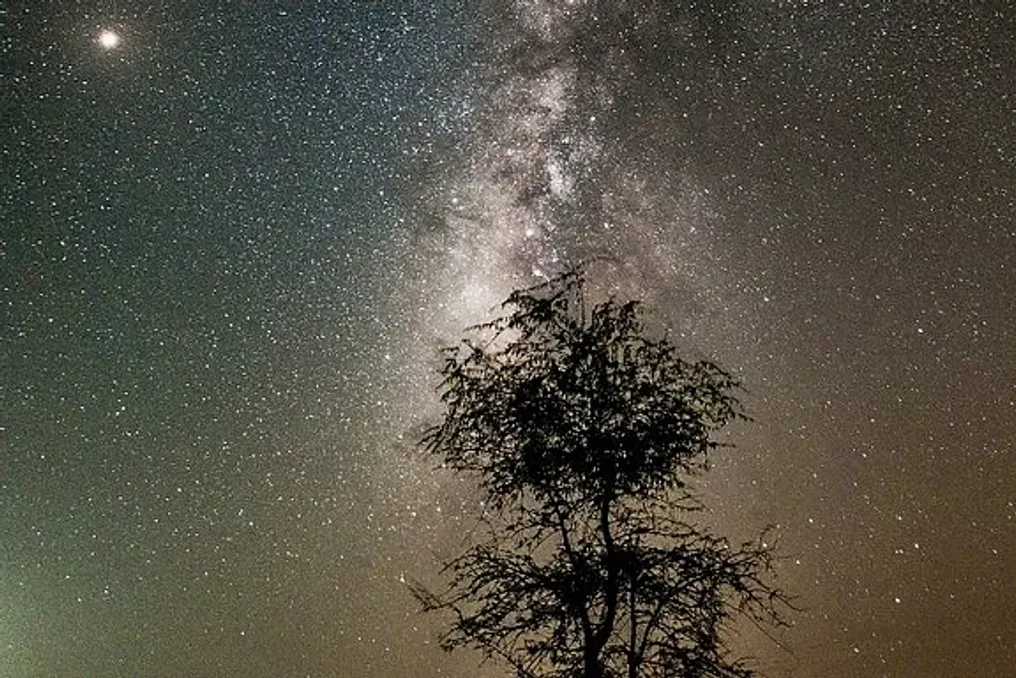
Ibrahim Al Jarwan, Chairman of the Board of Directors of the Emirates Astronomical Society and a member of the Arab Union of Astronomy and Space Sciences, told Khaleej Times that 'Jamrat Al Qayth' begins with the rising of the first stars of the Gemini constellation over the eastern horizon until dawn.
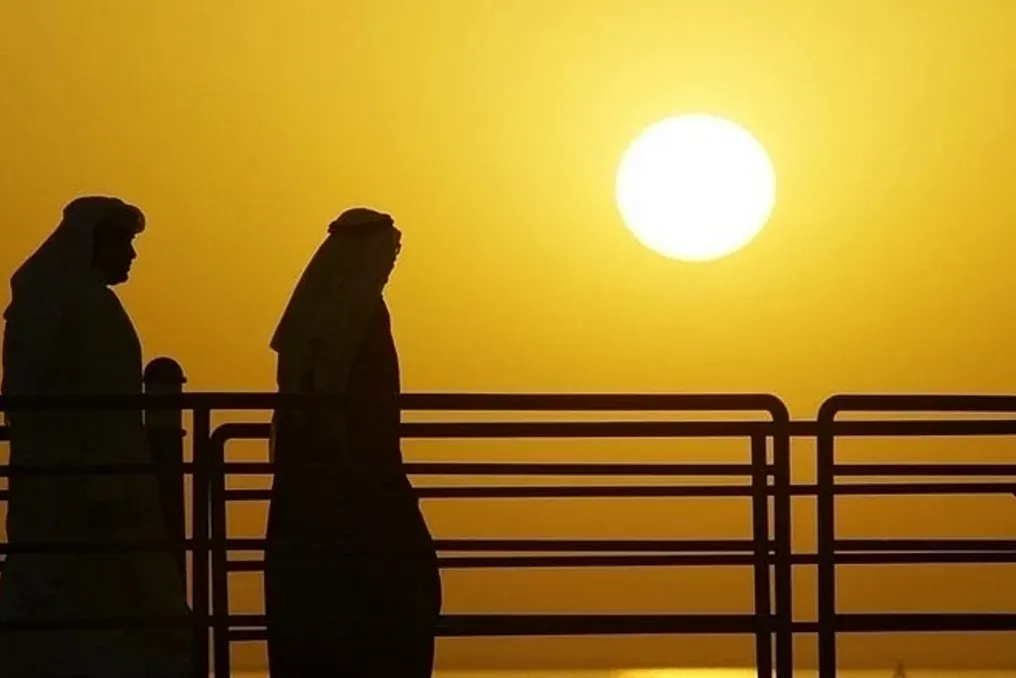
During this time, daytime temperatures in coastal areas usually range between 41°C and 43°C, while in inland and desert areas, temperatures often exceed 45°C and 46°C. During heatwaves, temperatures in some inland areas can reach over 50°C.
Phases of Traditional Summer
Al Jarwan explained that this 40-day period represents the culmination of the traditional summer season and is historically associated with the harshest heat conditions and the driest weather in the region. He specified that traditional summer on the Arabian Peninsula is divided into three stages. The first begins with the appearance of the Pleiades star cluster, the second and strongest stage is 'Jamrat Al Qayth', marked by the rising of the Gemini stars, and the final stage occurs with the appearance of the star Suhail, which brings a period of high humidity that locals call 'Kattat Al Suhail.'
Weather Phenomena and Solar Influence
He noted that 'Jamrat Al Qayth' is characterized by extreme heat, dryness, and the spread of hot, dry desert winds known as 'samum'. According to Al Jarwan, the frequency of heatwaves during this period varies from year to year, with some summers experiencing more intense thermal events than others. He added that temperatures exceeding seasonal averages by approximately four degrees are usually classified as heatwaves.
Furthermore, he drew attention to the effect of direct sunlight on exposed surfaces, pointing out that metal objects and vehicles left under the sun for extended periods can heat up to 70°C. At the end of the 'Jamrat Al Qayth' season, the increase in humidity coming from the Arabian Sea due to trade winds can enhance atmospheric uplift over the Hajar Mountains, contributing to the formation of convective clouds. This period is also associated with the occurrence of mirages, dust waves, and localized weather activity, especially in mountainous areas.