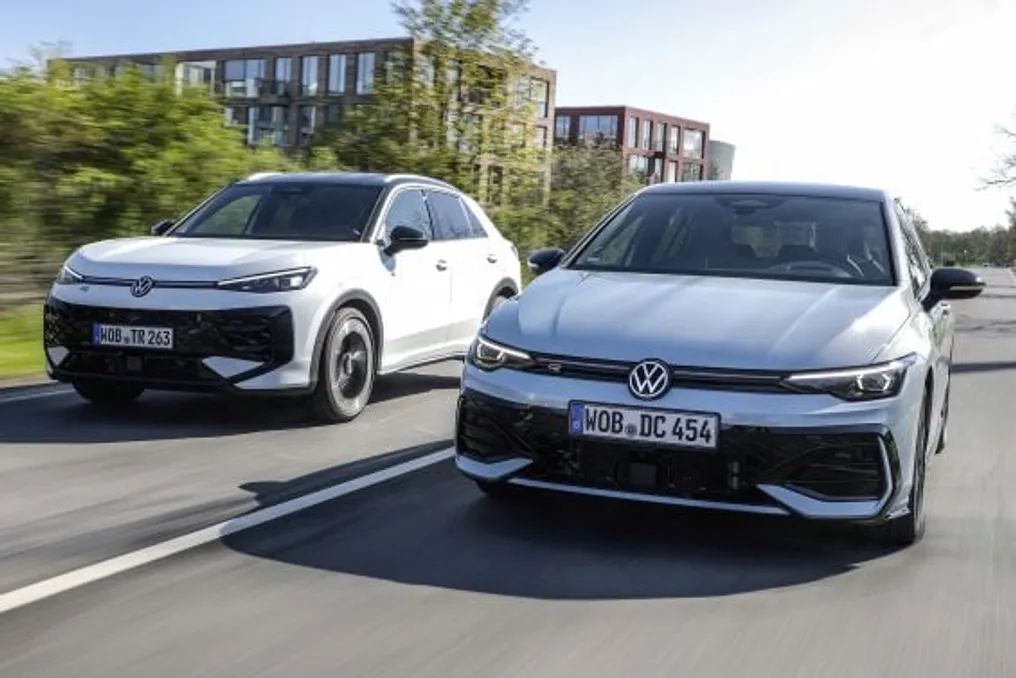
The Volkswagen Group has implemented a significant change in its global strategy, deciding to discontinue up to 50% of its model portfolio. This measure, which takes effect immediately, aims to optimize operations amid financial difficulties and declining market share. Additionally, the automaker intends to reduce customization options for remaining vehicles by up to 75%.
The justification for this restructuring lies in the need to concentrate efforts on products that generate higher value and, consequently, higher margins. Thus, the most attractive and popular segments will be prioritized, while less profitable niches will be abandoned due to the production complexity involved.
Currently, the conglomerate maintains approximately 150 model lines distributed across various brands, including VW, Audi, Skoda, Seat, Cupra, Porsche, Bentley, and Lamborghini. The company also plans to standardize its technological divisions—covering platforms, electronic architecture, and software—to serve both Western and Eastern markets, avoiding system duplication.
This strategic move is a direct reaction to increasing competition from Chinese manufacturers, tariffs imposed by the United States, and observed sales declines. In the second quarter, the group's global deliveries registered an 8.6% drop, the worst performance in four years, driven by a 36.6% contraction in China. The company's shares suffered losses exceeding 30% throughout 2026.
The package of changes, which includes 12 initiatives and sets goals for 2030, was presented to the supervisory board by CEO Oliver Blume amidst worker protests at factories located in Germany.
The effects of this change are already noticeable in the vehicle catalog. Models such as the Touareg and the Touran minivan have been discontinued, and the convertible T-Roc is scheduled to end its line in 2027. Audi is also following this trend, removing the A1 and Q2 from its catalog, after already ending iconic models like the TT and R8. At Porsche, the production of the combustion-engine 718 Boxster and Cayman has been halted.
In terms of capacity, the company aims to limit its annual production to around nine million units, compared to the approximately 12 million projected before the pandemic, representing a cut of two million units. According to publications such as Manager Magazin and Automotive News, this plan could lead to double the number of layoffs, reaching up to 100,000 jobs by 2030, and would involve closing four factories in Germany: Hannover, Zwickau, Emden, and the Audi plant in Neckarsulm. However, the group has not officially confirmed closures or cuts beyond the approximately 50,000 already agreed upon.
For the market, the magnitude of this shift is notable, especially considering that the company is known for having an extensive and multi-brand portfolio. However, the final outcome still depends on negotiations between shareholders, given that the group's control is held by the Porsche and Piëch families, while the IG Metall union and the state of Lower Saxony, also shareholders, are resisting the possibility of job losses.