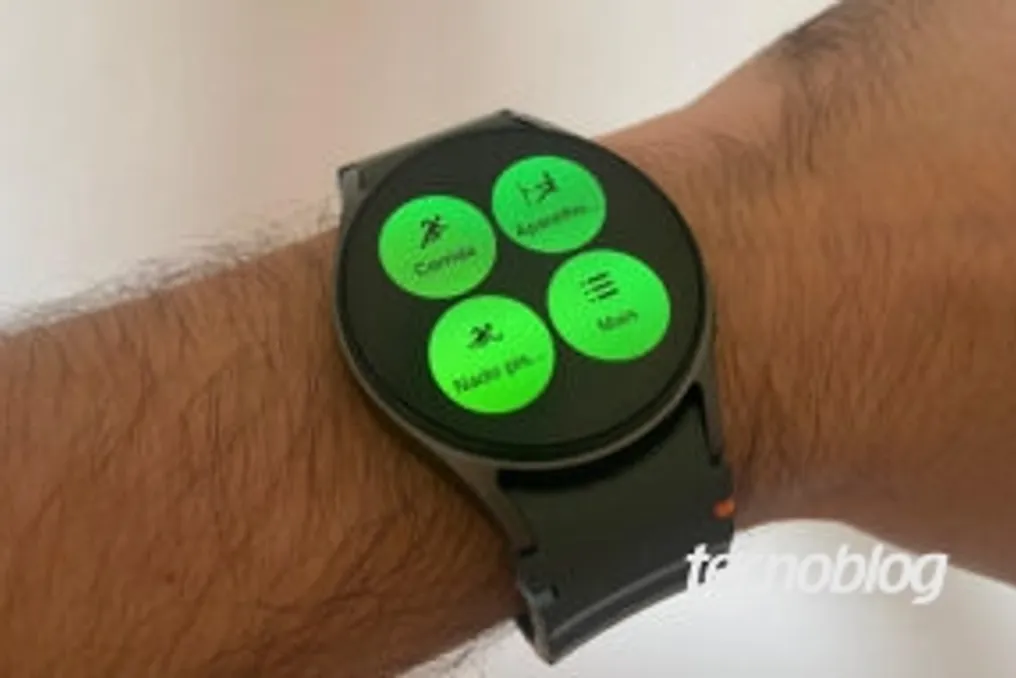
Samsung will implement the use of data collected by the Health application for the training of artificial intelligence. This change was communicated to users through a new consent notification.
Samsung will implement the use of data collected by the Health application for the training of artificial intelligence. This change was communicated to users through a new consent notification.
Although the company mentions the option to disable the sharing of this information for AI purposes, a warning informs that such deactivation will prevent the synchronization of the application's data with the user's account. Furthermore, according to the announcement, if sharing is interrupted, the user's profile may be deleted.
Samsung Health gathers various health information, both from other applications and directly from the Galaxy Watch, including activity logs, prescribed medications, and menstrual cycle details. The data to be shared for AI training includes health and wellness information (such as measurements, diet, and sleep), medications used, clinical records (such as test results and treatments), and menstrual cycle and heart rate data.
Samsung clarified that, in addition to use by AI, there is the possibility of human review of this data. However, detailed information has not yet been provided on exactly how this data will be applied or whether the company has permission to link the information to specific users.
This data collection may be related to recently announced functionalities, such as the 'insights' introduced in June during a major update to the Health app. These insights offer training suggestions and identify potential sleep problems. It is expected that this data will serve as a basis for new features planned for the Galaxy Watch 9, which is scheduled to be presented at Samsung's next Unpacked event on July 22.
Google users risk contributing, unknowingly, to the company's artificial intelligence training due to a recent update in privacy settings that has made the process clearer and more extensive.
As reported by TechCrunch, Google has begun incorporating new types of information into this training process, including multimedia content such as videos, audio, and images. This change was communicated to users via email in June and directly affects how activity history is managed across Google services.
The scope of this collection extends beyond traditional searches; any interaction within the Google ecosystem can feed the data stream intended for improving AI systems. Affected services include Google Lens (used for image, photo, and camera search), Google Maps and location tools, Google Translate, Google Shopping, and News, in addition to voice searches performed in the Google app.
To manage this situation, Google introduced two new control options: 'Search Services History' and 'Personalized Recommendations,' which determine how data will be stored and used to customize the user experience. A notable aspect is that the inclusion is not limited to simple texts or histories, but also encompasses photos, videos, and audio recordings.
A practical example is an image sent via Lens or a voice query, which can be saved and reused in AI development. TechCrunch points out that this trend reflects a larger movement in the sector, where corporations use real user data to power artificial intelligence models.
Despite the modification, Google maintained the available control functionalities, allowing users to adjust or disable parts of this usage directly in account settings. It is possible to define the data storage period and restrict the use of media for training purposes.
Recommended actions include: disabling the 'Save Media' option in search settings, which prevents the storage and use of photos, videos, and audio in AI training; adjusting 'Search Services History' to reduce the use of activities in system personalization and training; controlling the data retention time to limit the collected volume; managing 'Web & App Activity' separately; and disabling 'Personalized Recommendations' to prevent user behavior from influencing AI suggestions and improvements.
Additionally, Google restructured its settings, separating search history from other activities, which alters the dynamic of privacy control. Although the goal is to improve AI models with real usage data, there is a crucial point: many users may not notice this change. Data collection is not new, but it has become broader, more integrated into daily life, and simultaneously, less perceptible.