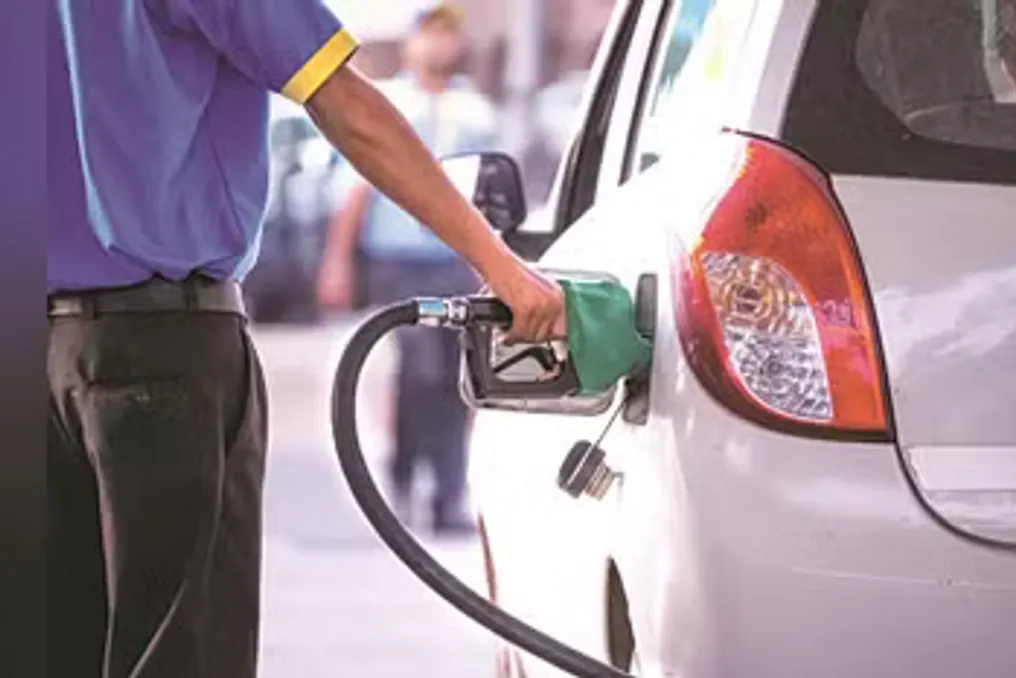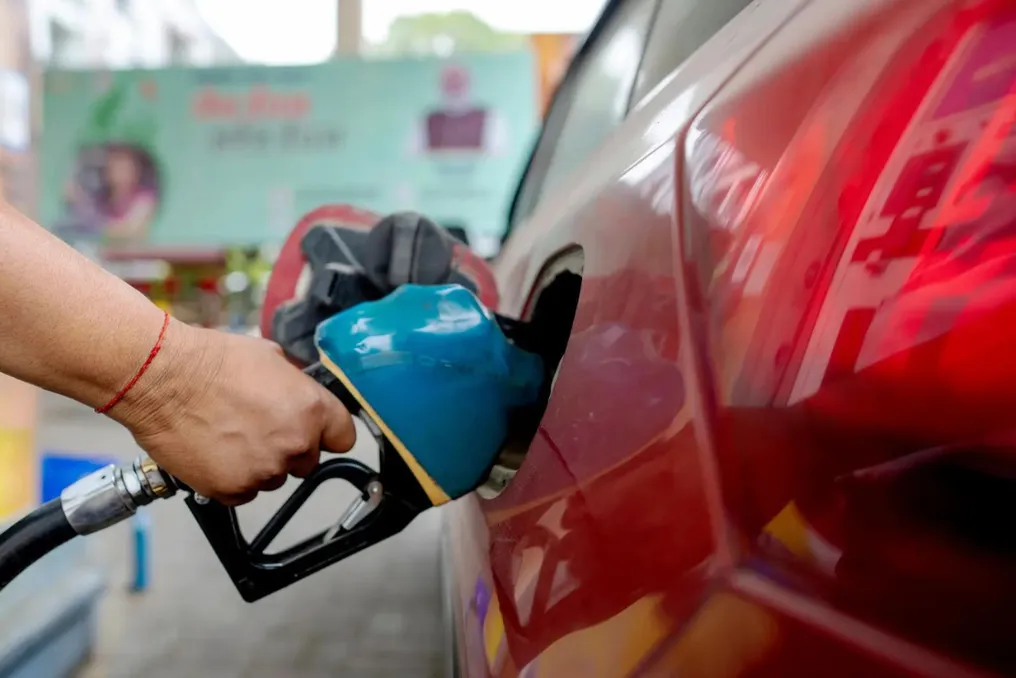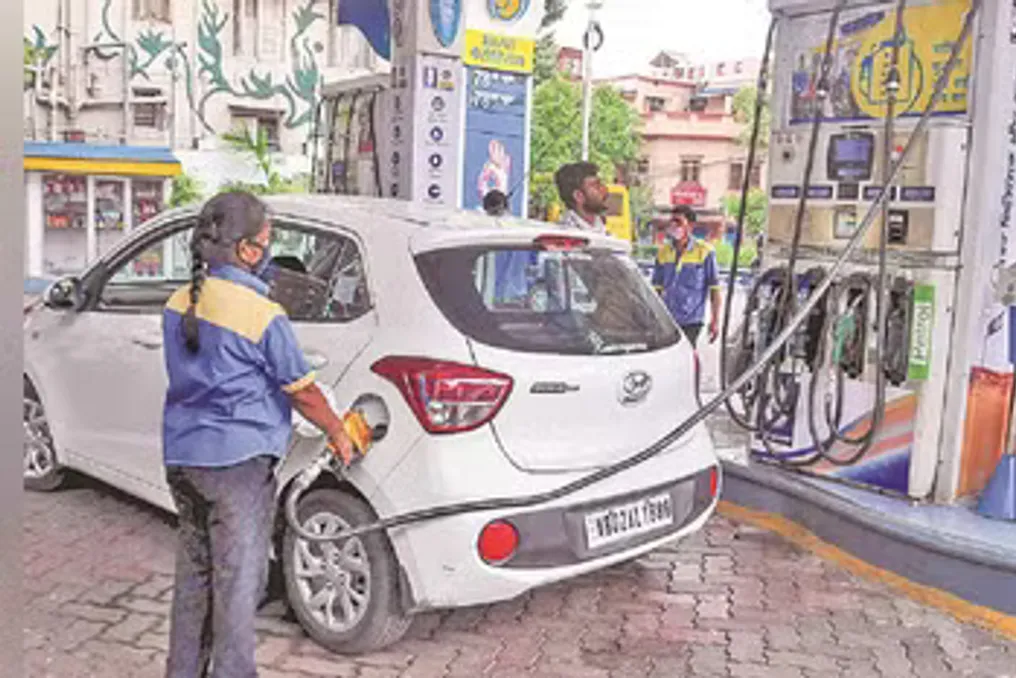
The government has rejected the idea of selling pure gasoline or a mixture with 10% ethanol (E10) alongside a 20% mixture (E20) at retail outlets. This decision was made against the backdrop of significant logistical difficulties and huge capital investments already made in the infrastructure for ethanol production and blending.
Logistical and Financial Aspects
The Ministry of Petroleum and Natural Gas (MoPNG) stated that maintaining several types of base gasoline across an extensive supply chain covering over one hundred thousand retail points, networks of refineries, terminals, warehouses, and pipelines would create colossal logistical problems. Furthermore, it would increase processing costs, complicate inventory management, and reduce overall operational efficiency.
In recent years, state-owned banks have financed approximately 1 lakh crore rupees annually for investments in ethanol production and related infrastructure. Specialized ethanol production units, distilleries, storage facilities, and logistics networks have been established to meet India's blending targets.
Risks of Program Cancellation
The Ministry emphasized that if the return to E10 were arbitrarily made after this production capacity has been established, it would jeopardize all made investments and excess production capacity. Investments made by farmers, cooperatives, entrepreneurs, financial institutions, and public sector undertakings based on national policy would also suffer.
Advantages of E20 and Expert Opinion
Acknowledging that blending ethanol with gasoline at a ratio of 20% leads to a 3–5% reduction in fuel consumption compared to regular gasoline, the ministry noted that this mixture possesses a significantly higher octane rating, superior anti-knock properties, faster combustion, better dynamics, smoother acceleration, and cleaner engine operation.
Defending the adoption of E20, the ministry insists that once excellent fuel has been scientifically proven, thoroughly tested, and accepted by the automotive industry, the focus should be on promoting its use rather than reverting to a lower quality standard. Experts point out that E20 was introduced following research conducted by the Niti Aayog public analytical center, the Society of Indian Automobile Manufacturers (SIAM), and other organizations.
Prashant Vaishisht, Vice President and Co-Head of Corporate Ratings at ICRA, noted that while testing reports mentioned fuel consumption reduction, India imports nearly 90% of its crude oil, whereas ethanol is produced domestically, making the blending program a step towards self-sufficiency.
Automotive Industry Stance and Economic Benefits
Top automotive industry executives assert that vehicles have undergone rigorous testing and certification by independent, internationally accredited agencies both before and after E20 was launched on the market. Vikram Gulati, Country Head and Executive Vice President of Toyota Kirloskar Motor, stated at a press conference on July 4th that the decision to introduce E20 was made only after stringent tests on older models, and the recently launched E85 dispensing stations are exclusively for flex-fuel vehicles, signaling the direction of future policy.
The government also reported that ethanol blended with gasoline is not more expensive than pure gasoline, despite local ethanol production, because high prices for ethanol are set to ensure fair returns to producers. The Ministry clarified that the procurement price for corn-based ethanol is 71.86 rupees per liter, and with an international crude oil price of about $70 per barrel, E20 is more expensive to produce than pure gasoline.
Despite the higher cost, domestic ethanol production reduces India's dependence on imported crude oil and shields the country from fluctuations in global oil prices. When crude oil prices exceeded $100 per barrel amid the crisis in West Asia, India demonstrated one of the most moderate increases in retail fuel prices thanks to ethanol.
As a result of the ethanol blending program, India has saved over 1.97 lakh crore rupees in foreign currency, replaced almost 316 lakh metric tons of crude oil, reduced CO2 emissions by approximately 952 lakh metric tons, and transferred over 1.66 lakh crore rupees directly to Indian farmers.
Addressing Consumer Concerns
In response to concerns about vehicle damage, the government cited data from Maruti Suzuki, according to which the automaker serviced about 2.5 crore vehicles, including approximately 1.5 crore older models that were not initially certified as compatible with E20. It was argued that if E20 caused damage to rubber components, fuel lines, or engines, it would lead to mass component failures, hundreds of thousands of warranty claims, and a surge in consumer complaints nationwide.