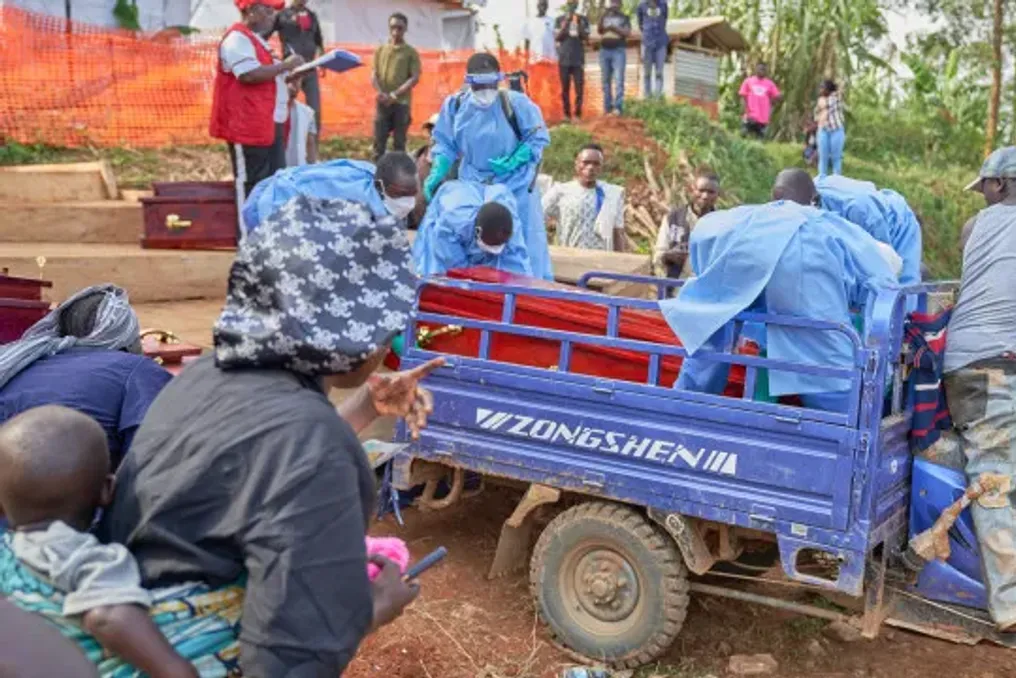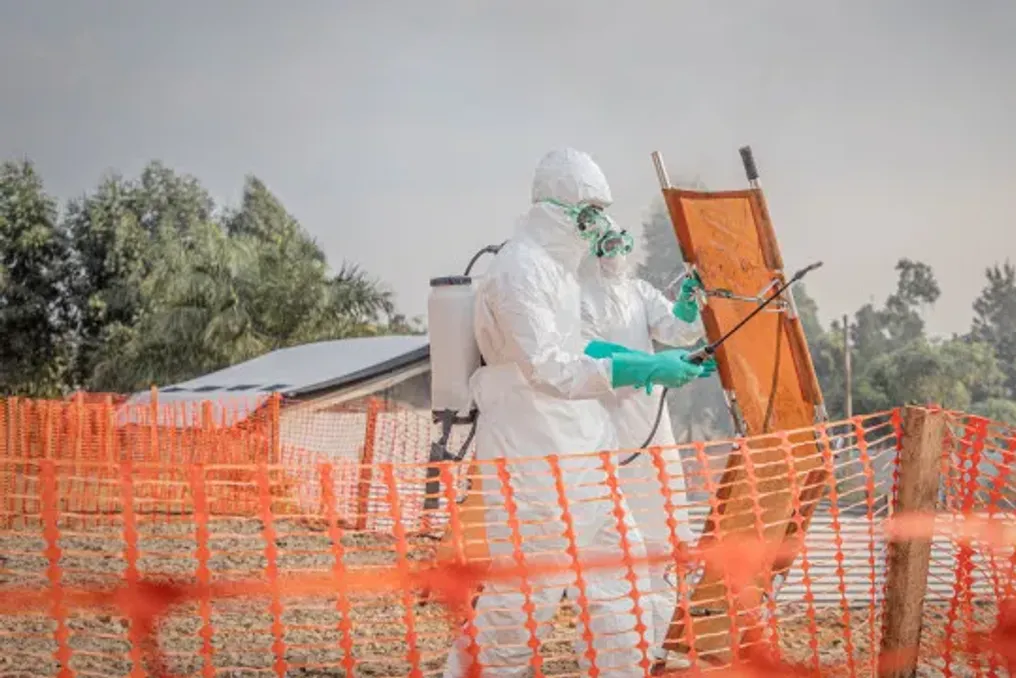
The director of the United Nations Children's Fund (UNICEF) for West and Central Africa, Gilles Fagninou, warned about the rapid development and spread of the Ebola virus during a mission in Ituri, a northeastern province of Congo considered the epicenter of the crisis.
Health Challenges in the Region
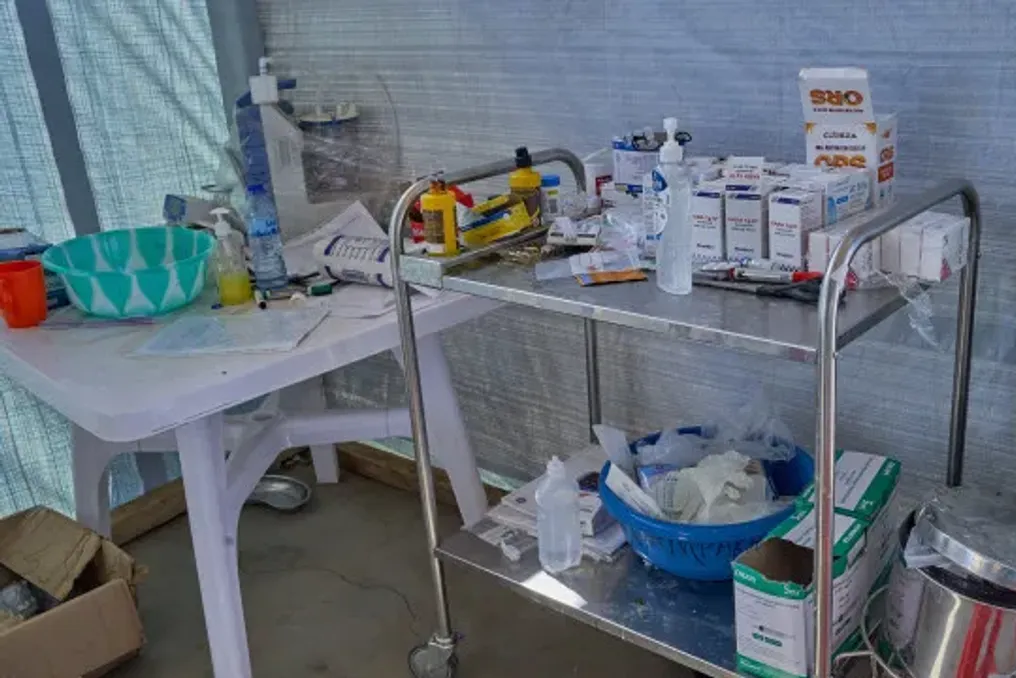
Fagninou emphasized that the epidemic is occurring in an area already affected by various other health problems, including issues related to cholera, polio, and basic difficulties, such as women's access to maternity services for childbirth.
Due to the generalized scarcity of resources in health infrastructure, although it is necessary to intensify the response to Ebola, the effort must be maintained simultaneously on all other health concerns, argued the director.
Impact on Health Services
As an example, the UNICEF representative reported that before the outbreak, health units in Ituri registered approximately 130 monthly births, a number that has drastically fallen to only 30 births per month currently.
He also mentioned the existence of a crisis of trust between communities and health centers, stressing that despite the need to focus on Ebola, traditional diseases continue to cause child deaths.
Epidemic Details
The Democratic Republic of Congo declared its seventeenth Ebola epidemic on May 15. This new occurrence is caused by the Bundibugyo virus, for which there are still no established vaccines or treatments, although a clinical trial for two treatments has recently begun.
Epidemiologists and humanitarian professionals fear that the crisis could last for several months, given the difficulty in determining the true scale of the epidemic. According to the latest official report from Congolese health authorities, released on Thursday, the disease has already infected 1,792 people and resulted in 625 deaths.