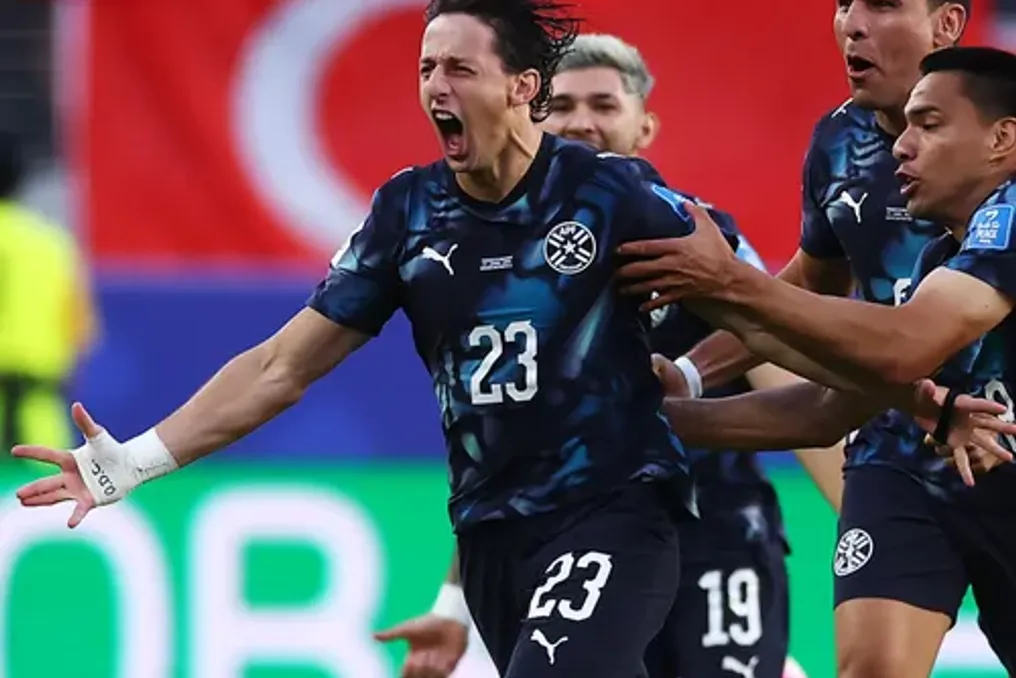
The 2026 FIFA World Cup has shown dramatic results in the knockout stages, including unexpected exits and decisive penalty shootouts. During this tournament, Paraguay became a sensation for Germany, Morocco defeated the Netherlands in a penalty shootout, and Brazil beat Japan in the Round of 32.
Shift in Tournament Structure
For many decades, the World Cup reinforced the established hierarchy in football. Although rare upsets always attracted attention to the tournament, traditionally, the sport's superpowers restored order after reaching the playoffs. However, the current World Cup presents a different picture.
Even if the giants remain favorites for the trophy, advancing to the later stages is becoming an increasingly difficult process. Now, every match in the playoffs carries a real threat that an established nation could be eliminated by a team previously considered an underdog.
Upsets in the First Stage
Morocco's victory over the Netherlands in a penalty shootout and Germany's defeat by Paraguay were among the biggest shocks in the Round of 32, but they were not isolated incidents. Two teams with rich football traditions and high ambitions were forced to leave the tournament much earlier than expected, highlighting the severity of this competition.
Even when favorites advance, they rarely enjoy peace. England was heavily beaten by the Democratic Republic of Congo before winning 2-1. Belgium managed to pass a tense 3-2 match against Senegal, and Brazil had to put in significant effort to beat Japan by the same score.
Reasons for the Shift in Football
Perhaps the most significant change is that what surprises now is not the inability of so-called 'minors' to compete with football heavyweights. Instead, every playoff match is viewed as a genuine contest, regardless of pedigree or world ranking, as traditional powers increasingly realize that complacency can be fatal.
These changes are not caused by just a few memorable results. The globalization of football has gradually narrowed the gap between the elite and the rest of the teams. Players from countries previously considered secondary now regularly play in major European leagues, gaining invaluable experience facing world-class players every week.
Improvements in coaching standards, tactical sophistication, sports science, and player development have also significantly improved across all continents. As a result, traditional powers can no longer rely solely on talent superiority to suppress opponents. Organization, athleticism, and tactical discipline have become powerful leveling factors, and the expanded World Cup with 48 teams has given more nations the opportunity to gain valuable tournament experience and, more importantly, real self-confidence.
Consequences for the Playoffs
The ripple effects are already being felt in the playoff bracket. Germany's early exit gave France an unexpected match against a motivated Paraguayan side in the Round of 16, and Morocco's victory over the Netherlands guarantees that either Atlas Lions or Canada will reach the quarterfinals.
Even more surprises may await as the remaining Round of 32 matches conclude, when tournament debutants Cape Verde attempt what might be the biggest upset by facing reigning champions Argentina on Friday. While it remains unknown whether another giant will fall, this World Cup has already changed the mentality of both favorites and underdogs. Big names will likely still contend for the final, but they can no longer count on a safe passage through the playoff rounds. The old order in football has not been destroyed, but it has rarely looked so vulnerable.