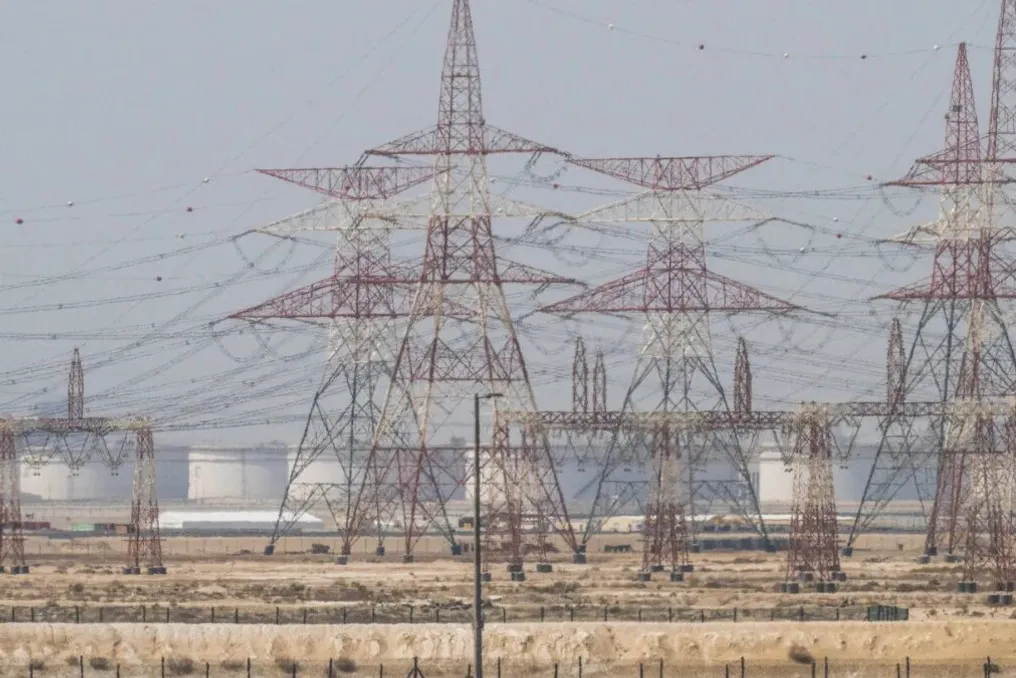
Thanks to the reduction in tensions in the Middle East, oil and gas-laden vessels have begun passing through the Strait of Hormuz without hindrance, supplying a significant portion of global energy demand. Consequently, there is a steady decline in crude oil prices on the international market. On Monday, the price of Brent Crude fell below the $72 per barrel mark.
Crude Oil Price Dynamics
The decline in crude oil prices continues on the global market. By the time of publication, the price of Brent Crude had fallen further, trading around $71 per barrel. Meanwhile, WTI Crude Oil Price dropped to $68 per barrel, while the price of Marban Crude Oil showed a slight increase, trading around $66 per barrel.
Reduction in Crisis Risks and New Prospects
Positive signals regarding a peace agreement between the US and Iran, as well as the holding of meetings, have helped the energy crisis affecting many countries, including Pakistan, India, Bangladesh, and the UK, begin to subside. Since the Strait of Hormuz remains open and tankers continue to move, the supply chain for oil and gas is recovering. Although the situation level is still below pre-war levels, this is putting downward pressure on crude oil prices, causing them to fall.
OPEC+ Countries' Decision
In parallel, OPEC+ countries made an important decision regarding the oil industry. Seven OPEC+ member countries agreed to increase oil production starting next month. According to the report, an additional production of 188 thousand barrels of crude oil per day was approved under the leadership of Saudi Arabia and Russia. This means that the market will receive sufficient oil supplies in the future. The agreement to increase production has been reached for the fifth consecutive month.
Reasons for Disagreements and a United Front
Previously, there were serious disagreements among OPEC+ countries regarding production quotas, market share, and oil prices. Some states insisted on limiting production to maintain prices, while others focused on increasing output to boost revenues. However, after these disputes, the OPEC+ countries, including Saudi Arabia, Russia, Iraq, Kuwait, Kazakhstan, Algeria, and Oman, unanimously decided to raise production on Sunday.
Implications for Consumers
If crude oil production increases by 188 thousand barrels per day according to the producers' agreement, this will undoubtedly increase downward pressure on crude oil prices, potentially leading to further declines. Such price drops will bring relief to import-dependent countries like India, as the cost for OMC companies will decrease, also raising hopes for cheaper gasoline and diesel fuel. Nevertheless, it is premature to speak of an immediate price drop, as the final fuel cost in the country depends on multiple factors: rupee fluctuations against the dollar, refining costs, transportation expenses, and local VAT taxes.
Energy Minister's Comments
Amid significant losses for state oil companies due to Middle East tensions, gasoline and diesel prices in India were increased by approximately 7 rupees per liter over four consecutive periods. Now that the Strait of Hormuz is open and crude oil is becoming cheaper, Energy Minister Hardeep Singh Puri provided clarification regarding potential price reductions. He noted that shares of private companies and OMCs were acquired two to two and a half months ago when crude oil prices were higher. He emphasized that the situation will become clear in the foreseeable future if prices remain at the current level, and he considers making assumptions inappropriate.