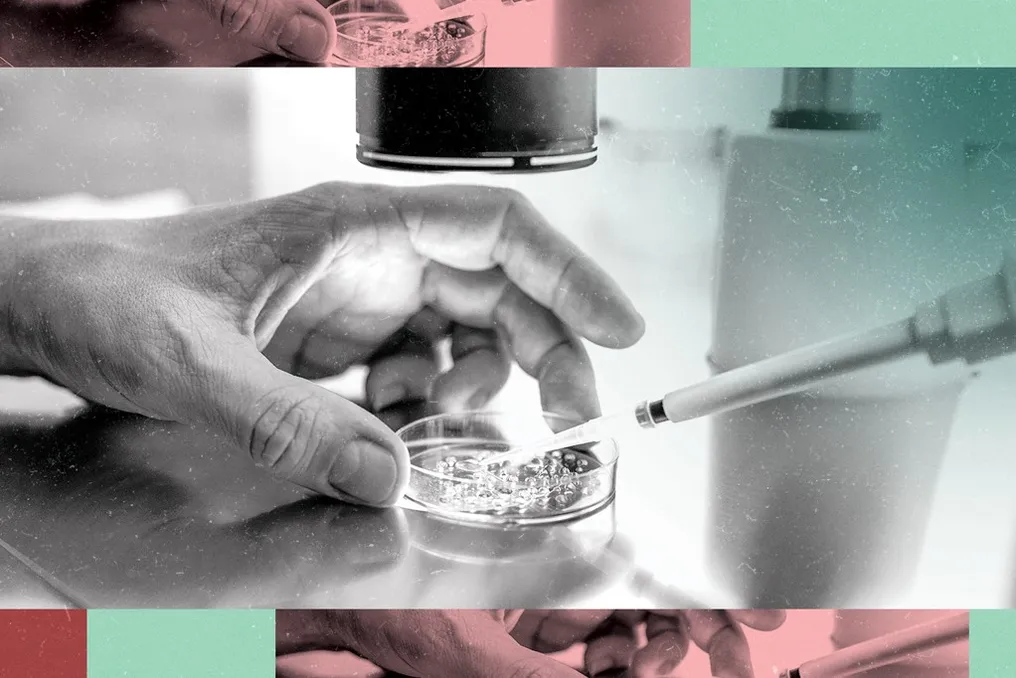
A group of scientists led by geneticist Dieter Egli from Columbia University in New York has published a study presenting a new method for editing the DNA of human embryos. This technique is called base editing.
A group of scientists led by geneticist Dieter Egli from Columbia University in New York has published a study presenting a new method for editing the DNA of human embryos. This technique is called base editing.
Base editing is based on introducing a specially engineered protein into embryos that is capable of replacing adenine (A), one of the four genetic 'letters', with guanine (G). A small RNA fragment is used along with this protein to serve as a guide, delivering the protein to the target genes for modification.
The scientists applied the new method to modify the PCSK9 and HBG genes, which are associated with heart problems and thalassemia—a blood disorder causing anemia. This approach is significantly more accurate and presumably safer than the currently widely used CRISPR technique.
Previous experiments have shown that CRISPR can alter genes beyond the target site and lead to chromosomal damage, making it unreliable for use with human DNA. In 2018, Chinese scientist He Jiankui announced that he had used CRISPR to edit the genetic code of two embryos, which were subsequently carried to term and gave birth to children, after which he was sentenced to three years in prison.
Many people are accustomed to throwing their favorite jeans into the washing machine after every use; however, this approach can unintentionally damage the fabric and the unique appearance of expensive denim. Fashion experts and denim manufacturers assert that jeans do not require washing after every wear, but rather need to adhere to specific rules to maintain their shape, color, and quality over a long period. Proper denim care not only supports your style but is also a more eco-friendly choice.
According to Levi's recommendations, jeans should only be washed when they become excessively dirty or start to smell unpleasant. It is recommended to wear jeans about 10 times before sending them to the wash. Frequent washing leads to fading of the original color and the destruction of natural creases or fading patterns that give jeans their unique look.
If machine washing is unavoidable, there are certain precautions that can help keep jeans in good condition. Firstly, always wash jeans inside out. This protects the outer fabric from direct contact with detergent and friction. Secondly, according to studies, jeans should be washed exclusively in cold water, as hot water can not only shrink denim but also accelerate color loss.
It is also advisable to use the 'delicate' or 'gentle' cycle on the machine. It is important to avoid using a dryer, as high heat is the main enemy of denim, weakening the fabric fibers and contributing to quick tearing. The best drying method is air drying. Instead of drying in direct sunlight, jeans should be hung in a shady and well-ventilated place to preserve their color.
If jeans have a slight odor, instead of immediate washing, they should simply be hung outdoors for a few hours, which will prevent bacterial growth. When stains appear, it is best to perform spot cleaning rather than washing the entire pair. It is enough to gently rub only the soiled area with a soft cloth or an old toothbrush. It should be remembered that fewer washes ensure a better fit and a longer lifespan for the jeans.