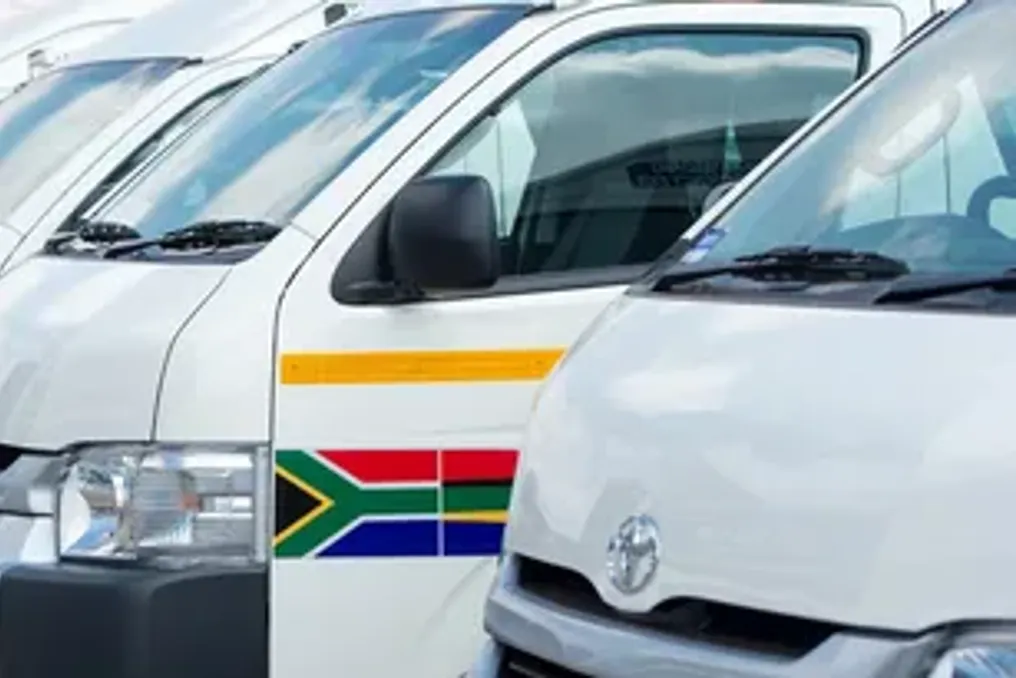
The South African National Taxi Council (SANTACO) has once again expressed concern over the increase in illegal seven-seater vehicles being used as public transport.
The South African National Taxi Council (SANTACO) has once again expressed concern over the increase in illegal seven-seater vehicles being used as public transport.
The organization raised this issue during a meeting with representatives from the North West province, including Premier Lazarus Mokgosi, Executive Committee member for Public Safety and Transport Wesels Morwenga, and provincial transport officials. A number of difficulties facing the taxi industry were discussed during this meeting.
SANTACO stated that 'the proliferation of illegally operating seven-seater vehicles remains a serious problem not only in the North West province but across the country.'
Last year, the publication IOL reported that SANTACO had warned about the rise of illegal shuttle services using seven-seater cars, pointing to their unsafety and the fact that they are taking business away from licensed taxi operators.
Last year, speaking at a press briefing alongside Transport Minister Barbara Crisi, then-SANTACO president Motlabaane Tsebe noted that unregulated shuttles in seven-seater cars, often booked through apps like WhatsApp, pose serious safety threats and undermine the formal taxi industry.
Tsebe expressed deep concern over the rapid growth of illegal seven-seater vehicles operating as shuttles, especially on long routes. He added that while they previously offered e-hailing services, other unregulated operations using WhatsApp have now emerged, posing serious risks to passenger safety and being linked to illegal and criminal activities.
He called on law enforcement agencies and transport departments to take immediate action to curb these illegal services, ensure passenger safety, and guarantee that licensed taxi operators can work fairly and safely. Tsebe emphasized that unregulated vehicles not only endanger road safety but also hinder the development of a professional and lawful taxi industry. He concluded that this problem must be addressed because the growth of such vehicles creates a serious risk and undermines a fair transport environment, a risk that could escalate into tragic acts of violence, which must be prevented before they become widespread.