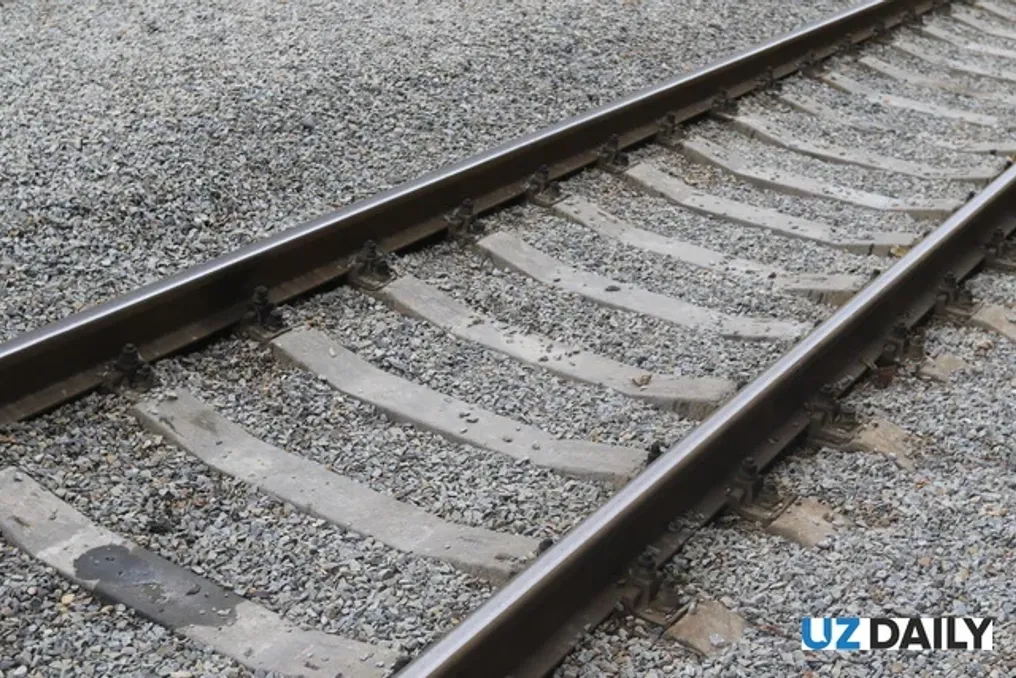
Representatives from Kyrgyzstan and China discussed the progress of the China-Kyrgyzstan-Uzbekistan railway project, noting that the construction of the main line has entered an active stage.
Representatives from Kyrgyzstan and China discussed the progress of the China-Kyrgyzstan-Uzbekistan railway project, noting that the construction of the main line has entered an active stage.
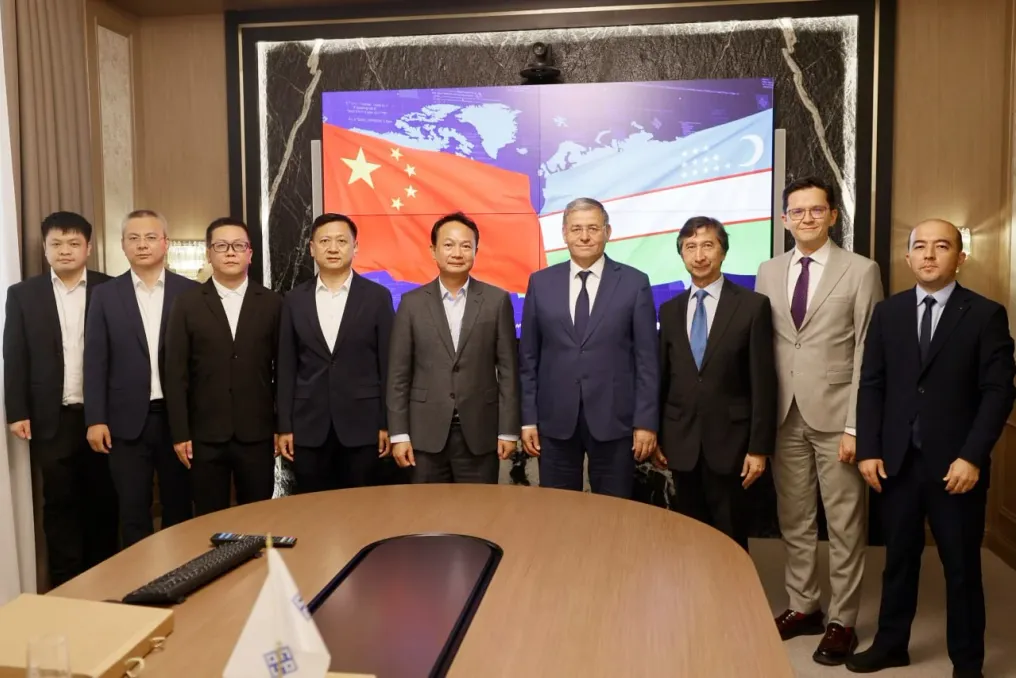
The meeting took place on July 10, 2026, at the Ministry of Transport and Communications of Kyrgyzstan. The event was attended by Deputy Minister Almaz Turgunbaev and a delegation from China State Railway Group led by board member Wang Jinsi.
The parties reported that the main international and investment agreements for the project have already been concluded, the general contractor has been determined, and financing issues have been settled. Currently, work is underway to build tunnels, bridges, and other railway infrastructure.
The Kyrgyz side emphasized the need to maximize the involvement of local labor resources, use construction materials and equipment of domestic production, as well as comply with environmental standards and measures to preserve historical and cultural heritage.
Negotiators paid special attention to ensuring the transparency of construction work and preventing corruption risks. After the meeting, the parties confirmed their readiness to continue joint work to accelerate the implementation of the project and ensure the timely commissioning of the railway.
As noted during the negotiations, the construction of the China-Kyrgyzstan-Uzbekistan railway is considered a significant project for expanding Kyrgyzstan's transport and logistics capabilities, developing new economic ties, and strengthening the country's transit potential.
Heads of the customs services of Uzbekistan and Kazakhstan inspected the modernization works at the border points Gishhtkuprik and Zibek Zoly. It is planned that both facilities will be put into operation simultaneously this autumn.
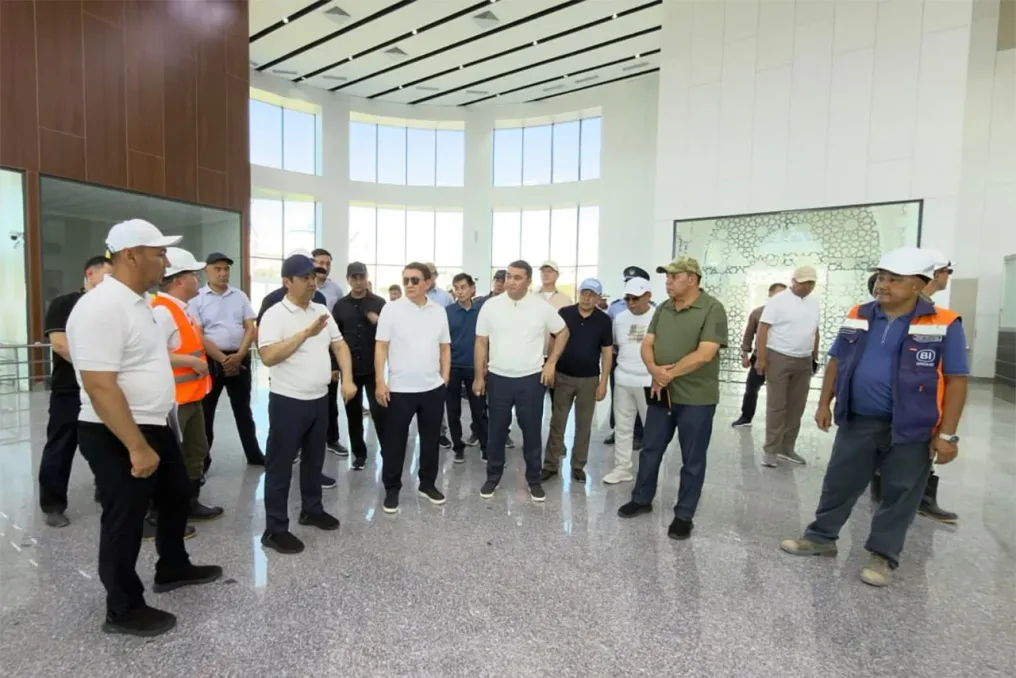
Gayrat Nasirov, First Deputy Chairman of the Customs Committee of Uzbekistan, and Zhandos Dusembiev, Chairman of the State Revenue Committee of Kazakhstan, visited the completely reconstructed Gishhtkuprik customs post on the Uzbek-Kazakh border.
The modernization is being carried out as part of reforms initiated by the President of Uzbekistan. The goal of these reforms is to bring the border infrastructure in line with modern standards, increase throughput capacity, and reduce the influence of human error. The Gishhtkuprik customs post has been completely rebuilt.
The new intelligent customs complex is equipped with advanced communication and information systems, automated control systems, high-precision scanning installations, and risk analysis mechanisms. This allows for increased efficiency in checking citizens, vehicles, and goods crossing the state border.
During the visit, representatives of the two countries also familiarized themselves with the construction of the new Zibek Zoly customs post in Kazakhstan.
The parties emphasized the importance of further developing practical interaction between the customs services of the two states. They discussed expanding the exchange of information on goods and transport moving across the border, as well as implementing joint projects for introducing modern information technologies.
According to the meeting participants, commissioning the updated checkpoints will accelerate trade and logistics processes between Uzbekistan and Kazakhstan, as well as improve comfort and speed for citizens when crossing the state border.
In Tashkent, Uzbekistan, a meeting took place between representatives of the Chamber of Commerce and Industry of Uzbekistan and a delegation from the People's Government of the Chinese city of Zhongshan. The parties discussed opportunities to deepen trade, economic, and investment interaction.
The Uzbek side of the negotiations was represented by Davronbek Kurbanov, First Deputy Chairman of the Chamber of Commerce and Industry, as well as advisors to the Chairman of the Chamber, Alisher Shaykhov and Jamil Maksudi. It was noted that Zhongshan, located in Guangdong Province, is one of China's largest industrial and export centers.
The city specializes in the production of electrical equipment, household appliances, furniture, textiles, and high-tech goods. Special attention was paid to Guzhen, which is part of Zhongshan and is known as the 'Capital of Lighting in China,' supplying about 70% of the country's domestic market with lighting equipment. Products manufactured there are exported to more than 140 countries and regions worldwide.
Participants exchanged views on measures aimed at increasing mutual trade, attracting investments, stimulating exports, developing interregional partnership, and strengthening direct ties between entrepreneurs. Furthermore, they discussed developing industrial cooperation, implementing joint investment projects, organizing business missions and exhibitions, and expanding practical interaction between the business communities of Uzbekistan and China.
At the conclusion of the meetings, both sides confirmed their readiness to continue developing cooperation, implementing promising joint projects, and elevating the interaction between the business circles of Uzbekistan and Zhongshan to a new level.
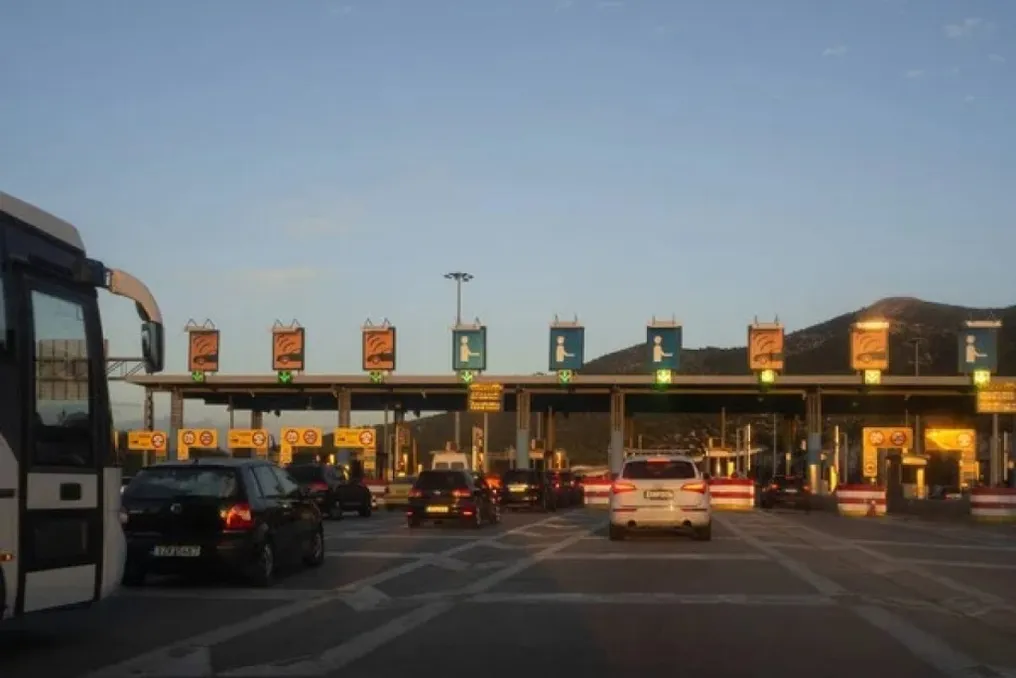
The border between Uzbekistan and Kazakhstan will become more accessible due to the transition of several road border crossings to a 24-hour operating mode.
This change resulted from the ratification of amendments to the agreement regulating the operation of border crossings between the two countries. According to the new document, some road control points will change their status from bilateral to multilateral.
These points will now be able to accommodate not only citizens of Uzbekistan and Kazakhstan but also international carriers and foreign tourists. Furthermore, they will cease to operate on a set daytime schedule and switch to round-the-clock service.
Kazakhstan's Minister of Transport, Nurlan Sauranbayev, emphasized that this innovation is capable of increasing throughput, making the border crossing process more convenient for passengers, and stimulating the development of tourism and transit transport between the two states. It was also noted that implementing these measures will not require additional funds from the state budget.
Previously, the Senate of Kazakhstan approved an agreement with Uzbekistan regarding the state border regime, thereby establishing unified and transparent rules for interaction along this important section of the regional frontier.