Cape Town's LGBTQ+ nightlife has received international recognition after two local establishments were included in Time Out's prestigious global ranking as some of the world's greatest queer venues.
Cape Town has long established itself as one of the world's most welcoming tourist destinations, but its queer nightlife often remained less highlighted on the international stage compared to its beaches, wineries, and restaurants. This situation changed this week when Time Out released its first ranking of the greatest queer spaces, featuring two local clubs.
Selection and Significance of the Ranking
The list focuses on places that have become true community hubs, rather than just popular spots for recreation. Among the selected venues are Café Manhattan and The Pink Candy Nightclub, both located in De Waterkant, an area long considered the center of Cape Town's LGBTQ+ social life.
For Cape Town itself, this recognition is significant because it places local venues alongside renowned queer institutions in cities like London, Tokyo, and Portland. It highlights a part of the city's cultural life that has been developing over decades, not through advertising campaigns.
Historical Heritage of Café Manhattan
Few establishments in South Africa can boast historical significance comparable to Café Manhattan. Opened in 1994, it is widely recognized as the oldest queer bar in Africa and has maintained its presence amidst major social and political changes.
The relevance of this place is not only due to nostalgia. During the day, the terrace serves as a meeting point for locals and visitors, where they gather for food and drinks. After dark, the venue transforms into a more vibrant social space, offering themed events, quizzes featuring drag performers, and late-night patrons heading out onto Waterkant Street.
The Energy of The Pink Candy Nightclub
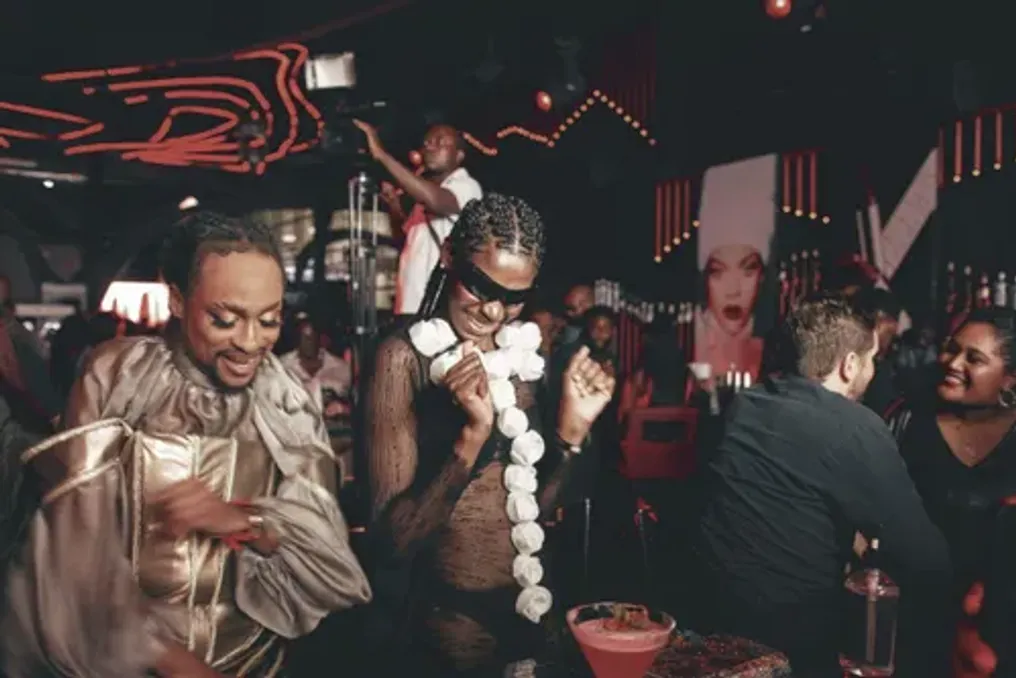
Unlike Café Manhattan, which offers history and a familiar atmosphere, The Pink Candy Nightclub is built around energy. This club is known for its packed dance floors, drag artist performances, and a constant stream of local and international DJs.
It occupies a different niche in the nightlife ecosystem. Visitors rarely come here just to have a quiet drink; they come for the music, the shows, and the feeling that the night can easily continue until dawn. It is this atmosphere that helped it make the list, which recognizes venues capable of creating unforgettable experiences, not just attracting large crowds.
Significance of International Recognition
International rankings can sometimes seem detached from local reality. In this case, the selection reflects what many Cape Town residents have known for years: the city's queer venues have formed strong communities, possess unique individuality, and have a sense of continuity that extends beyond weekend entertainment.
For travelers, this list serves as a useful guide to places that have become part of Cape Town's cultural identity. For locals, it is recognition for venues that provided connection, celebration, and visibility long before global publications started paying attention to them. For the Mother City, it is another chapter in its growing international reputation, built not only on landscapes and tourism but also on the people and communities that give the city its character.