Norway, known for its majestic natural landscapes and phenomena such as the 'midnight sun,' is attracting increasing global attention. This interest has been amplified by the success of footballers like Erling Haaland and Martin Odegaard at the World Cup, although the tournament ended in a bitter defeat for Brazil.
Similar stories
Popular
Climate and Summer Season
The Scandinavian country is famous for harsh winters, when temperatures in some areas can drop to minus 30°C. However, in the summer, from June to September, the climate becomes significantly milder, which is ideal for outdoor active recreation, despite higher tourism prices.
The average temperature in the summer months ranges from 15°C to 25°C, which is a relief compared to winter frosts. In some places, daytime temperatures can reach 30°C, but nights can be quite cool. Since Norway is in the land of Thor, the god of thunder and lightning, rain is also part of the summer, and visitors are advised to be prepared for rapidly changing weather.
Active Recreation and Nature
Hiking and trekking are popular, as Norwegians traditionally value life in nature, known as friluftsliv. The presence of forests and picturesque views invite enjoyment. Furthermore, the length of daylight increases in the summer, depending on latitude.
The Midnight Sun Phenomenon
The closer one gets to the North Pole, the longer the day lasts. In the northernmost points of Norway, such as the Lofoten Islands or the city of Tromsø, the sun barely sets during the summer. During this period, the region is illuminated around the clock, which can last for weeks. This phenomenon is due to the tilt of the Earth's axis relative to the plane of its orbit around the Sun, causing areas within the Arctic Circle to receive continuous sunlight.
Main Tourist Destinations
In addition to watching the midnight sun, tourists have a wide range of activities available. One of the main destinations for summer visitors is the fjords—rocky valleys formed by ancient glaciers that create vast navigable waterways connected to the sea. Visiting the fjords allows one to see impressive landscapes with cliffs and waterfalls. Among the most significant places are Bergen, Flåm, and Geiranger. These locations can be explored by boat, panoramic train, or car.
The City of Bergen and Surroundings
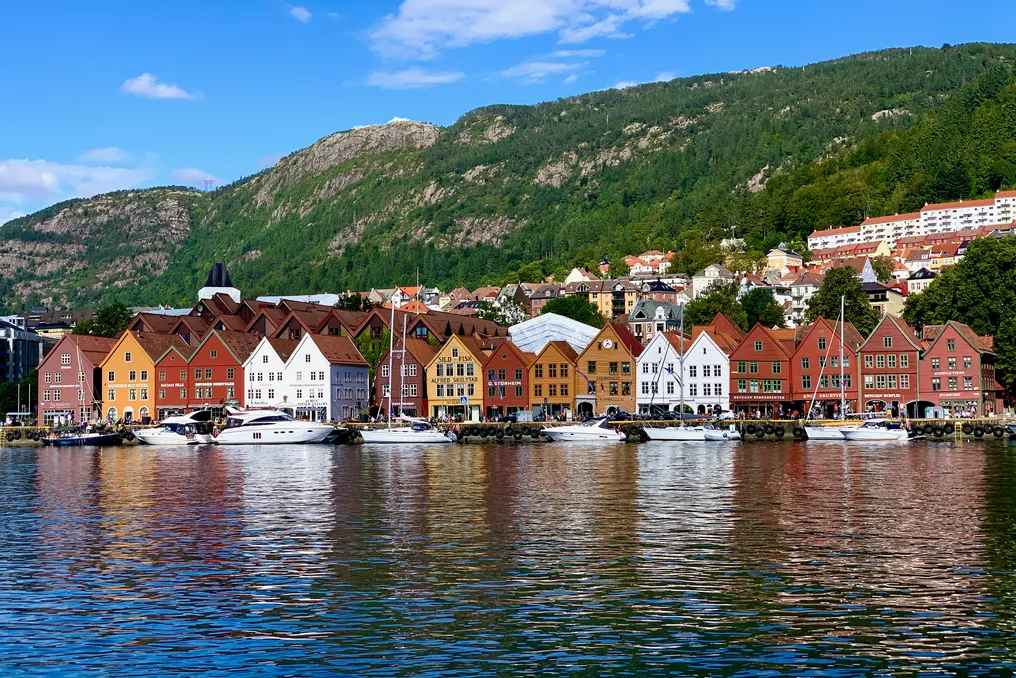
Bergen is the second-largest city in Norway after the capital, Oslo. It is called the gateway to the fjords and is surrounded by mountains, providing access to the Sognefjord and Hardangerfjord. The city's central attraction is the Bryggen area, recognized as a UNESCO World Heritage site. This quarter consists of a cluster of colorful, Viking-like houses dating back to the medieval period. Another famous spot is Mount Fløyen, one of the seven mountains surrounding the city, from which stunning views open up. It should be noted that Bergen is considered the rainiest city in the country, so an umbrella is always useful.
Preikestolen Trekking
For hiking enthusiasts, the Preikestolen (Pulpit Rock) route is suitable. It is located in the Stavanger region and has a total length of 8 kilometers (round trip). This hike is classified as medium or high difficulty, requires an ascent of 330 meters, and takes between 4 and 5 hours. However, the view from the top is worth it: the trail leads to a cliff situated 604 meters above Lysefjord.
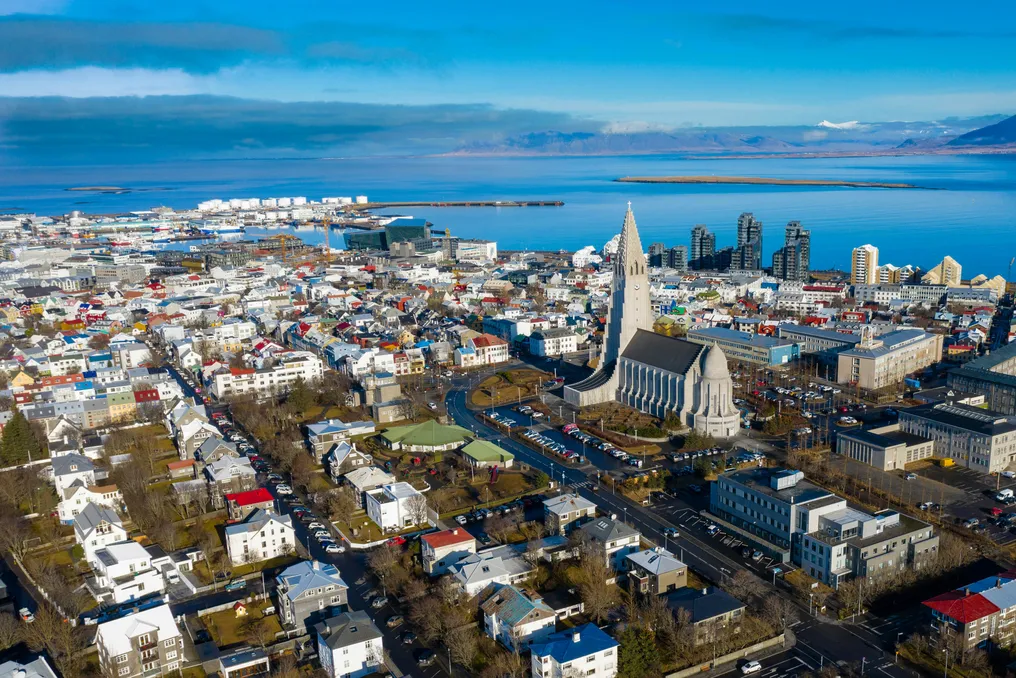
Iceland, a northern country with unique nature, offers many impressive places to visit year-round, even when the Northern Lights are not visible. One such site is the caves in Vatnajökull, a national park that covers most of the territory and is known for its ice caves. Another popular spot is Fellsfjara beach, known as the 'Diamond Beach,' where transparent ice floes are carried by the current to the shore. You can also visit the Blue Lagoon, located 50 km from Reykjavik, where thermal waters are used for bathing. Another famous attraction is Skógafoss waterfall, which is renowned for its legend of hidden treasure. Furthermore, the region features impressive glacial formations and other natural wonders.