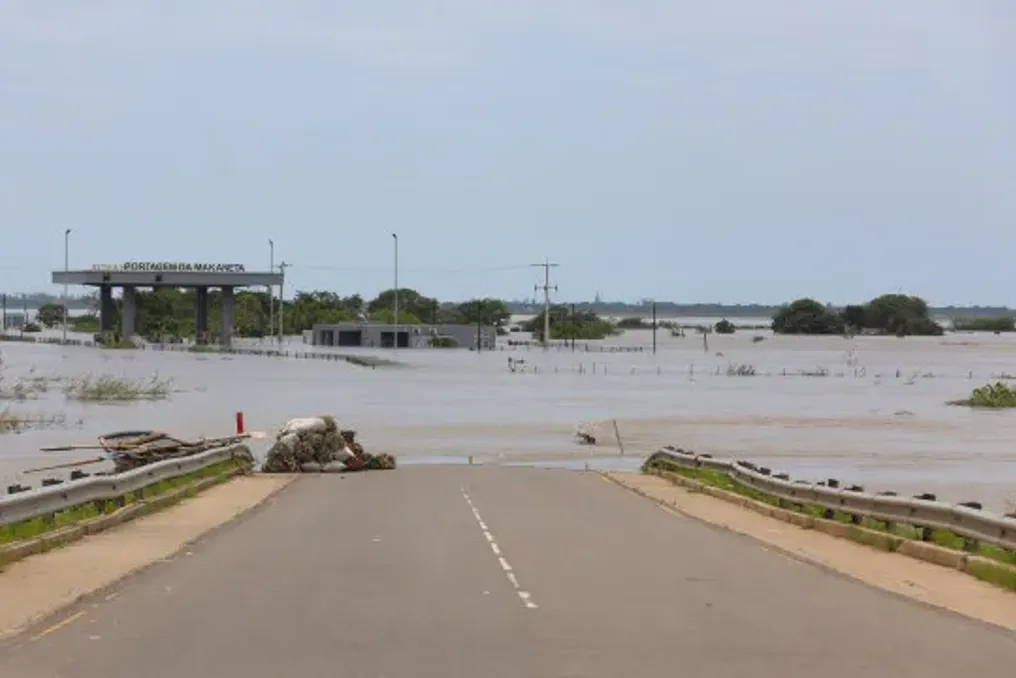
The Director of the National Institute of Meteorology of Mozambique (INAM), Aderito Aramuge, noted that when natural disasters such as floods occur, it is difficult to obtain information about the situation in affected areas, conduct mapping, or locate people who are in trees, which hinders timely assistance.
Drone Training and Capabilities
These problems are being solved through the use of drones. A certification ceremony was held in Maputo for 30 specialists, including 10 instructors from various government agencies, who underwent training in drone piloting, airspace regulation, data collection protocols, disaster management mission planning, and maintenance.
The drones have a maximum range of 10 to 20 kilometers without signal loss. Among them, eight are aerial, and one is amphibious, equipped with sensors to measure water quantity, depth, and quality. These devices will be used to map affected areas, including at night, by collecting video information.
Locating People and Accessibility
The technologies can also detect human body temperature, which is critically important in cases where people are in trees during floods in Mozambique, allowing rescue teams to be dispatched promptly. Aderito Aramuge emphasized that during extreme events, roads are often blocked, and using such drones allows for easy mapping of hard-to-reach areas, eliminating the need for boats or aircraft.
Planning and Support
The Mozambican government has also announced plans to establish a Drone Center of Excellence in the country, which will manage equipment and training on these tools, for which funding is being sought. The Prime Minister of Mozambique noted that the country must proactively find practical and sustainable solutions to counter climate change and natural disasters, given its geographical location and vulnerability to extreme weather events.
Maria Benvinda Levi stated that drones provide a unique opportunity to obtain detailed images of inaccessible areas. The implementation of this technology will allow for the collection of accurate real-time data on risk zones, flooded territories, affected people, and evacuation routes. She added that this technology will enhance the capacity of institutions to prevent and respond to emergencies, improving response efficiency, especially during cyclones, floods, and floods.
Funding and Statistics
The training of drone operators was funded by the African Development Bank (AfDB) with an amount of $967 thousand (839,171 euros). Mozambique is considered one of the countries most severely affected by climate change, as it cyclically faces floods and tropical cyclones during the rainy season, which runs from October to April. According to the latest data from the National Disaster Management Institute, 311 people died last season, and 1.07 million people were affected since October.