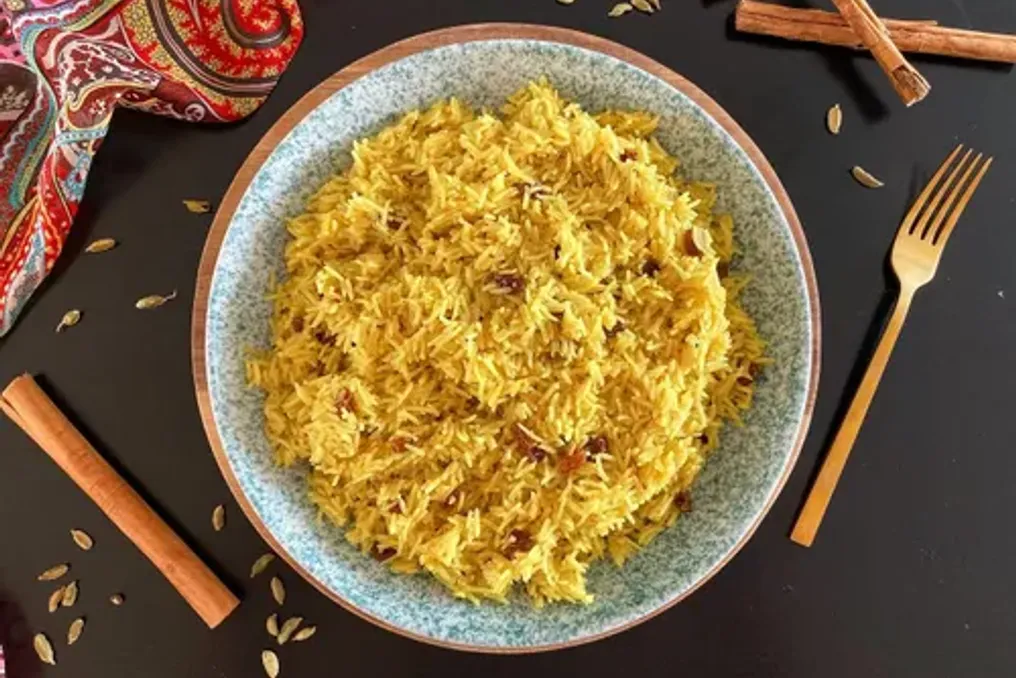
This golden rice, known as geelrys, has long been an integral part of the Cape Malay cuisine and has become a staple dish in many homes across the country. It often accompanies Sunday lunch in South Africa.
This golden rice, known as geelrys, has long been an integral part of the Cape Malay cuisine and has become a staple dish in many homes across the country. It often accompanies Sunday lunch in South Africa.
The aroma of cinnamon and turmeric fills the kitchen when the pot lid is opened, making dishes such as fried chicken, bobotie, or rich curry more complete. The appeal of this rice lies in the harmony of flavors: turmeric provides an earthy warmth, cinnamon adds a gentle spice, and raisins offer small bursts of sweetness that pair surprisingly well with savory dishes.
Although geelrys is most famous for being served with bobotie, many South Africans also prefer to pair it with fried chicken, lamb curry, brei, or even a simple vegetable side dish.
Even though turmeric gives the rice its characteristic color, traditional geelrys is not just yellow-colored rice. The cinnamon stick and raisins play an equally important role in defining the flavor of this dish. In Cape Malay cuisine, sweet and savory notes are often combined. The subtle sweetness of the raisins helps balance the spices in dishes like bobotie and curry, while the cinnamon evokes the warm spices used in many Cape Malay recipes. This is why rice with raisins and cinnamon seems incomplete if either the cinnamon is omitted or the raisins are skipped.
To prepare, you will need one cup of white rice, one and a half cups of water, one teaspoon of turmeric, one small cinnamon stick, a quarter cup of raisins, half a teaspoon of salt, one teaspoon of sugar (optional), and one tablespoon of oil. The process begins by thoroughly rinsing the rice with cold water. Then, the rice, water, turmeric, cinnamon stick, raisins, salt, and sugar are placed in a medium pot. The mixture is brought to a boil, then the heat is reduced to a minimum, covered, and simmered for about 15 minutes. After removing it from the heat, the rice is left covered for another 10 minutes to finish steaming. Next, the cinnamon stick is removed, the oil is stirred in, and the rice is fluffed with a fork. The finished dish is served hot.
The most common mistake when cooking is using too much water. Since raisins release some moisture during cooking, the rice requires slightly less water than in standard white rice recipes. Pre-rinsing the rice also helps remove excess surface starch, which keeps the grains fluffier. If the raisins tend to become hard, they should be soaked in warm water for five minutes before adding them to the pot, then well drained, and the cooking continues according to the recipe. Geelrys remains a constant element in South African kitchens through generations due to its accessibility, simplicity of preparation, and versatility.
When you crave something spicy and tangy with your evening tea, you often think of samosas or onion pakoras. However, constantly eating the same snack can lead to boredom. If you want to give your evening tea a special and different flavor, you should look at Mumbai, the heart of Maynagari. Street fast food is very popular here—Aloo Batata Vada.
These vadas, made from mashed potato pulp, coated in a crispy gram flour batter, possess an unparalleled taste and aroma that makes your mouth water even before you taste them. They are served with fried hot chilies and a dry garlic sauce, and your guests will surely praise your culinary skills.
The true flavor of Batata Vada lies in the potato filling, which is enriched with curry leaves, ginger and garlic paste, and the aroma of asafoetida seeds. The gram flour batter must have the perfect consistency—neither too thick nor too runny—to ensure an even coating on the vada.
For preparation, you will need: 4-5 boiled potatoes (mashed), 1.5 cups of gram flour (besan), 1 teaspoon of asafoetida seeds, 8-10 curry leaves, 1.5 tablespoons of ginger, garlic, and chili paste (spice level adjustable to taste), half a teaspoon of turmeric powder, finely chopped coriander, a pinch of asafoetida, a pinch of baking soda (optional, to leaven the gram flour batter), salt to taste, and oil for deep frying.
First, heat 1 tablespoon of oil in a saucepan. When the oil is hot, add the asafoetida seeds, asafoetida, and curry leaves so they sizzle. Then, add the ginger, garlic, and chili paste and fry for a few seconds. After this, add the turmeric powder and the mashed boiled potatoes. Add salt to taste and fresh coriander, mixing all ingredients thoroughly. Turn off the heat and let the mixture cool.
After cooling, form round balls the size of a lemon. In a separate bowl, take the gram flour. Add a little turmeric, salt, a pinch of asafoetida, and gradually add water until a smooth and thick batter (batatera) is formed. Finally, mix in a pinch of baking soda.
Reheat the oil in the saucepan. Dip the prepared potato balls into the gram flour batter to completely coat them, and gently lower them into the hot oil. Maintaining medium heat, flip the vadas until they are golden and crispy on all sides. Place the finished hot Batata Vada on paper towels. They are served with fried hot chilies, spicy garlic sauce, or tomato ketchup.
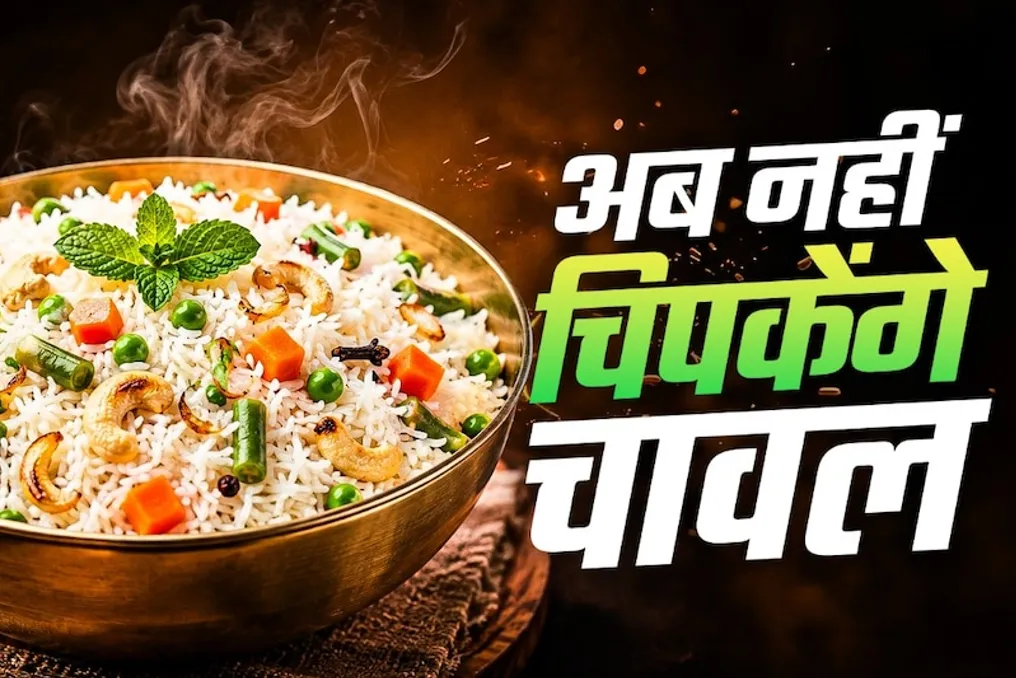
Whether it is lunch or dinner, the enjoyment of food significantly increases when hot, fluffy grains of rice are served on a plate. However, often when rushing to cook rice in a multicooker, the grains stick together, become wet, or burn to the bottom.
Such sticky grains look unappetizing and do not bring pleasure when eaten. If you regularly encounter this problem, you no longer need to worry.
We present a simple and effective kitchen trick that guarantees that every grain of rice will be separate, fluffy, and aromatic if used before cooking. This secret ingredient is right in your kitchen—it is either lemon juice or clarified butter (ghee) / vegetable oil.
Ingredients: 1 cup of rice, 2 cups of water (the amount depends on the type of rice), 1 teaspoon of lemon juice or half a teaspoon of clarified butter/vegetable oil.
Step 1: Rice preparation. First, thoroughly wash the rice, rinsing it with clean water two or three times to remove excess starch.
Step 2: Loading into the multicooker. Place the washed rice in the multicooker and add the required amount of water (usually 2 cups of water is enough for 1 cup of rice).
Step 3 (Secret trick): Just before closing the lid of the multicooker, add one teaspoon of lemon juice or half a teaspoon of clarified butter/vegetable oil to the water.
Step 4: Mixing. Gently stir the contents with a spoon to distribute the additive throughout the water. Lemon juice prevents the sticking of rice starch, while clarified butter gives the rice an excellent shine and aroma.
Step 5: Cooking and finishing. Close the lid of the multicooker and cook over medium heat until 1–2 whistles (signals) are obtained. After the whistles sound, turn off the heat and allow the pressure in the multicooker to release naturally. As soon as you open the lid, you will find perfectly fluffy and fragrant rice.