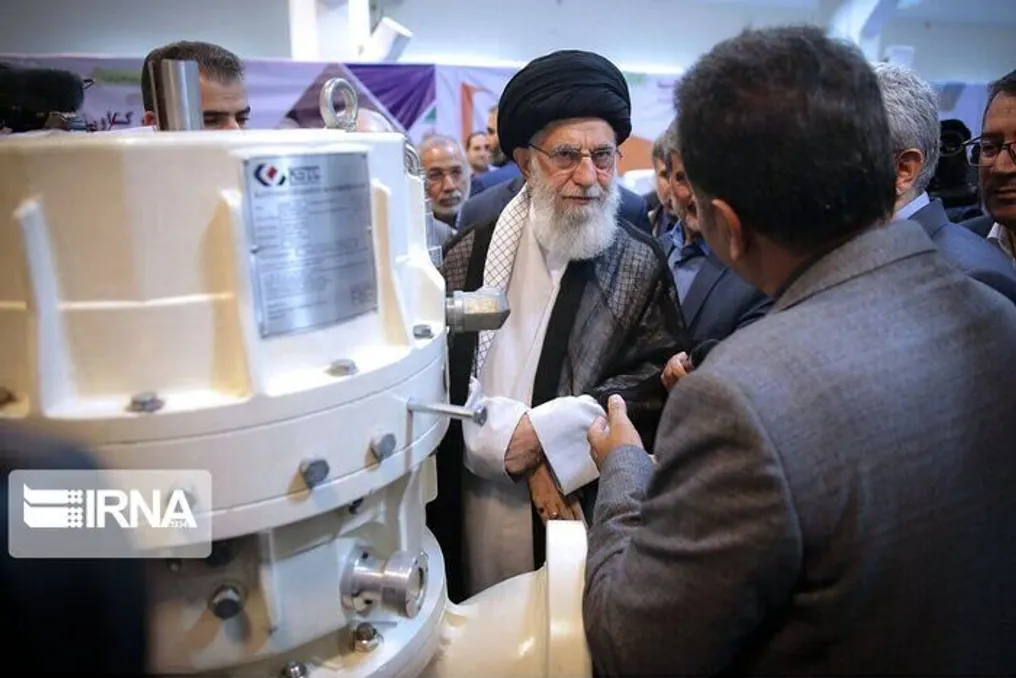
Ayatollah Sistani Ali Khamenei constantly emphasizes the critical importance of science and technology, asserting that scientific progress is a necessary condition for preserving Iran's dignity, independence, and national power.
Science as the Foundation of the State
In his view, science is not merely an educational or cultural resource, but a driving force in shaping modern Islamic civilization and a key factor in ensuring the country's sovereignty and development in the face of global hegemonic powers. He insists that science is the basis of national strength, independence, dignity, security, economic growth, and civilization building.
According to this perspective, no nation can secure a strong and independent future without achieving scientific leadership. Thus, science is viewed not only as an academic virtue but also as one of the most important tools of power in the modern world.
Achievements Since the Revolution
Like developed countries that have expanded their economic prosperity, political influence, and military potential through scientific progress, the Islamic Republic must also strengthen its scientific potential to defend its independence and national dignity. Ayatollah Khamenei noted that one of the most significant achievements of the Islamic Revolution was the formation of scientific self-confidence among youth and researchers.
Before the revolution, many of the country's scientific capabilities were ignored, and there was a prevailing sense of dependence on leading global scientific powers. However, after the revolution, confidence in internal capabilities allowed Iran to achieve notable successes in areas such as nuclear technology, nanotechnology, biotechnology, stem cell research, advanced medicine, and knowledge-based industries.
Strategic Goals and Education
Central to this concept is the idea of scientific self-sufficiency. He supports the view that Iranian scientists and students must believe in their ability to solve national problems, develop new technologies, and expand the boundaries of knowledge. This approach, he says, lays the foundation for innovation, creativity, and scientific autonomy, making it one of the country's greatest strategic assets.
Ayatollah Khamenei also defined achieving scientific authority as one of Iran's long-term national goals. He stated that Iran must reach a position where scientists seeking the latest scientific advancements are compelled to study the Persian language. To realize this goal, he believes constant long-term planning, dedication from the younger generation, continuous investment in research, and the training of highly qualified specialists are required.
Balance Between Sciences
He further stressed that research is the cornerstone of education and scientific development. Education devoid of research cannot generate new knowledge, and universities limited to transmitting existing knowledge cannot play a significant role at the forefront of science. Therefore, strengthening research institutions, supporting both fundamental and applied research, and promoting closer cooperation between universities and industry are considered vital conditions for the country's scientific progress.
Ayatollah Khamenei also emphasized the importance of both basic sciences and humanities. From his point of view, fundamental sciences provide the basis for technological innovations and advanced industries, while the humanities shape governance, culture, politics, and the overall process of civilizational construction. Therefore, balanced investment in both these areas is considered necessary to achieve sustainable scientific and national development.