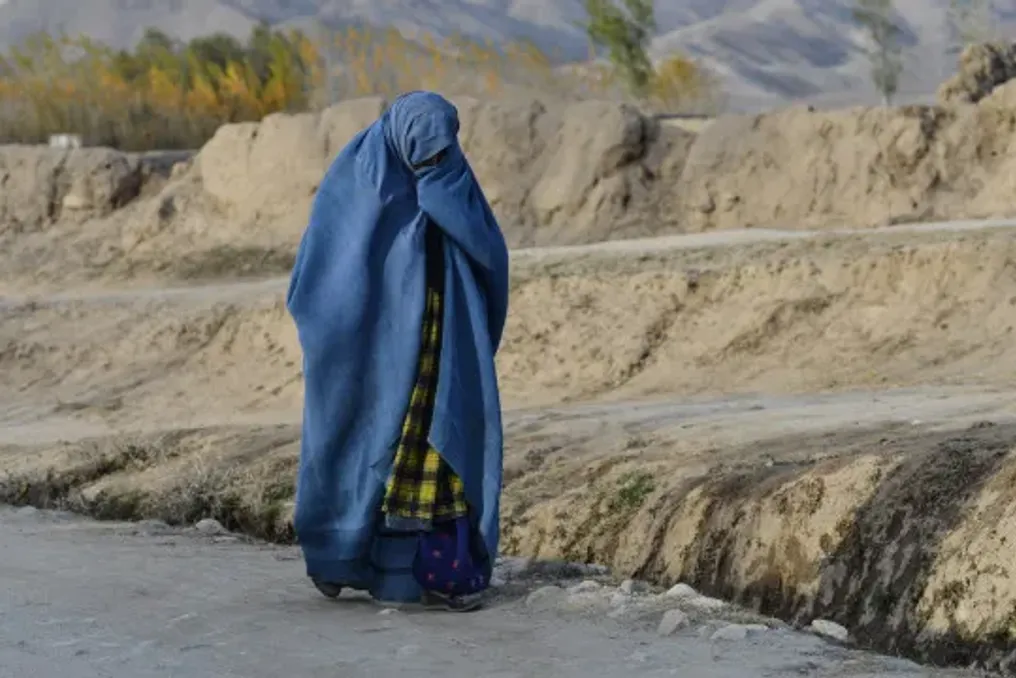
A United Nations agency reported that many organizations are forced into 'survival mode,' with two out of five believing they will have to close next year.
UN Findings on Women
These findings were presented in Geneva by UN representatives for women. They emphasized that the reduction in funding coincides with the highest level of armed conflict in eight decades and an unprecedented rise in humanitarian needs for 120 million women and girls.
Rise in Violence and Needs
The organization noted that sexual violence against women in conflict settings has doubled compared to 2025. Women's organizations are the only ones able to provide assistance in countries such as Afghanistan, the Democratic Republic of Congo (DRC), and Haiti, continuing work where other international actors cannot.
Scale of the Problem
UN Women surveyed 855 women's organizations in 52 countries affected by conflicts and crises. Based on the information received, it was found that nine out of ten organizations admitted they can no longer meet all existing needs.
Half of them began creating waiting lists or refusing aid, while 63% reduced services in remote communities—precisely where there are the fewest options for help.
Increase in Gender-Based Violence
Furthermore, 86% of the surveyed organizations reported an increase in gender-based violence in their areas of operation, and 62% stated that safe spaces for women and girls have disappeared or significantly diminished.
UN Women also found that eight out of ten organizations recorded an increase in cases of girls being withdrawn from school last year.
Staff Working Conditions
Sofia Caltrop, responsible for humanitarian activities at UN Women, told journalists: 'The organizations themselves survive thanks to the personal efforts of staff. 65% of women-led organizations reported that some staff continue to work without receiving a salary.'
She added that 'every dollar taken from women's organizations is a dollar taken from victims of sexual violence, from displaced mothers, from girls forced to drop out of school, and from entire communities struggling to survive.'
The official warned that the dismantling of these organizations also weakens women's participation in local leadership and the protection of gender equality.