The situation between the United States of America and Iran has once again escalated after the cessation of the ceasefire regime, leading to a sharp rise in crude oil prices and returning the world to a state of anxiety. Asia is particularly concerned as energy supply routes have been blocked, and trade operations are under threat.
Start of Conflict Escalation
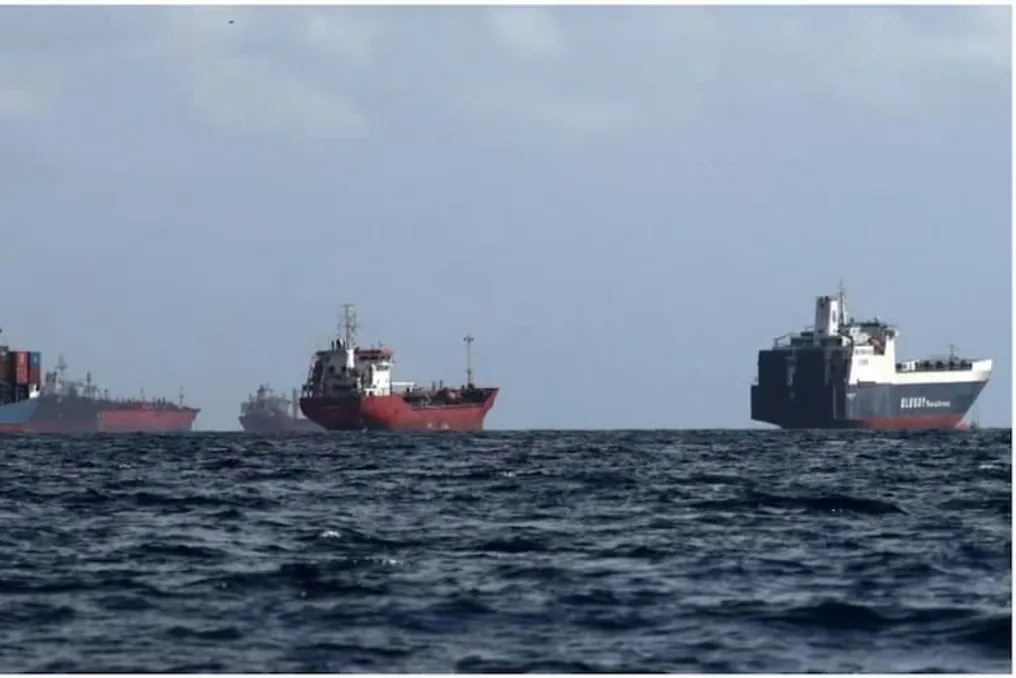
US President Donald Trump announced the end of the peace agreement between Iran and America. Following this, the US began a new wave of military strikes against Iran, targeting facilities on its southern coast. Trump stated that these attacks were in response to Iran's attacks on three cargo ships passing through the strait on Tuesday.
Several hours later, Iran reported that in response to the new American strikes on infrastructure, it launched attacks on US military bases in Bahrain and Kuwait.
Consequences for the Global Economy
The resumption of conflict between the two countries is not a favorable sign for many world powers, including India. It is already evident that this could lead to increased inflation, disruption of supply chains, and an energy crisis. The sectors that may be affected in India are examined next.
Impact of Ongoing War
Energy: A large portion of the world's oil and LNG passes through the Strait of Hormuz, which Iran uses as a weapon during the conflict. Iran has blocked this key maritime route to create an economic crisis and pressure other countries into accepting its demands. Naturally, Iran will attempt to revert to its old strategy, which means attacks on vessels and disruption of critical energy trade, causing supply disruptions and price increases.
Aviation Sector: Due to threats from missions and security concerns, movement in Iranian airspace and surrounding areas has been restricted. Airlines have been forced to choose longer routes, increasing costs for both operators and passengers, and extending flight times.
Insurance Sector: The serious threat to ships has made marine insurance one of the fastest-growing expenses for global trade.
Fertilizers: According to the World Economic Forum, the Persian Gulf is a major source of urea, ammonia, sulfur, and other fertilizers. Disruptions in this region have led to reduced supplies and higher prices. This has deeply affected not only farmers in India but also in Brazil, Canada, and sub-Saharan African countries, causing both high costs and supply shortages.
Automotive Sector: This sector has faced a double blow: high fuel prices have reduced consumer purchasing power, and supply chain disruptions have impacted automobile production. Logistics and production costs have also risen.
Tourism: Globally, and especially in this region, uncertainty has negatively affected tourism. Due to rising tariffs, unsafe air zones, and sudden attacks, tourists have begun avoiding travel to West Asia.
Defense Sector: Amid projected future uncertainty, governments have increased defense spending and procurement, further intensifying geopolitical tensions.