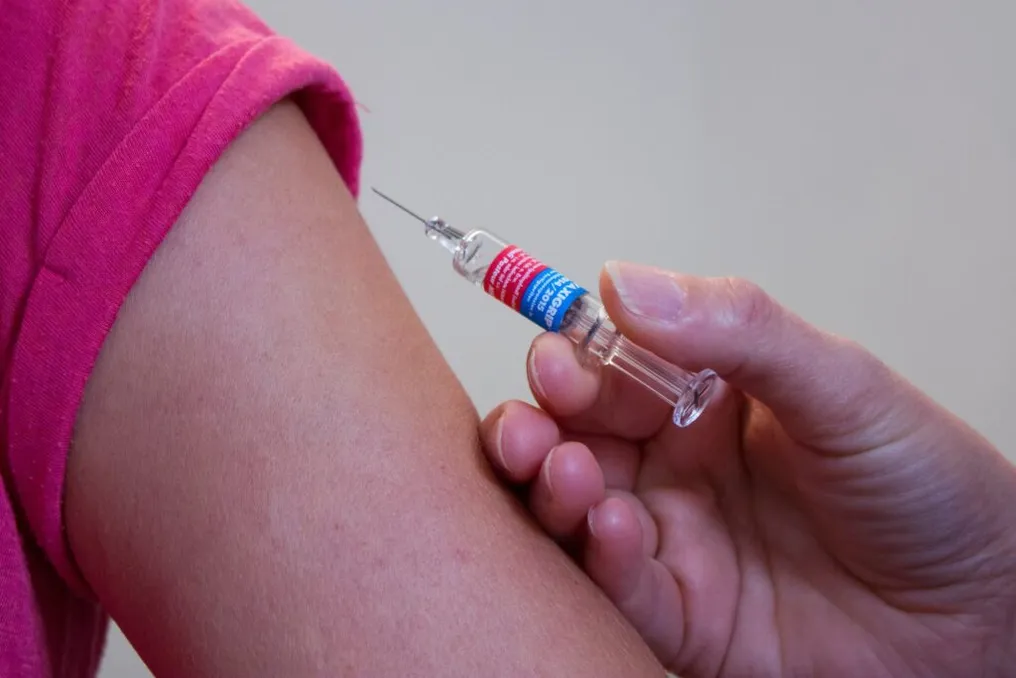
The National Institute for Communicable Diseases (NICD) reported that 2,476 laboratory-confirmed cases of measles were registered in South Africa between December 29, 2025, and June 21, 2026. The Western Cape region recorded the second-highest number of such cases.
Incidence Dynamics by Region
According to IOL data, the largest weekly increase was recorded in the Free State province with 132 new cases. This was followed by the Western Cape with 58 new cases. New cases were also registered in Gauteng (46 new cases), as well as in the Northern Cape, Limpopo, Mpumalanga, Eastern Cape, KwaZulu-Natal, and North West Cape.
Age Group of Affected Individuals
Although measles is more commonly associated with young children, the NICD notes a noticeable increase in infections among older adolescents and adults. Approximately 71% of confirmed cases are among children aged one to 14 years, but nearly 18% of cases were in people over 15 years old.
Causes and Countermeasures
Health experts believe this may indicate immunity gaps in older age groups who might have missed vaccination or not received the recommended two-dose course. Despite cases being recorded nationwide, the NICD emphasizes that the Western Cape, particularly Cape Town, continues to experience significant virus transmission. Measles outbreaks are most likely in communities where vaccination rates have dropped below recommended levels.
To slow the spread of the virus and support South Africa's long-term goal of measles elimination, officials deem laboratory testing, prompt notification, and contact tracing necessary. Minister of Health, Dr. Aaron Motsoaledi, stated that the Department of Health will intensify efforts to raise vaccination coverage to achieve 95% across the country. Measures include routine immunization programs, catch-up campaigns, outreach services, and improved tracking of children who missed scheduled vaccinations.
Departmental Challenges and Priorities
The Department is also focusing on areas with low vaccination rates, strengthening local immunization plans, and improving vaccine accessibility in clinics. Concurrently, the Big Catch-Up campaign continues, targeting children who missed routine vaccinations during and after the COVID-19 pandemic. According to Motsoaledi, vaccination coverage has declined in recent years due to a combination of vaccine hesitancy, missed appointments, strain on the healthcare system, and difficulties reaching remote populations.
Health workers note that simply improving access to vaccines is not enough; restoring public trust is becoming an equally important priority. The NICD is collaborating with healthcare workers, schools, and community leaders to combat misinformation and encourage parents to vaccinate their children on time.