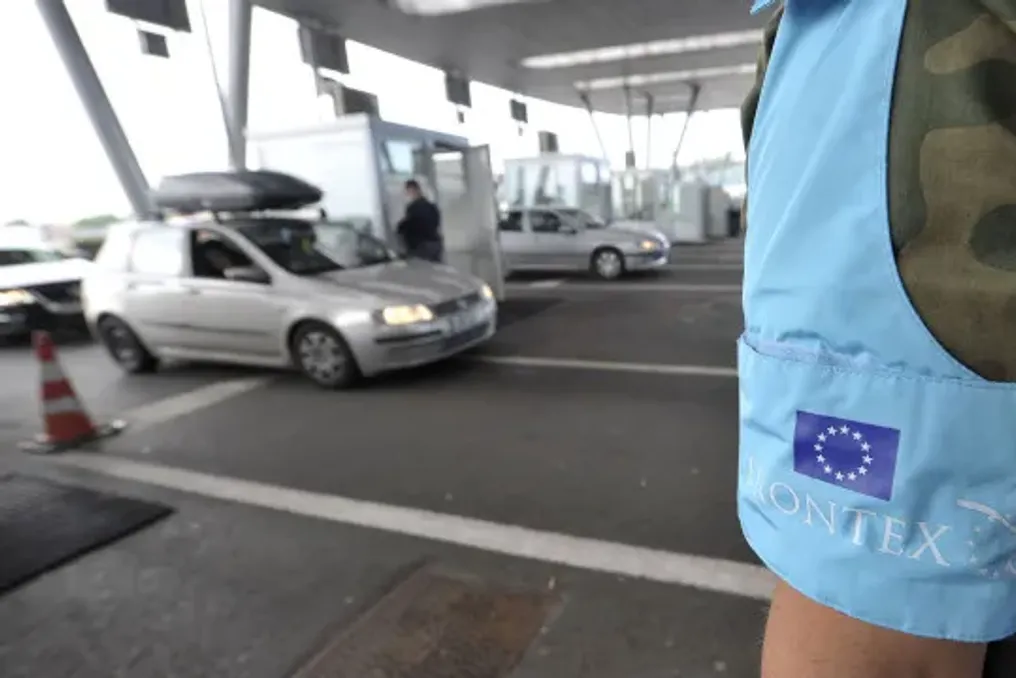
Irregular entries at the external borders of the European Union showed a reduction of 37% during the first six months of 2026, compared to the same period last year. According to preliminary data released by the Frontex agency, over 49 thousand irregular entries were recorded.
Factors for Reduction and Cooperation
The European agency attributes this decrease to continuous collaboration established with partner countries and preventive actions implemented at the main points of origin, which has led to a reduction in the number of vessels heading to Europe.
Frontex emphasized that this decline occurs in a scenario influenced by the implementation, last June, of the EU Pact on Migration and Asylum, which established a unified screening procedure at the external borders of the community space. Agency agents support Member States in identifying migrants' nationality, collecting biometric data, and checking documents.
Migration Routes and Challenges
The Executive Director of Frontex, Hans Leijtens, warned that although there are fewer vessels heading to Europe due to regional cooperation, the human cost remains high, with continuous deaths at sea. The agency reported that the Eastern Mediterranean and Central Mediterranean routes accounted for more than 60% of all irregular entries into the EU in the first half.
Specifically, the Eastern Mediterranean was the predominant route, recording over 16,600 irregular crossings, representing a 20% drop compared to 2025. The Central Mediterranean registered approximately 14,300 arrivals, a value less than half observed the previous year.
Regional Variations and Risks
In contrast, the Western Mediterranean was the only significant route to show growth, with a 17% increase, totaling about 7,900 detections. This increase was mainly driven by departures from Algeria, signaling a shift in the paths used by migrant smuggling networks.
The West African route showed the greatest retraction, with a sharp drop of 67%, reaching about 3,700 detections. This result is credited to measures adopted by Mauritania, and more recently by Senegal and Gambia, in partnership with Spain and the EU.
Despite the downward trend in arrivals, Frontex stressed that the human impact of migration remains high. Data from the International Organization for Migration indicates that nearly 1,300 people have died in the Mediterranean since the beginning of the year. Furthermore, the agency considers the situation in the Middle East to be a factor of uncertainty for the dynamics of migratory flows, even after the June ceasefire, which is under pressure due to new American and Iranian attacks, although this conflict has not yet generated notable changes at the EU's external borders. Currently, Frontex has about 3,800 deployed agents.