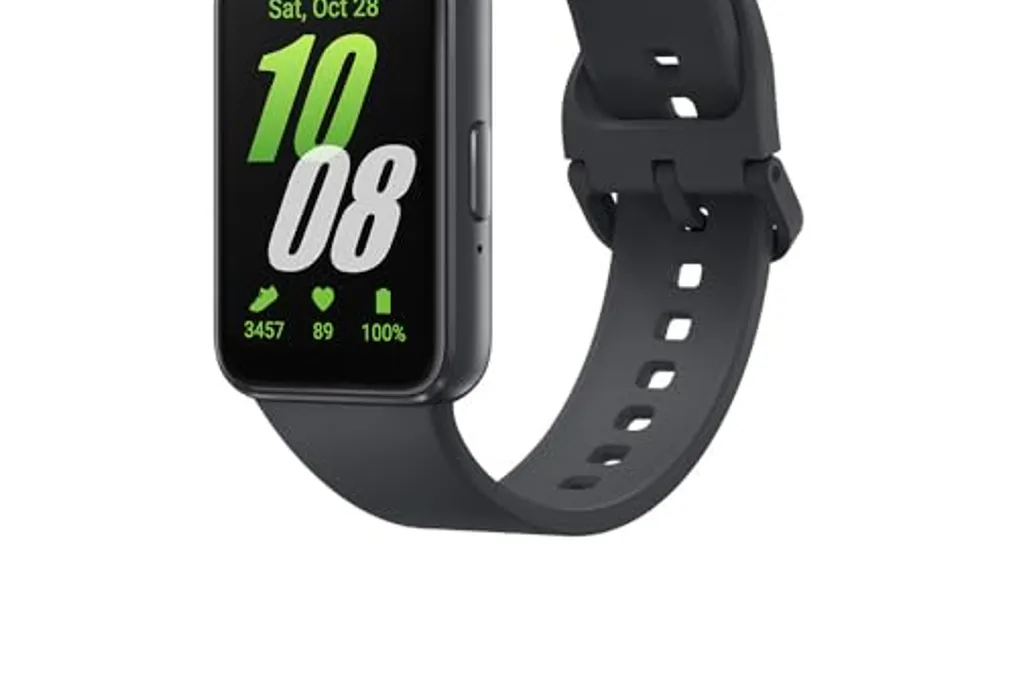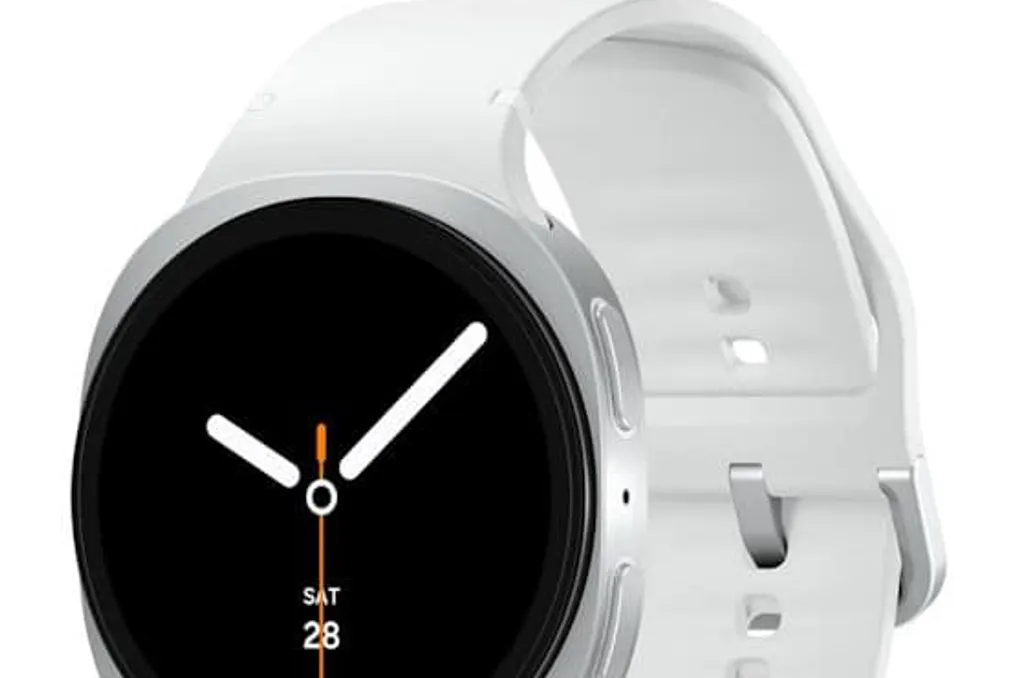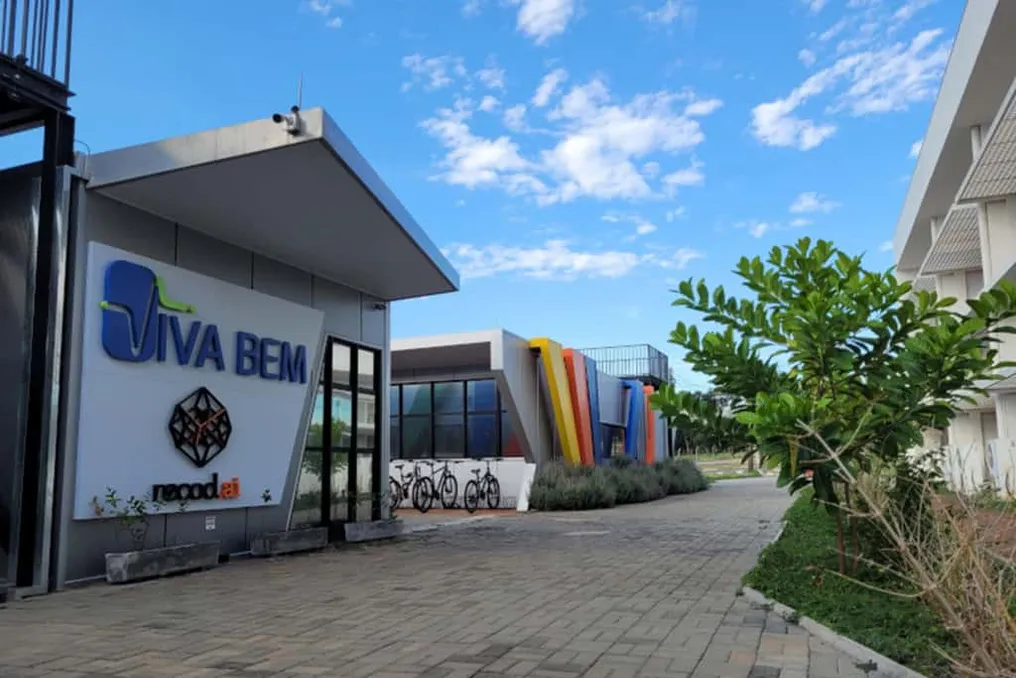
Smartwatches and rings can go beyond simple tracking of physical activity and sleep quality to play an important role in preventive medicine. This is the core idea of the Viva Bem project: Artificial Intelligence for Health and Well-being, a new Center for Applied Research (CPA) created in collaboration with FAPESP, the State University of Campinas (Unicamp), and Samsung.
Wearable Device Data Analysis
This initiative aims to develop artificial intelligence systems capable of analyzing data collected by wearable devices to identify early signs of diseases even before the first symptoms appear. Among the conditions planned for monitoring are Parkinson's disease, cardiovascular problems, sleep disorders, and age-related changes.
Modern smartwatches and smart rings are already equipped with sensors that record parameters such as heart rate, blood pressure, body temperature, skin conductivity, body composition, and movement patterns. The proposal is to use AI algorithms to process this data and detect subtle patterns that can serve as objective indicators of various health issues.
Detection Before Symptoms Appear
According to Anderson Rocha, a professor at the Unicamp Institute of Computing and coordinator of Viva Bem, previous studies have already demonstrated the potential of this approach. He noted that it was previously established that anxiety and stress cause changes in skin conductivity that can be recorded using smartwatches.
In the case of Parkinson's disease, it is expected that AI will be able to detect changes in gait, tremors, and sleep patterns years before clinical diagnosis. Regarding cardiovascular diseases, the goal is to turn the devices into a continuous cardiac monitor capable of detecting arrhythmias, blood pressure fluctuations, and signs of risk of heart attack or stroke based on heart rate changes.
The technology will also be used to identify sleep disorders associated with neurodegenerative diseases and to monitor the elderly, allowing for early detection of loss of strength and mobility to take preventive measures against falls.
Improving Diagnostic Reliability
To make diagnostics more reliable, researchers intend to create models that consider the individual characteristics of each person, rather than relying solely on population averages. Another priority is ensuring the explainability of AI decisions so that the system can justify the reasons for indicating a certain risk. Rocha emphasized that this is crucial for a doctor to trust the AI's recommendations and make safe clinical decisions.
Algorithms are also planned to run directly on the smartwatches and rings themselves, ensuring real-time data processing. In the researcher's opinion, these systems must constantly learn based on signals received from sensors, reducing dependence on manual classification.
One advantage of using such devices is the ability to monitor the user in daily life. Instead of depending on examinations during occasional doctor visits, researchers can observe trends over time. Rocha compared this to traditional medicine, which is often based on episodic data obtained, for example, during an annual check-up, stating that AI allows for 24/7 monitoring.
Since the project involves highly sensitive information, data collection will depend on the approval of ethics committees and the voluntary participation of users, who must consent to the use of the information after receiving detailed instructions about the study.
Partnership with Samsung
The development of algorithms will be carried out with the participation of specialists from Unicamp and Samsung. Samsung will be responsible for integrating the data obtained from sensors in devices such as the Galaxy Watch and Galaxy Ring into the platform used at the research center.
The Viva Bem coordinator expressed concern that the project must prevent the leakage of this information, minimizing risks such as discrimination in employment or professional damage due to the disclosure of medical data.
The Center for Applied Research was established with an initial investment of 20 million reais and marks a new stage in the cooperation between Unicamp and Samsung, which began about 15 years ago. Otavio Pennatti, Director of AI Research and Development at Samsung in Brazil, noted that this is the company's first Applied Research Center in the country structured under this partnership model between a university, a company, and a research support fund.
The funding model was also highlighted by FAPESP. Rodolfo Jardim de Azevedo, General Coordinator of Technologies and Partnerships in Innovation at the fund, stated that this format allows for long-term research with five-year contracts, renewable for another five years.
In addition to the financial contribution of Samsung and the support of FAPESP, the center will attract more than 70 researchers from Unicamp, bringing together experts from fields such as computer science, physics, engineering, physical education, medicine, and the university's Clinical Hospital.