On Friday morning, gold prices remained stable in Dubai as investors bet on potential US interest rate hikes amidst the military conflict between the US and Iran.
On Friday morning, gold prices remained stable in Dubai as investors bet on potential US interest rate hikes amidst the military conflict between the US and Iran.
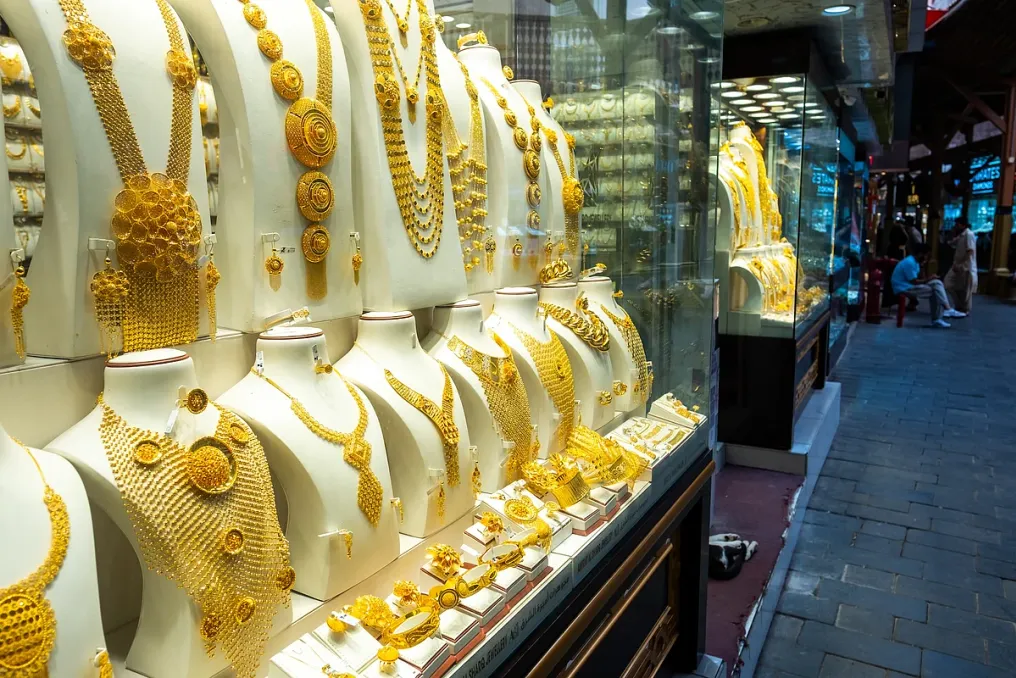
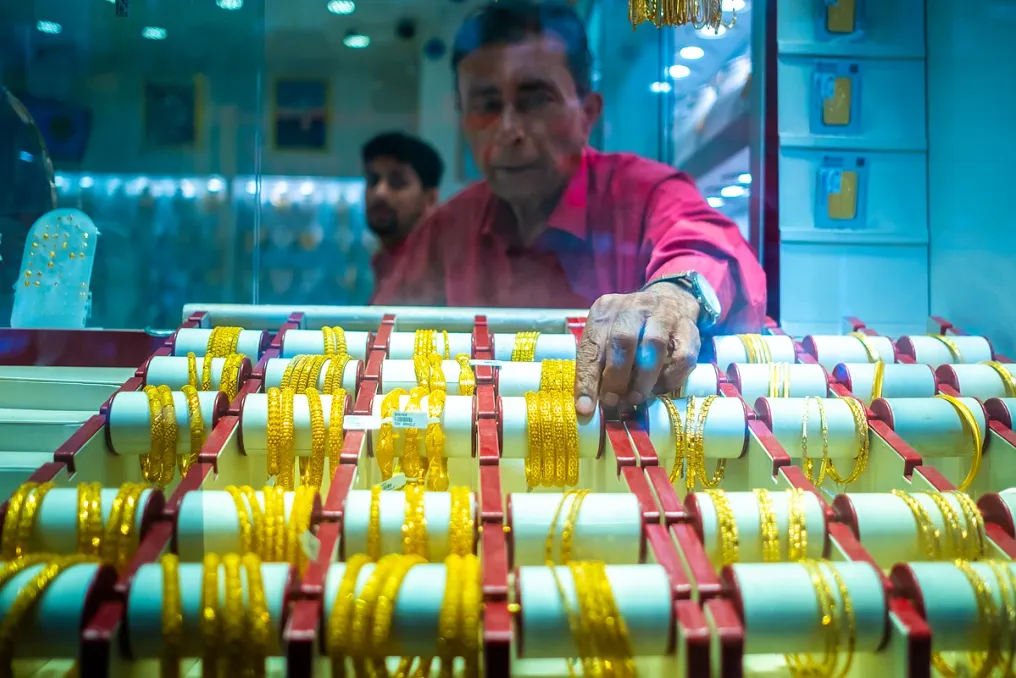
The price of 24-karat gold traded at Dh495.75 per gram, which is higher than the Dh495.25 per gram recorded at the close of markets on Thursday. Among other varieties of yellow metal, 22K, 21K, 18K, and 14K gold traded at prices of Dh459.0, Dh440.25, Dh377.25, and Dh294.25 per gram, respectively.
The spot weight of gold was $4,117.95 per ounce, showing a decrease of 0.34 percent. Silver also showed a downward trend, trading at $60.24 per ounce, which is 0.13 percent lower.
Ahmad Assiri, a strategic analyst at Pepperstone, noted that after a brief rally, the recovery in gold prices lost momentum, and the market returned to a more cautious sentiment. He stated that the renewed escalation of geopolitical tensions around the Strait of Hormuz negatively affected overall market confidence, causing gold to fall back to the $4,100 level.
According to Assiri, simultaneously, crude oil rose as markets priced in a higher probability of supply disruptions, leading to an increase in inventory deficits.
Investors in precious metals continue to show indecision in forming strong long-term positions because US Treasury yields remain high, and uncertainty regarding the trajectory of Federal Reserve policy persists. Assiri added that pressure is increasing due to rising energy prices caused by new tensions, which could slow down the process of global disinflation and consequently keep rates high.
Although markets have moderately lowered expectations for further rate hikes in the short term, rates remain high enough to limit gold's attractiveness in the current environment. The analyst believes that the medium-term outlook for gold remains constructive compared to the strong selling pressure of recent weeks, but the short-term forecast remains cautious. The market has moved away from expectations of a drop to the $3,900 range, but it lacks a convincing catalyst for a sustained move above $4,200.
Assiri concluded that most of this uncertainty is related to the Fed and the return of geopolitical risks. Until the market gains greater confidence in the direction of US interest rates, gold will likely be influenced by geopolitical risks and the counterforce of high rates.
Gold prices in Dubai have shown stabilization after declining by $60 over the past month. Simon-Peter Massabni, Head of Business Development at XS.com, noted that the continuation of the downward trend in gold prices is linked to low expectations for a comprehensive resolution to the war in the Middle East.
These low expectations support pessimism regarding the course of the Federal Reserve's tight monetary policy. Furthermore, Massabni reported that there are no significant capital inflows into the gold market, as major physical gold exchange-traded funds have not recorded receipts in recent days.
The situation could be worsened by weak consumer demand for the yellow metal from private individuals. Regarding the geopolitical situation, Massabni added that expectations continue for interim results, which, according to him, do not go beyond purely technical levels in the implementation of the memorandum of understanding. He also mentioned that the United States and Iran continue to publicly declare disagreements, which led to clashes last week and disruptions during negotiation sessions.