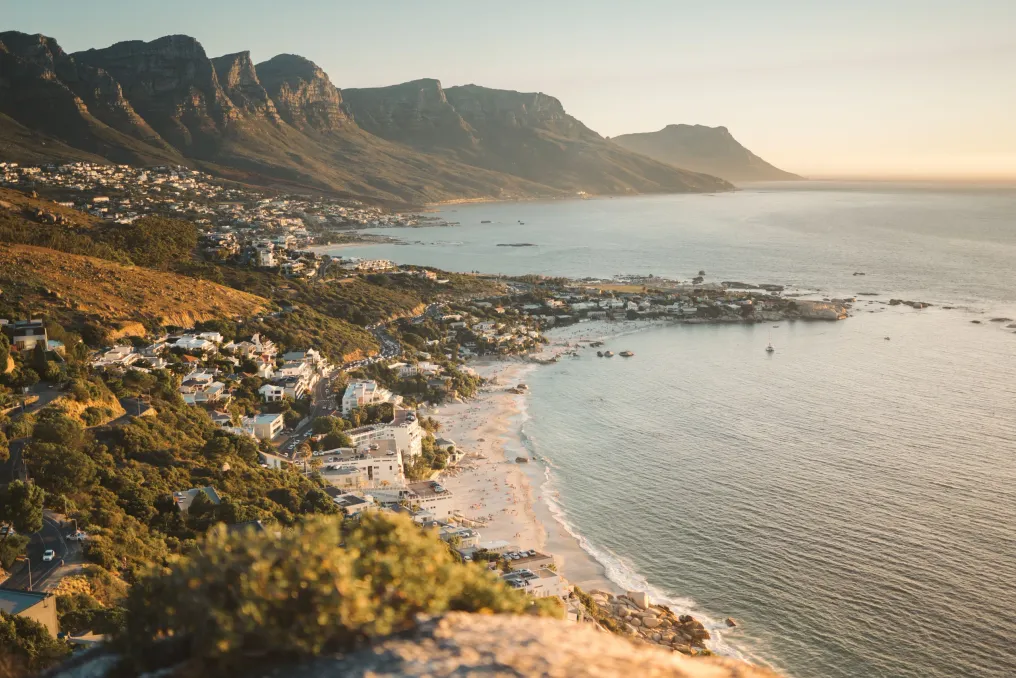
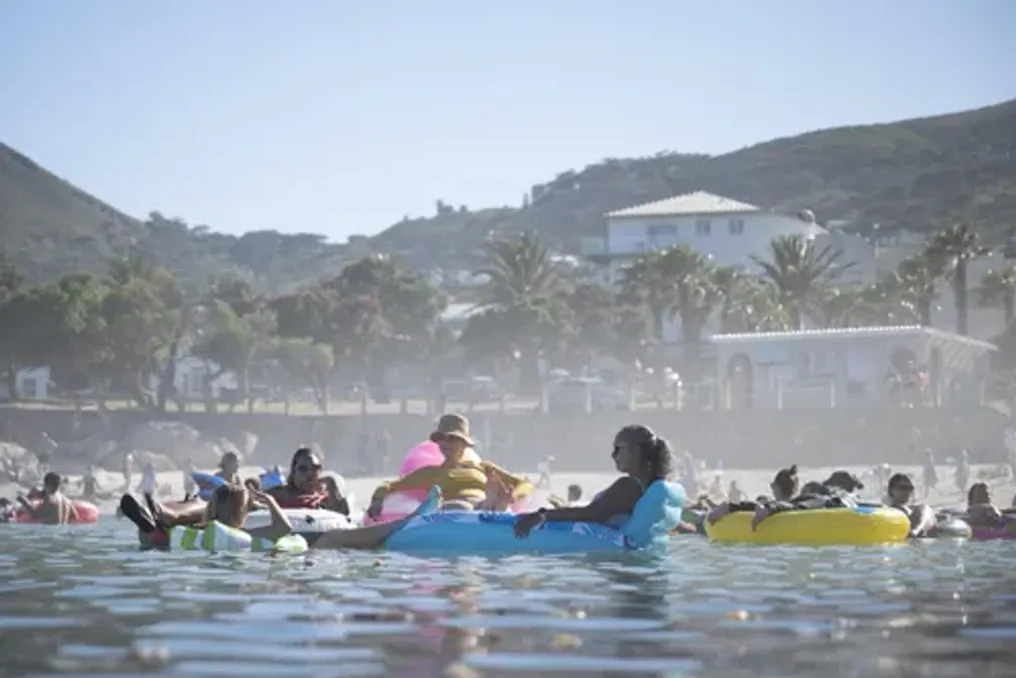
Cape Town's beaches are very popular, and places like Clifton, Camps Bay, and Muizenberg attract residents and tourists year-round. However, behind these well-known sandy stretches lies a quieter side of the city's coast.
Quiet Coastal Spots
From the West Coast to the Cape of Good Hope, you can find secluded coves, rugged shorelines, and sheltered beaches offering a more relaxed pace of life. In these locations, tidal pools teem with marine life, long walks along the shore replace bustling promenades, and the sound of the surf drowns out the crowds.
If you want to swap crowded beaches for peaceful coastal havens, these eight spots prove that you don't have to travel far to experience another side of Cape Town.
Information Before Visiting
Travel time is approximate and may change depending on traffic, weather, and seasonal congestion. If you are heading to Table Mountain National Park, check SANParks before leaving regarding current conservation fees and gate operating hours.
Overview of Eight Beaches
Oudekraal Beach
Located between Camps Bay and Llandudno, Oudekraal Beach seems surprisingly secluded despite its proximity to the city center. It is protected by massive granite boulders and sits beneath the slopes of Table Mountain, offering a series of intimate coves instead of one large sandy expanse. As part of Table Mountain National Park, Oudekraal is valued for its exceptional natural beauty. The calm, crystal-clear water is ideal for a refreshing swim on warm days, and the rocky shore provides endless opportunities to explore tide pools teeming with marine life. Visitors here are invited to slow down: families gather near barbecue areas under milkwood trees, photographers linger until golden hour when the granite outcrops are bathed in warm light, and snorkelers quietly dive beneath the surface to discover colorful underwater ecosystems. The adjacent marine protected area also contributes to the preservation of fish populations and sensitive coastal environments.
Windmill Beach
Not far from the famous penguin colony at Boulder's Beach is one of the most underrated swimming spots in False Bay. Windmill Beach does not draw attention with loud claims; instead, it quietly rewards visitors who venture past the crowds. This small cove offers much calmer water than many surrounding beaches, creating excellent conditions for swimming, snorkeling, and exploring the seaweed forests thriving beneath the surface. The sheltered conditions also attract a surprising diversity of marine life. On most days, snorkelers often encounter colorful reef fish swimming among the algae, and African penguins are sometimes seen floating between rocks from the neighboring colony. The landscape above the water is equally captivating: granite formations frame unobstructed views of False Bay, and the slow pace allows hours to be spent moving between the beach, rock pools, and shaded picnic spots.
Buffels Bay
Within the Cape of Good Hope section of Table Mountain National Park, Buffels Bay feels wonderfully removed from the urban rhythm. Wide lawns open onto a broad sandy beach, and the tidal pools provide safe areas for family play when ocean conditions are less favorable. Buffels Bay offers enough space to settle in, allowing for a full day without feeling overcrowded. The surrounding landscape is also memorable: rugged mountains rise behind the coast, local fynbos shrubs cover the hills, and wildlife—including ostriches, baboons, and antelope—is frequently sighted in the reserve. During the annual whale migration in the open ocean, Southern Right Whales can often be seen, and the Cape Town coast is recognized as one of the world's best places for land-based whale watching between June and November. While the beach is perfect for swimming under good conditions, Buffels Bay is perhaps best appreciated for its sense of spaciousness. It is a place where hours disappear between beach walks, picnics, and simply observing the tides.
Diaz Beach
It is hard to believe that such an impressive beach remains overshadowed by the iconic Cape of Good Hope landmark just a few kilometers away. Diaz Beach, tucked beneath cliffs at the southwestern tip of the Cape of Good Hope, is one of the region's most dramatic coastal sections. Access requires descending a long wooden staircase, but every step is rewarded with unobstructed views of powerful Atlantic waves crashing onto a vast stretch of pale sand. Named after the Portuguese explorer Bartolomeu Dias, who rounded the cape in 1488, the beach feels wonderfully wild. There are no cafes, umbrellas, or noisy promenades here—only the sound of crashing waves and rare birds soaring overhead. The ocean is undoubtedly beautiful but often unpredictable, with strong currents and powerful surfing. Swimming is generally not recommended, so Diaz Beach is better suited for photography, beach walks, and simply enjoying the pristine beauty of one of Cape Town's wildest landscapes.
Platboom Beach
If solitude had an address, it would probably be Platboom Beach. Located in the Cape of Good Hope section of Table Mountain National Park, this stretch of coast feels refreshingly untouched. There is no coastal development, no noisy cafes, and often only a few footprints are visible in the sand. Platboom is one of the designated 'remote beaches' of the Cape of Good Hope, offering visitors a glimpse of the coast as it existed for centuries. The surrounding dunes support local vegetation, and the beach itself provides endless opportunities for long walks, birdwatching, and quiet reflection. Since the beach is in a protected area, it also serves as an important refuge for coastal biodiversity. Visitors are advised to stay on marked trails, if possible, and leave the environment as they found it to help preserve fragile ecosystems. Cape Town's coastal dune systems play a vital role in stabilizing beaches and supporting local flora, making responsible visitation particularly important.
Kogel Bay
Few coastal drives can compare in beauty to Clarence Drive, and Kogel Bay is one of the greatest rewards of this road. Situated between Gordon's Bay and Rouxel's, this stretch of golden sand is framed by the dramatic mountains of the Kogelberg Biosphere Reserve, where steep fynbos-covered slopes tumble into the ocean. Kogel Bay feels boundless. Even in warmer months, there is often enough space to find your own quiet patch of sand. The beach is particularly popular with surfers due to its consistent swell, and photographers flock here for the light at sunrise and golden hour illuminating both the mountains and the sea. Although swimming is possible in calm conditions, visitors should be mindful of changing surf and currents.
Silwerstroomstrand
Approximately 50 kilometers north of Cape Town, Silwerstroomstrand offers a different view of the city's coast. Bordered by dunes and facing the vast Atlantic Ocean, this resort has long been a favorite among local communities while remaining largely unnoticed by tourists heading further west. The tidal pool provides a gentler option for swimming, and the surrounding picnic areas and barbecue spots make it suitable for relaxing family outings. Outside the resort, a three-kilometer stretch of continuous beach invites leisurely strolls, and the surrounding dune system supports rich avifauna and ecologically important Strandveld vegetation. History is also present here: the wreck of the *Reigersdal*, a Dutch East India Company ship that sank during a severe storm in 1747 after months of sailing from Europe, lies in the open sea.
Smitswinkel Bay
Some beaches require very little from you. Smitswinkel Bay is not one of them. Accessible only via a footpath descending from a higher road, this secluded cove rewards those willing to make the journey, making it one of the most peaceful coastal spots on the Cape of Good Hope. Sheltered by rugged mountains, the bay feels serenely isolated despite being easily reachable from Cape Town. The beach itself is small and often quiet, and the crystal-clear water and rocky shore make it a favorite spot among experienced snorkelers and divers when marine conditions allow. The effort required to reach Smitswinkel Bay naturally limits the number of visitors, creating a sense of seclusion that is increasingly hard to find on the peninsula's more accessible coast. It is a place that reminds you why slowing down—and sometimes putting in a bit more effort—often leads to the most memorable experiences.
Conclusion
The best beaches in Cape Town will always hold their appeal, but some of the most memorable coastal experiences lie just off the beaten path. These quieter beaches offer a chance to slow down and see another side of Cape Town, from secluded coves and wild shorelines to tranquil sandy expanses. Wherever your next beach day takes you, treat these places with care. Respect the wildlife, stick to marked trails, and leave these places as you found them so that future generations can enjoy them.