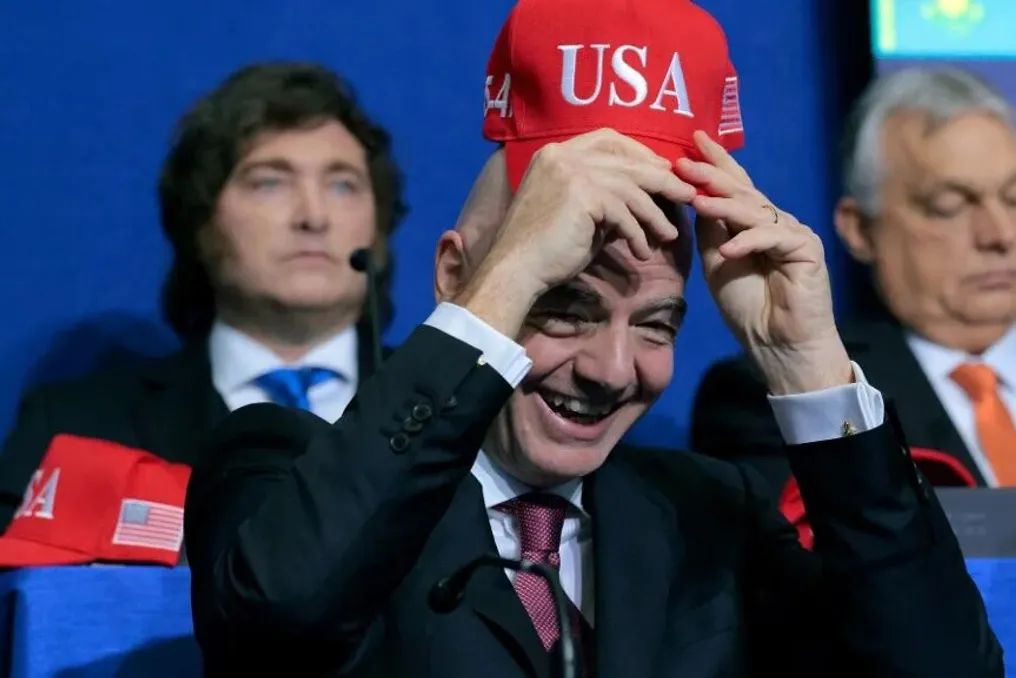
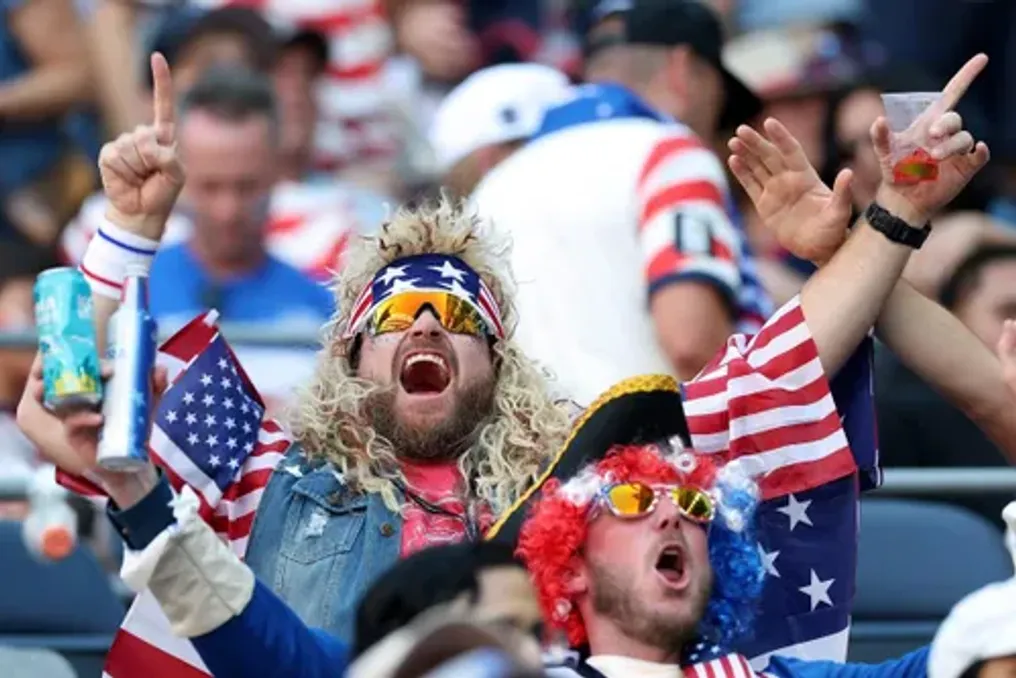
The FIFA World Cup, traditionally positioned as the greatest celebration of football uniting billions of people, has faced serious issues in America. Instead of being marked by sporting achievements, the 2026 tournament is increasingly defined by political interference, immigration barriers, and a trend toward the American style of football, where television revenue takes precedence over fan enjoyment.
Political Pressure on FIFA
This situation was clearly demonstrated in the incident involving US national team forward Folarin Balogun. After receiving a red card from Bosnia and Herzegovina, Balogun should have received an automatic disqualification. However, following an appeal and a public call from US President Donald Trump to FIFA President Gianni Infantino to review the decision, the disqualification was overturned.
Despite FIFA later insisting on the independence of its judicial bodies and denying political influence, this turn of events undermined trust in the organization. When fans believe that rules are changed for the benefit of a powerful host country, the integrity of the competition is jeopardized.
Barriers for Fans
The problem goes beyond a single case. The tournament, which for decades promoted football as a universal language, has shown that this language stops at US borders. Fans from participating countries faced visa delays, travel restrictions, or outright refusal of entry.
For example, referee Omar Abdulkarim Artan from Somalia was prevented by US authorities from attending the tournament due to alleged security concerns. Furthermore, journalists from Ghana were denied visas, and fans from Iraq, who had waited decades to see their country return to the World Cup, were forced to watch it from home due to the ban on entry into the US.
Commercialization of the Game
In addition to geopolitical problems, there is a change in match format. Hydration breaks, initially introduced as a reasonable safety measure in high temperatures, have turned into a tool for creating commercial content for broadcasters. Three-minute stoppages in climate-controlled stadiums allow broadcasts to show advertising breaks while players prepare to continue the game.
This resembles 'tactical timeouts' common in basketball or American football. Football was never meant to perfectly fit into advertising slots, but this tournament increasingly resembles an American television product, where the natural rhythm of the game gives way to maximizing commercial opportunities.
FIFA claims that football belongs to everyone, yet its actions increasingly suggest that it primarily belongs to sponsors, broadcasters, and those with political influence. Although the governing body has spoken about the development of the game for years, this growth (in revenue) should not come at the expense of the sport's soul. The tournament, which promised to unite the world, instead reminded millions that politics can decide who passes through the gates, commercial television dictates when the game stops, and influence can reach places where sporting rules should apply.