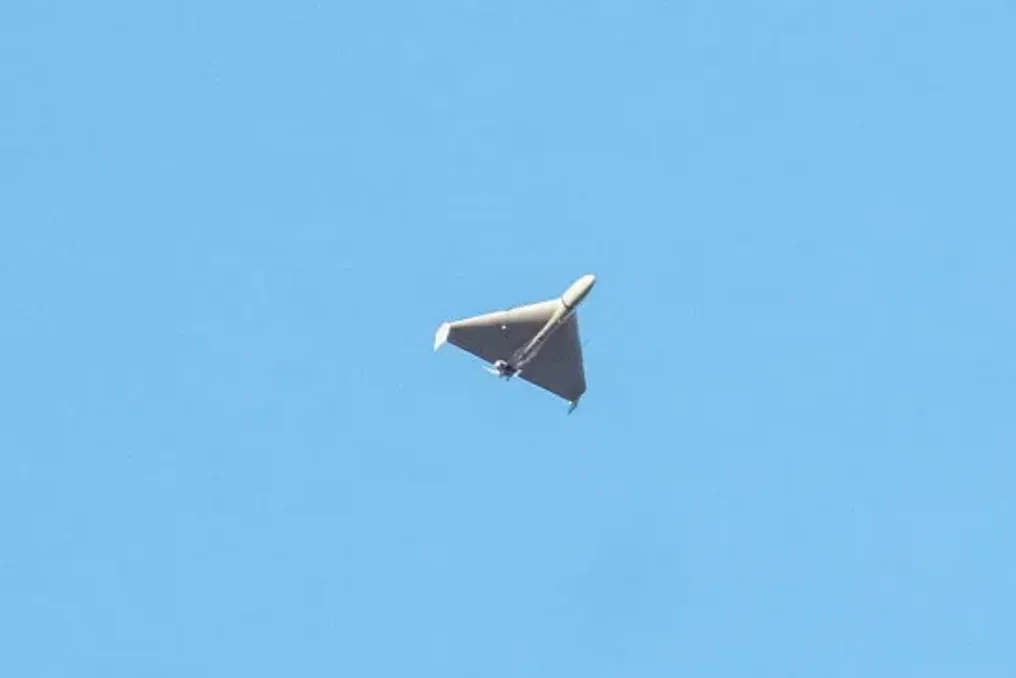
A fire broke out at the oil refinery in Ilsk following the fall of drone debris, according to the operational command of the Krasnodar region on Telegram. It was also noted that no civilian casualties were reported.
Attacks on hydrocarbon storage facilities
The Governor of the Rostov region, Yuri Sluysar, reported that flames erupted at two hydrocarbon storage facilities after attacks in Azov. These new assaults on oil refining infrastructure are occurring during a period when the country is facing fuel supply problems, which are particularly severe in the neighboring Crimean peninsula.
Military actions and statistics
Between 20:00 on Thursday (18:00 Moscow time) and 07:00 on Friday (05:00 Moscow time), Russian forces destroyed 376 Ukrainian drones, according to data from the Russian Ministry of Defense on Max. Russia continues to bomb Ukraine almost daily more than four years after the start of the war—the most severe conflict in Europe since World War II—and no diplomatic exit has been observed yet.
Humanitarian situation and military objectives
Preliminary UN data showed that June was the most violent month for the civilian population of Ukraine since the start of the war, with at least 265 people killed and 1816 injured. Since the full-scale invasion of Ukraine by the Russian Federation in February 2022, the UN High Commissioner for Human Rights has recorded the deaths of at least 16,402 civilians, including 802 children. Additionally, 48,428 civilians, including 2,948 children, have been injured.
For its part, Ukraine has intensified its offensive on Russian territory, often far from the border, targeting primarily transport and petrochemical infrastructure in an attempt to reduce Moscow's ability to finance military efforts. In recent months, the UN Security Council has regularly met to discuss events in Ukraine or the side effects of the war, holding four sessions in June alone.