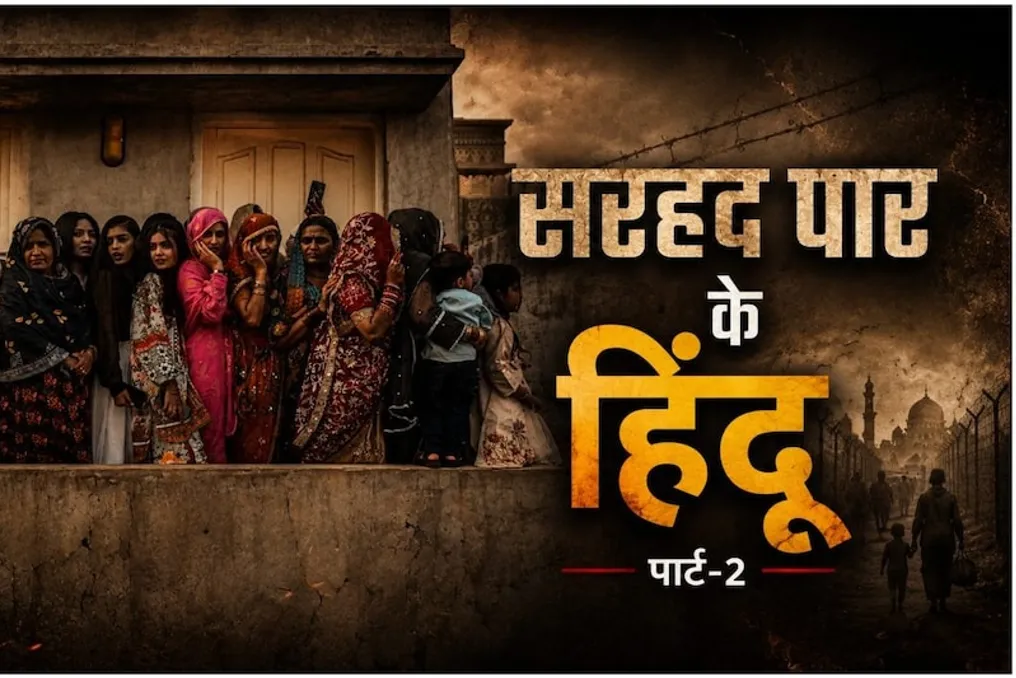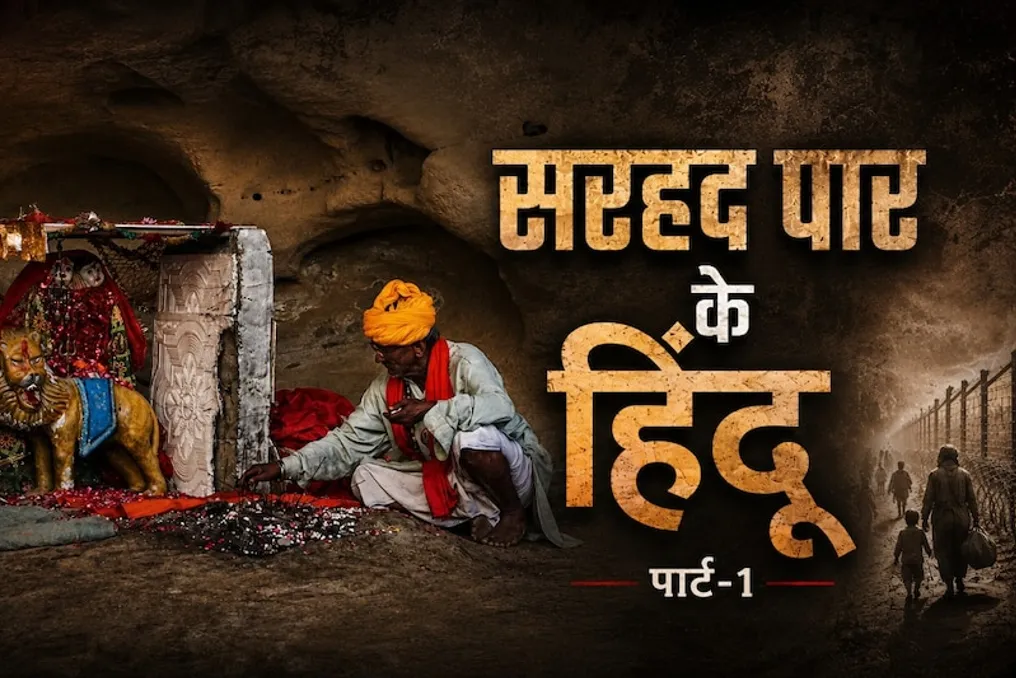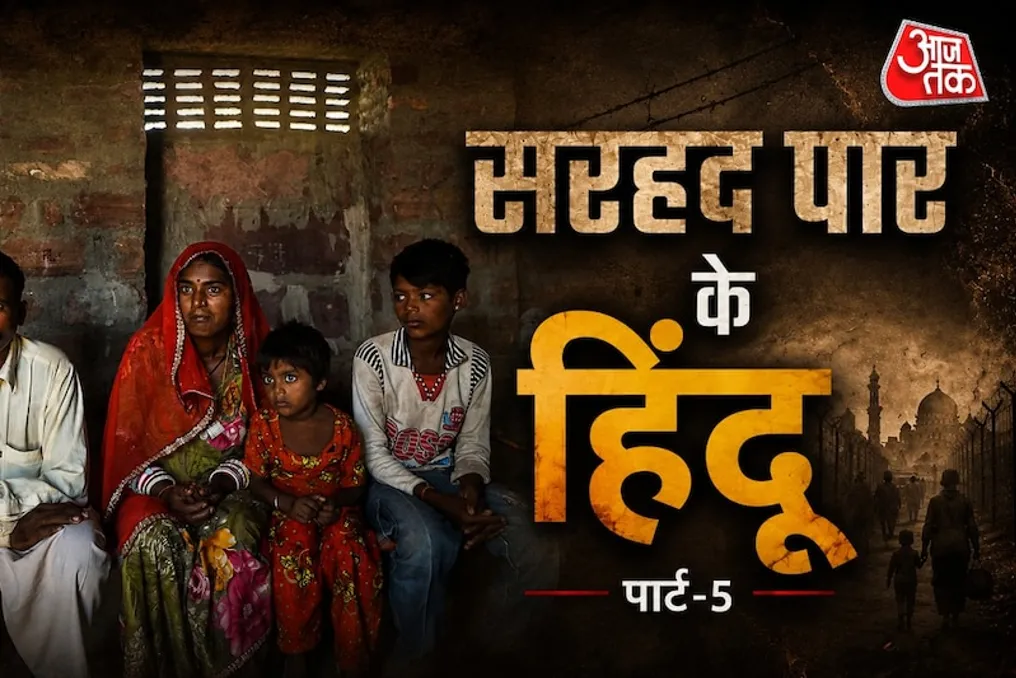
For thousands of Hindu families residing in Pakistan, India is not merely a neighboring country but a hope for a secure future. Although the ultimate goal for every Hindu born there is to obtain Indian citizenship, the path to this goal is extremely difficult.
Entry and Visa Process
The initial stage involves significant financial costs and long waiting times to obtain an Indian visa in Pakistan. Even after crossing the border, the path to obtaining citizenship in India remains long.
Many families have been living in India for over ten years but have not yet become a full part of the Indian system. This series of materials examines what stages must be passed first in Pakistan, what type of visa is issued, what a Long Term Visa (LTV) is, and how the process has changed after the introduction of the Citizenship Amendment Act (CAA).
Obtaining a Visa for India
Most Hindus from Pakistan arrive in India not for permanent residence, but with a tourist visa. They often postpone savings or take out loans for passport applications for years. Problems arise, especially if families do not own their own land, forcing them to live on government plots.
After receiving a passport, interaction with agents begins. Despite the temporary closure of visa procedures, they have to work with agents to get a visa. Since many do not have a high level of education, they rely on intermediaries. Although government fees are minimal, agents charge large sums for document processing. The requirement to provide relatives' documents for the visa raises questions.
Dilip Singh Sodha notes that the visa is usually applied for based on an invitation from a relative or acquaintance in India for religious or family reasons. He emphasizes changes in the process: 'Previously, the visa was obtained based on bank statements and general documents. Now, approval from an A-class officer is required, who needs to be provided with many details for confirmation, so officers are distrustful. Because of this, entry into India has become much more difficult.'
Closure of Transport Routes
Information reports have led to visas now being issued only after receiving relevant intelligence data. Previously, the main route of arrival was the Thar Express, which connected Karachi with the Monabat Pass in Pakistan via Hyderabad and Mirpur Kas. From there, people entered India through Rajasthan and reached Jodhpur.
This train ran on Fridays, and after 2006, a large number of people began using this route. However, after the escalation of tensions between India and Pakistan in 2019, the Thar Express service was discontinued, further complicating entry.
Complications at Border Crossings
According to Hindus from Pakistan, movement between relatives was previously relatively simple. Dilip Singh Sodha points out that the situation has changed: 'Previously, relatives could move around easily. But now the rules have become very strict. After the attack in Pahalgam, movement through the Attari border crossing has almost completely stopped. Many families are waiting for visa openings.'
Procedure After Arriving in India
Even after entry, the process is not complete. Individuals who enter on a visa must report to the relevant authorities within the stipulated time. If they wish to live in another city, they also require permission. Then they apply for a Long Term Visa (LTV).
What is LTV
LTV stands for Long Term Visa. This system allows Hindus from Pakistan to stay in India for an extended period. Hindu Singh Sodha says that the longest wait is related to the approval of the LTV application: 'The LTV file is sent from here, but getting approval from Delhi takes a long time. Until the LTV is received, people have to face various difficulties.'
After obtaining the LTV, people can legally stay in India for a long time and begin accessing certain necessary services. Hindu Singh Sodha clarifies that after the LTV, one can apply for an Aadhaar card, but it indicates foreign status. 'Some services become available, but problems still arise when opening bank accounts and going through other government procedures.'
The Path to Citizenship
Indian citizenship is not granted immediately. Previously, Hindus from Pakistan had to wait several years. After a long stay, they had to apply for a passport, and if the passport expired, it needed to be renewed. Citizenship was only obtained after completing the application, verification, and other procedures.
Sagaraj Bil shares his experience, noting that he received Indian citizenship several years after entering. 'We were initially on LTV, and then the citizenship process was completed. We had to wait, but eventually, I got citizenship.'
Jaan Bahadur Singh also recounted that he entered India in 2014 and received Indian citizenship about ten years later. 'After getting citizenship, I felt that my identity was completely tied to India.'
Changes After CAA
Many Hindus from Pakistan note that hope increased after the implementation of the Citizenship Amendment Act (CAA). Nevertheless, according to the CAA, only those who entered India before 2014 and meet other conditions of the law can receive citizenship.
Sagaraj Bil reports that a large number of people are still trying to enter Pakistan. Since the law was enacted, the process has simplified, and many Hindus who arrived before 2014 have managed to obtain citizenship. However, a large group of people who arrived after 2014 are still awaiting citizenship. Nevertheless, most Hindus from Pakistan are willing to wait, as the mere fact of arriving in India marks the beginning of a new life for them.
}, {