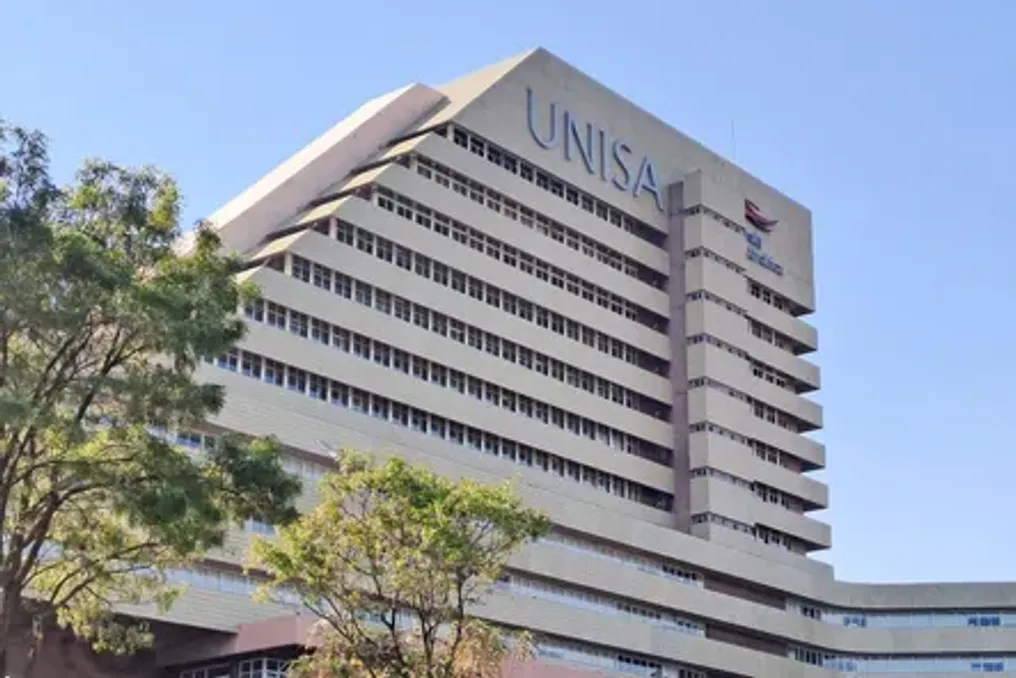
The University of South Africa (Unisa) refutes the explanations provided by the National Student Financial Aid Scheme (NSFAS) regarding July stipend payment delays, insisting that the disruption was caused by broader systemic problems rather than errors on the university's part.
Disagreements over Delays
Conflicting accounts have cast doubt on responsibility for the delays affecting over 93,000 students receiving funding from NSFAS and awaiting monthly living allowances. In a statement released on Thursday, NSFAS reported that it transferred the necessary funds to Unisa on July 2nd after completing reconciliation procedures, and that the responsibility for distributing the grants then lay with the university.
According to NSFAS, some students experienced delays due to technical issues in Unisa's payment process. The fund stated that these issues were resolved on July 6th, and outstanding payments are being finalized. Data presented by Unisa indicates that approximately 93,093 students were affected. NSFAS clarified that some beneficiaries have already received their grants, and the remaining students were promised payments within a week.
Unisa's Position and Systemic Challenges
However, Unisa disagrees with this version. Several days before the NSFAS statement was published, Chief Financial Officer Liana Jobert told SABC News that the university had begun processing payment batches last Friday, and all eligible students had been notified of the transfer. Jobert emphasized: 'This is predominantly not an Unisa problem. Of course, it is a systemic issue, not an Unisa problem, but we managed the process exceptionally well on our end.'
Unisa, which has over 380,000 students, including about 177,000 funded by NSFAS, noted that processing payments at the largest distance learning institution in South Africa is a complex undertaking due to the scale of its student body. Jobert's statements sharply contrast with NSFAS's explanation. While the university attributes the fault to wider systemic difficulties, NSFAS claims the cause was technical complications in Unisa's payment process.
Meeting with Ministry Representative
The dispute intensified during the first official visit of the new Deputy Minister of Higher Education and Training, Yusuf Kassim, to the Muckleneuk campus in Pretoria on Thursday. Kassim met with student leaders and university management to assess conflicting information regarding payment delays following numerous complaints received via the Deputy Minister's Hotline. During the meeting, university officials detailed the payment process and the factors behind the delays.
Kassim stated that the priority is resolving student issues through constructive engagement, rather than assigning blame. He noted: 'We are here to listen and address the frustrations expressed by students regarding their experience through existing institutional channels.'
University's Financial Situation
During the meeting, Jobert highlighted the financial pressure the institution is under. She reported that in 2025, Unisa recorded a deficit of 106 million rand after paying students more than it received. Jobert added that 'this discrepancy will require thorough review by audit committees.'
Looking ahead, Jobert mentioned that in March 2026, the university received 733 million rand from NSFAS but spent 907 million rand to ensure timely access to study materials for students, which is expected to result in an additional deficit of 213 million rand. She explained that much of the financial strain is related to a long-standing policy gap between funding for distance and contact learning. According to Jobert, Unisa students currently receive an average annual allowance of about 9,000 rand, compared to approximately 48,000 rand for students attending contact universities. Furthermore, the institution receives only 316 rand per student for administering the grant system, which she called an insufficient amount. She stressed: 'We are not blaming NSFAS, but we are interested in close collaboration with them to synchronize payments. We can only disburse funds after receiving them.'
Outcomes and Next Steps
Following the meeting, Unisa issued a statement indicating that 98.2% of eligible NSFAS-funded students have received their grants. The remaining 2% of unpaid cases are mainly linked to administrative and compliance issues, including incorrect or missing bank details, failed bank verification, duplicate registrations, and unconfirmed NSFAS requirements. The university stated: 'It is important to note that Unisa did not encounter technical difficulties in processing NSFAS grant payments.'
The university also provided details of the process: 'NSFAS transferred the funds to the University on July 2, 2026. Within 24 hours, on July 3, Unisa began processing payments, and from July 3 to July 7, successfully processed grants for over 95,000 students.' The university added that after processing payment instructions, the time for funds to be credited to student accounts depends on individual bank processing times. It confirmed that the payment process was completed within the seven-day period agreed upon with NSFAS.
NSFAS reported that it is currently funding 168,480 students through a textbook program worth 425.6 million rand and 93,910 students through a living allowance program valued at 148.6 million rand. Unlike students at contact universities, Unisa students do not receive meal allowances; instead, eligible students receive support through book and material allowances, as well as living allowances. NSFAS expressed understanding of the concerns of affected students and continues close engagement with Unisa to ensure prompt receipt of grants by all eligible beneficiaries.