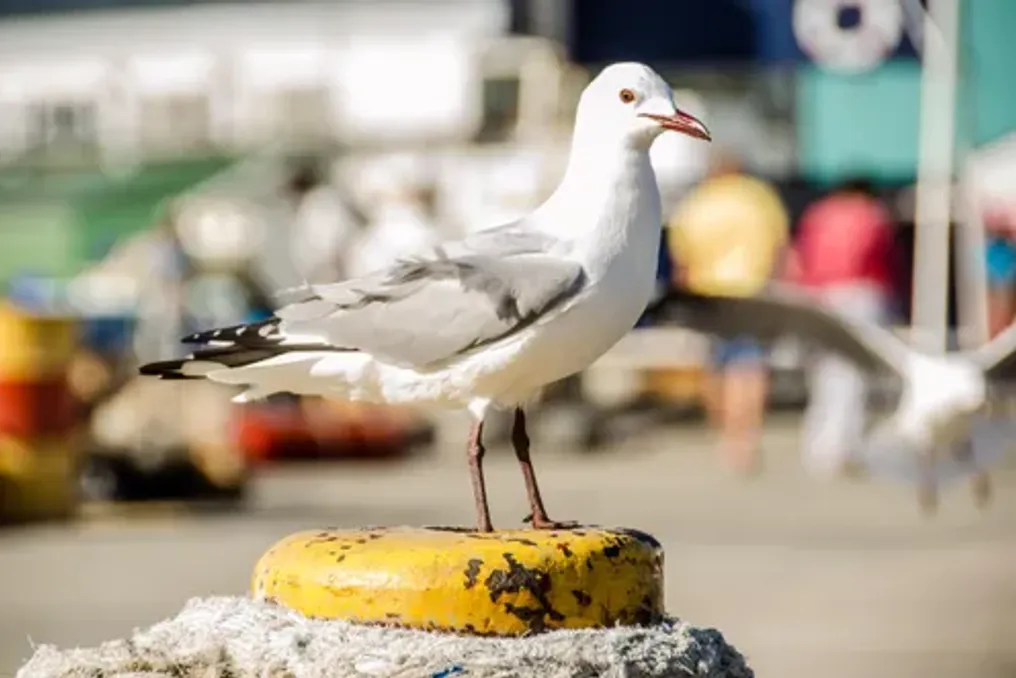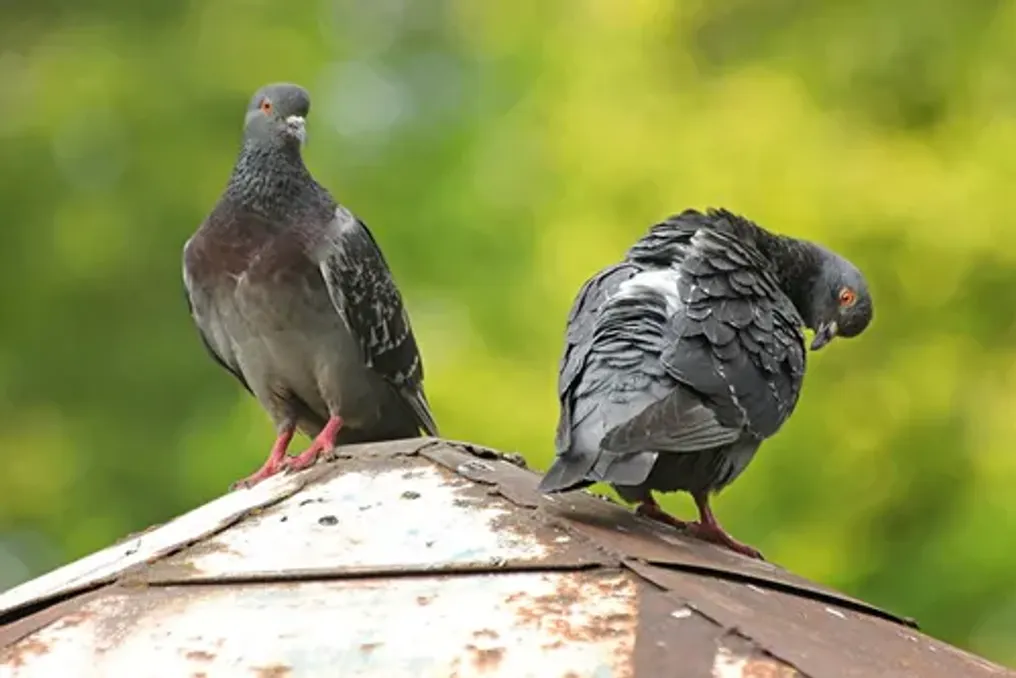
A Durbanville resident faced potential fines under the Cape Town City By-law on animal keeping after receiving a notice for feeding birds directly from the ground in her garden.
Reason for Complaint and Resident's Reaction
The situation arose after a neighbour filed a complaint, deeming the woman's actions a threat to health and the environment. The woman, whose name is known to Cape Argus, publicly posted the received notice on the STOP CoCT Facebook page. She stated that she had environmental inspectors and that the neighbour acted out of malice, trying to prevent her from feeding birds that came into her garden.
The woman told Cape Argus that she does not own birds, but merely feeds garden birds and pigeons. She also noted that she cannot discuss the matter as it is in the hands of her lawyer. According to Frances Hyam, a member of the municipal council for public services and health, the notice was issued to prevent further public health and environmental issues.
Requirements and Concerns
The specific case involved the uncontrolled scattering of bird feed on the property, which already had other identified ecological health problems, including rodents. Environmental Health Practitioners (EHP) issued the notice to stop the deterioration of the situation. They emphasized that their duty is to protect and promote public safety by acting against individuals or situations posing a risk to the well-being of others.
The notice itself stated that an inspection conducted on June 1, 2026, showed feeding birds directly from the ground, which is a violation of Section 28 (2) of the By-law (Animal Keeping By-law 2021). The notice required the violations to be rectified within 21 days and to cease feeding any wild animals not kept in captivity. Failure to comply could lead to a conviction and a fine.
Reaction from Politicians and Experts
This issue caused a stir in the city. Brett Herron, Secretary General of the GOOD Party and candidate for Mayor of Cape Town, warned that 'if you feed birds, you risk getting fined.' He stated that 'the Orwellian over-regulation of Cape Town has taken the next step, telling residents they can no longer feed wild birds in their own gardens,' adding that 'only cages qualify. Free birds are apparently a by-law violation. And if you feed these birds, you risk getting fined.'
In response to Herron's statement, Hyam called it 'an unfortunate attempt to deliberately spread disinformation and cause outrage where there is none.' Allan Perrins, Communications Manager for the South African Animal Protection Society, noted that this is done to protect wildlife and the public to prevent the spread of diseases. He advised that the most effective way to support wild birds is by planting local trees and shrubs that provide natural food, shelter, and nesting opportunities throughout the year, instead of artificial feeding.
Feeding Recommendations
The notice also contained information that if supplementary feeding is provided, only suitable food such as quality wild bird seeds, fresh fruits, and vegetables should be offered. Bread, dairy products, processed foods, salty snacks, and other unsuitable food can cause nutrient deficiencies or illness. Bird feeders and waterers must also be cleaned regularly to reduce the spread of disease. Municipal bylaws prohibiting feeding wild birds directly on the ground are intended to protect both wildlife and the public, as feeding on the ground attracts rodents and other pests, increases the risk of disease transmission, and can alter the natural behaviour of wild animals. A representative from Cape of Good Hope SPCA, Belinda Abraham, clarified that bird feeders are specifically excluded from the by-law concerning the keeping of wild animals.