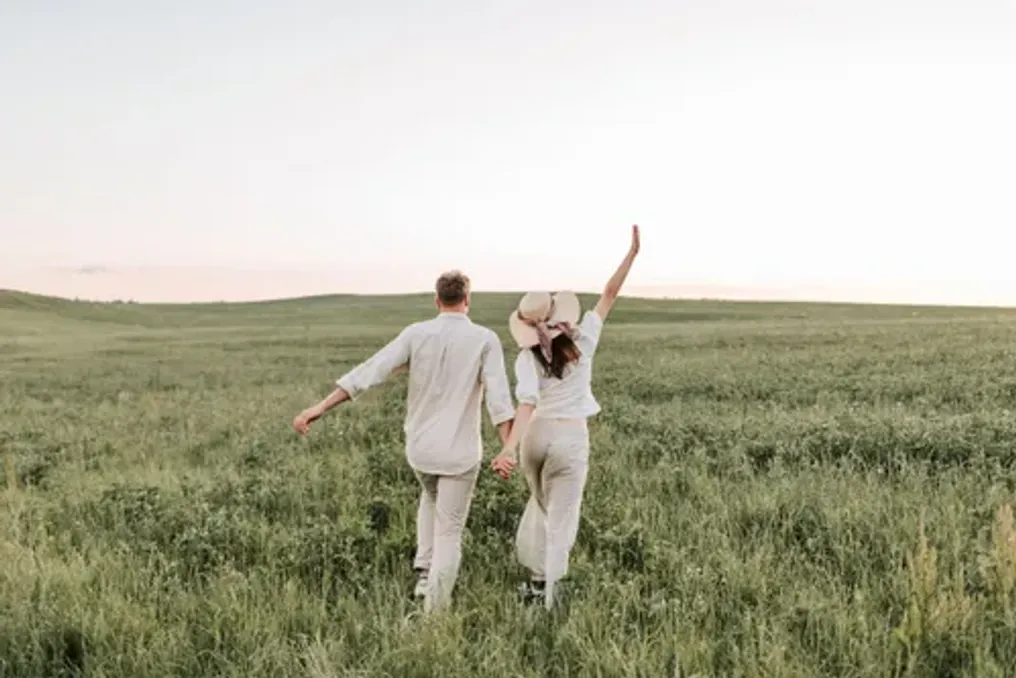
As more South Africans begin to adopt more mindful and healthy ways of connecting, wellness dates—such as hiking and paddle sports—are transforming modern romance.
Amid ongoing global cost-of-living crises and a growing focus on mental and physical health, a new trend is emerging: the wellness date. These outings center around activities that promote physical, mental, and emotional well-being.
Reasons for the Trend Shift
For South Africans, wellness dates are moving beyond a fleeting fad to become a reflection of budget constraints, an increased emphasis on a healthy lifestyle, and a desire for more meaningful connections. The hashtag #wellnessdate is actively discussed on social media, with users noting that they feel more energetic, calm, and healthy after such interactions.
These dates, whether romantic or platonic, are replacing the conventional format of dinner and drinks. Instead of visiting bars or restaurants, couples and friends are choosing activities that encourage movement, mindfulness, or self-care. Thus, wellness dates are supplanting the traditional dinner because more South Africans prioritize well-being, genuine connection, and shared experiences.
Examples and Cultural Shifts
Examples of these activities include sunrise hikes, attending yoga or Pilates classes, spa visits, walks in botanical gardens, joint meditations, cold water swimming, scenic bike rides, cooking healthy meals, visiting farmers' markets, and playing paddle or pickleball.
Experts point to several cultural shifts underpinning this trend. One key factor is that well-being has become part of many people's identity. Many now prioritize nutrition, exercise, sleep, and mental health and seek partners who share these values, naturally leading them to choose dates that align with their lifestyle.
Expert Opinion on the Connection
Nicola Bentley, a nutritionist from South Africa, believes that the popularity of wellness dates reflects a broader shift in people's expectations of relationships. She notes: 'We are witnessing a wonderful transition toward experiences that truly nourish us. People crave connection, presence, and a slower, more intentional way to spend time together.'
According to her, whether it's a hike, a Pilates class, a paddle session, or just a walk in nature, these activities pull one out of the rush of thoughts and bring them back to the body. They create space for natural conversation, laughter, and shared moments that often feel more authentic than sitting at a dinner table.
Bentley emphasizes that the concept of wellness extends far beyond diet and exercise. She argues that people are beginning to understand that wellness is not just about what we eat or how we train, but also about the quality of our relationships and how we feel around loved ones. Choosing activities that leave us energized, connected, and alive is a wonderful way to support both our own well-being and our relationships.
Lifestyle Influence and Psychology
Furthermore, research indicates that Millennials and Gen Z consume less alcohol, as young adults increasingly embrace a 'mindful sobriety' lifestyle. This makes alcoholic dates less appealing. There is also a universal desire to forge a real connection and share experiences. Wellness dates often facilitate deeper conversations than dinner, and the cost factor also plays a role, as many of these activities, especially outdoors, can be significantly cheaper than lavish dinners.
Lifestyle psychologists point to several benefits. Physical activity releases endorphins, helping people feel happier and more relaxed. Shared experiences also strengthen bonds through novelty, and walking side-by-side often feels less intimidating than constant eye contact over dinner. Experts have also observed that wellness activities can reveal more about a potential partner's personality than a formal meal.
Bentley agrees, stating that shared movement and mindfulness can strengthen relationships by helping people become calmer and more present. She says: 'One of the most powerful things we can do for our relationships is regulate our own nervous system. When we feel calm, resilient, and present, we naturally become more patient, compassionate, and emotionally available.'
In her view, movement, time in nature, mindfulness, yoga, or even a few deep breaths can help people move out of a state of chronic stress into a state where connection feels easier and more genuine. Physiologically, movement also releases pleasure-inducing chemicals that boost mood and sustain connection, while mindfulness helps us be more present with ourselves and each other.
Integration into South African Life
Wellness dates fit organically into the South African lifestyle due to the country's culture of outdoor recreation. Potential date ideas include sunrise walks along the Cape Town waterfront, hikes in Walter Sisulu National Botanical Garden or nearby reserves, picnics in the same garden, beach yoga sessions in Durban, running or walking clubs in Johannesburg, weekend trips to farmers' markets, couple's spa treatments, and the growing popularity of paddle matches across the country.