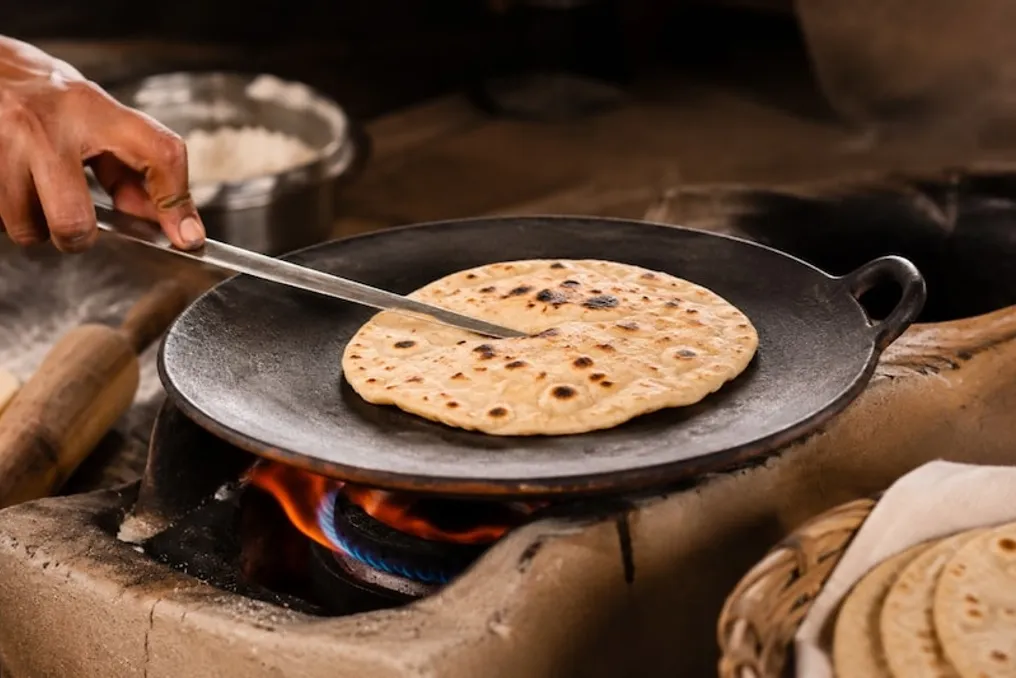
In Hinduism and Vastu Shastra, the kitchen is considered the most sacred place in the home because it is inhabited by the goddess Annapurna. Cooking in this room is directly related to our health and financial status. Often, we unknowingly make mistakes while making roti, which can anger the goddess Lakshmi, leading to want and poverty in the house. It is important to know the special rules that should be followed while preparing roti.
Rules for Working with Dough
In today's fast pace of life, many people save time by kneading dough in the evening and storing it in the refrigerator for later use in the morning. However, according to Vastu Shastra, such an action is considered extremely inauspicious. When kneaded dough remains for a long time, it takes on the form of a lump, and the influence of Rahu and Ketu, as well as negative forces, intensifies upon it.
Risks of Consuming Stale Dough
Consuming roti made from stale dough contributes to mental tension, laziness, and illnesses among family members. In a home where old dough is regularly used, the goddess Lakshmi leaves, offended. Therefore, roti should always be made from freshly kneaded dough.
Special Rules for the First and Last Roti
When the hot stove is ready for use, the first roti should not be given to any family member. According to ancient scriptures, the first roti should be intended for the cow. It should be offered a small amount of ghee, raisins, or sugar. It is believed that thirty-three billion deities reside in the cow; feeding the cow the first roti appeases ancestral sins and eliminates planetary imbalances, bringing happiness and prosperity to the home.
Similarly, it is important to follow the rules for the last roti. The last roti should be given to a black dog or any other dog. Feeding the dog the last roti helps eliminate the negative influence of Shani, Rahu, and Ketu, preventing misfortunes that may occur in the house.
Reasons for Goddess Lakshmi's Displeasure
There are several actions that cause the displeasure of the goddess Lakshmi. Firstly, one should not spray water directly onto a hot pan; the sound of sizzling is considered very inauspicious in Vastu, as it may foreshadow illness or mourning. To cool the pan, it should simply be left alone.
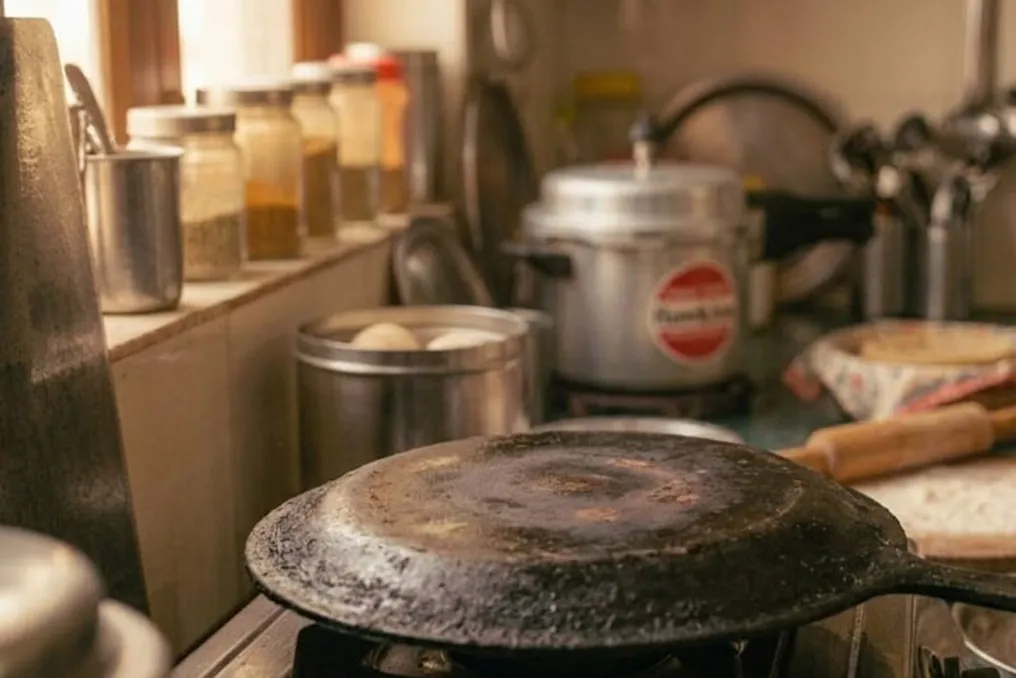
Secondly, after baking the roti, the empty pan should not be left on the gas stove or hearth. As soon as the work is finished, the pan should be removed from the heat and put away.
Thirdly, using a dirty or inverted pan is harmful. Some people cook roti in the evening on the same pan they used in the morning without washing it. This directly increases Rahu-Dosha. The pan must always be kept clean and shiny, but it should not be scratched with sharp objects. Furthermore, the pan should never be placed upside down, as this leads to sudden loss of money in the house.
Finally, when preparing roti for family members, one should not count their number. Such an act diminishes respect for food and leads to a loss of well-being in the home.