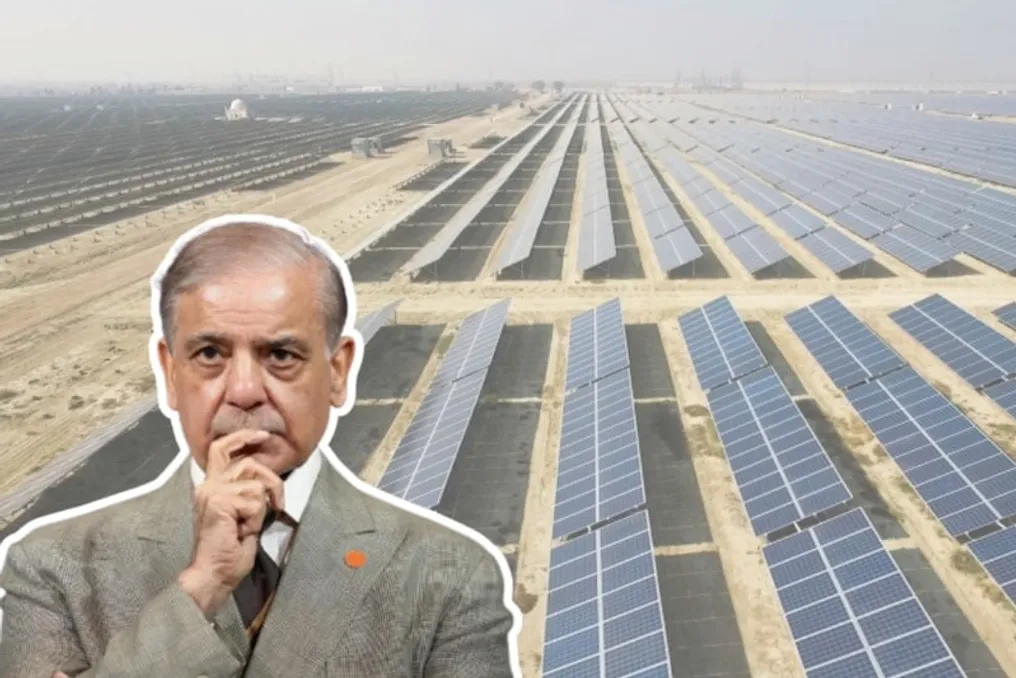
The World Bank has provided financing of $375.9 million to strengthen Pakistan's energy infrastructure and promote the use of clean energy. These funds are designated for a project aimed at increasing the stability of Pakistan's grid, which is the first phase of a large-scale ten-year program called 'Best-Pak.'
Project Goals and Energy Challenges
The main objective of this project is to reduce power outages, modernize the transmission system, and ensure access to renewable energy sources in residential homes, shops, and industrial facilities. Bolorma Amgabazar, Director for Pakistan at the World Bank, noted that the country's energy difficulties are closely linked to its economic situation. She emphasized that investments in a reliable transmission system will lead to lower electricity costs and allow more renewable energy sources to be connected to the grid.
Current State of the Energy System
Pakistan's energy grid has long suffered from instability and transmission interruptions, leading to daily power cuts for millions of people, rising energy prices, and economic losses. The current project plans to install static synchronous compensators (STATCOMs) at three major 500 kV substations. Additionally, reactors and capacitor banks will be installed at 26 network substations.
Renewable Energy Potential
These improvements will enable the connection of 640 megawatts of wind energy in southern Pakistan, ensuring the full realization of the existing wind generation potential of 1840 megawatts there. The project will also help integrate private sector renewable energy projects with a capacity of about 491 megawatts into the grid.
Environmental and Strategic Benefits
Thanks to these transformations, Pakistan will move closer to its goal of having 60% of its electricity supplied by renewable sources by 2030, aligning with the goals of the Paris Agreement. It is estimated that the project will reduce carbon emissions by approximately 832,500 tons annually, equivalent to over 28 million tons over 25 years. Walid Saleh Alsuwaiekh, a lead energy specialist for the 'Best-Pak' program, stated that this project will pave the way for large-scale adoption of clean energy, strengthening energy security and creating a modern transmission system, while also supporting the restructuring of the National Transmission and Despatch Company (NTDC).
Climate Risk Resilience
Since Pakistan is among the countries most vulnerable to climate threats such as floods and extreme heat, the new facilities will be designed on elevated platforms and capable of operating at temperatures up to 55 degrees Celsius to guarantee uninterrupted power supply during monsoon and hot seasons.
Historical Cooperation with IMF
Pakistan has been a member of the World Bank since 1950 and has received over $51.2 billion in assistance from it. Currently, the World Bank is implementing 52 projects in the country with a total value of about $16.9 billion.