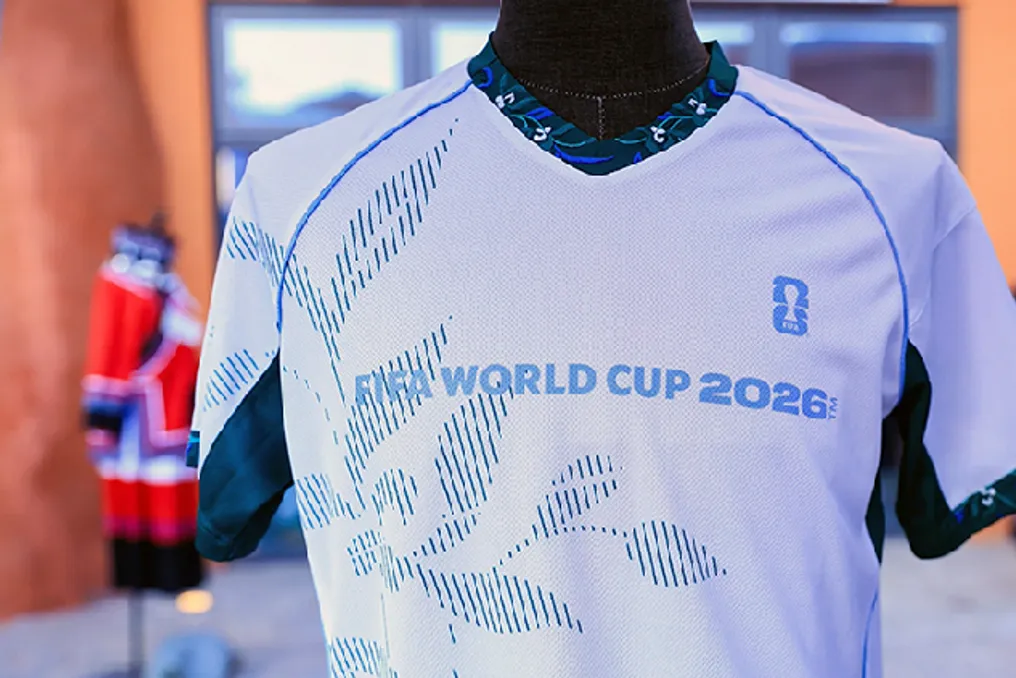
China's national craft—Yi embroidery, which spans centuries—has made its debut in the official licensed merchandise program for the FIFA World Cup. This allows one of the country's traditional folk crafts to be presented to fans worldwide at the 2026 tournament.
Production and Collaboration
Artisans from Nanhua County, Chuxiong Autonomous Prefecture in Yunnan Province, southwestern China, are working on a special order of merchandise for the World Cup. This product will be sold through official FIFA online and retail channels. The collaboration covers 30 items across 11 series, including bags, caps, and silk scarves, with the total order volume amounting to 830,000 yuan (approximately $114,000).
History and Craftsmanship of Yi Embroidery
Yi embroidery has a history of about 1800 years and is recognized as a national intangible cultural heritage of China due to its intricate patterns and unique stitching methods. Designers have adapted traditional Yi motifs for modern items while preserving the hand techniques that give each piece a unique character.
Technical Features of the Project
Chen Haiyang, one of the designers from the Yi embroidery cultural and creative direction, noted that the project required the application of the team's most advanced techniques. She explained that some items needed double-sided embroidery on thin mulberry silk, and the caps combine lock stitch, seed stitch, spiral stitch, and edge stitch methods to create durable three-dimensional designs unattainable by machine embroidery.
Significance for Artisans
The collection includes a notebook featuring a traditional Yi sun pattern, executed using seed stitch to emphasize texture and design mastery. Preserving these techniques while meeting the quality standards required for official World Cup merchandise has been a significant challenge for the artisans. For the embroiderers themselves, this partnership is not only a commercial opportunity but also an international platform for a craft passed down through generations, allowing traditional Chinese culture to reach a global audience through one of the world's largest sporting events.