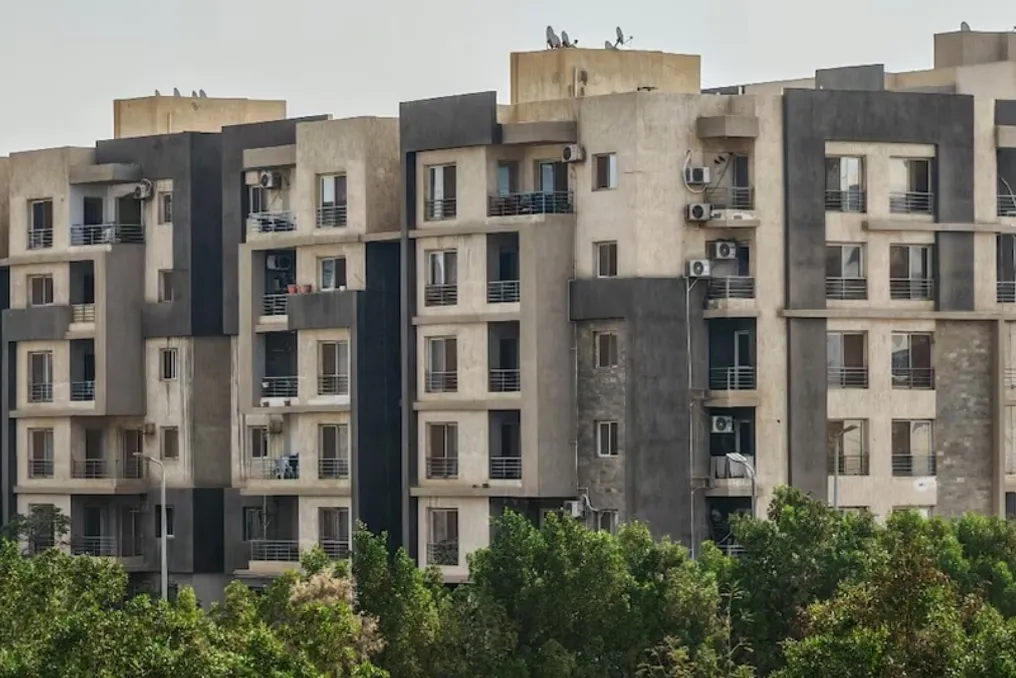
If you are planning to buy or sell a home, it is crucial to familiarize yourself with certain aspects, otherwise serious financial consequences may arise. Especially for India, understanding the rules regarding Tax Deducted at Source (TDS), PAN number, Goods and Services Tax (GST), and Stamp Duty before purchasing new housing is relevant.
Mortgage Loan Provisions
Furthermore, when obtaining a mortgage loan, you should study information about future tax benefits in advance. Below are some rules that may be useful in this situation.
Tax Requirements for Large Transactions
According to Section 194-IA of the Income Tax Act, when purchasing property worth ₹50 lakh or more, the buyer is obligated to deduct 1% TDS when paying the seller. The deducted TDS must be deposited into the government treasury within 30 days after the end of the month in which the payment was made, using Form 26QB. Failure to comply with this requirement may result in penalties and interest charges.
Rules for Foreign Investors and Identification
When purchasing property from a Non-Resident Indian (NRI), obtaining a TAN number is no longer required; the buyer can independently deduct and remit TDS using their personal PAN number. As per Rule 159 of the Income Tax Act, providing a PAN card is mandatory for real estate transactions. It has been proposed to increase the limit for mandatory PAN submission from ₹10 lakh to ₹20 lakh for the convenience of small buyers and first-time homebuyers.
Taxes and Payments When Buying a Home
If fully ready or secondary housing is purchased, GST is 0%, meaning it is not levied. However, if the house or apartment is under construction, 1% GST applies for affordable housing up to ₹45 lakh and 5% GST for standard homes. Regarding cash transactions, according to Section 269SS of the Income Tax Act, a significant penalty is prescribed for transferring an earnest money deposit or down payment of ₹20,000 or more in cash, as the government has set the cash transaction limit at ₹20,000.
Benefits and Expenses Upon Purchase
When taking out a mortgage loan to purchase a home, besides receiving the loan at a reduced interest rate, you can avail tax deductions under the old tax regime. You can claim an annual deduction of up to ₹200,000 on home loan interest for self-occupied property. Additionally, you can receive a deduction of up to ₹150,000 annually on principal repayment. Stamp duty upon purchasing a home may vary in each state but is usually between 3% and 8%. Registration costs amount to up to 1%. Stamp duty and registration fees paid upon property registration can be included in the overall limit of ₹1.5 lakh under Section 80C in the year they were paid. Women receive a discount on stamp duty ranging from 1% to 2%.