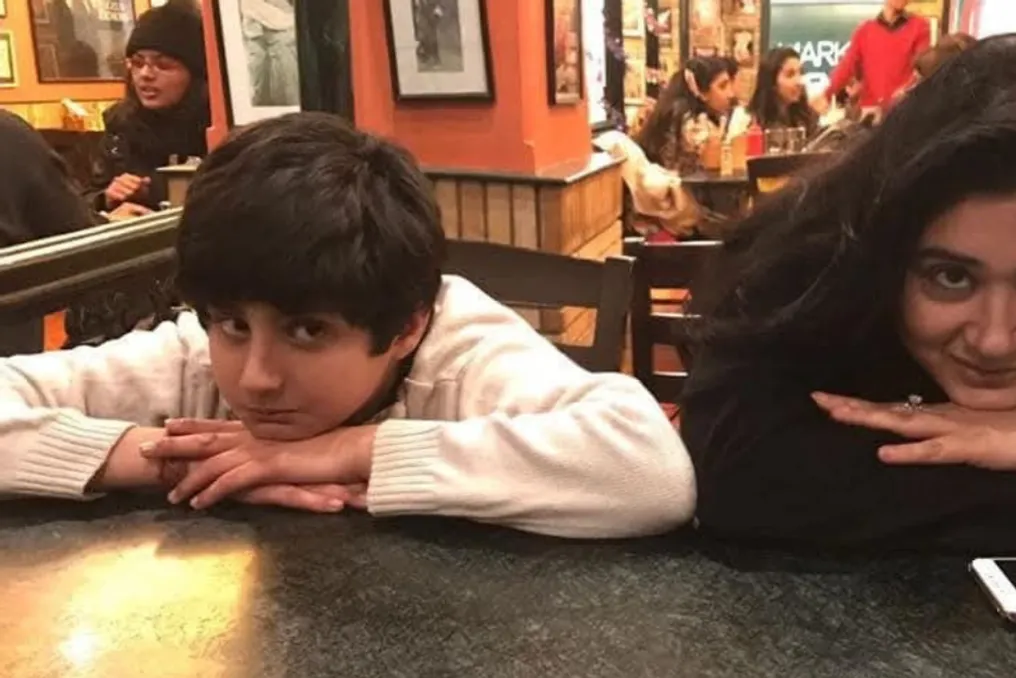
The story began in late 2008 when Neha Tandon, aged 26, received a report that changed her life while heading to work in Noida. After months of visiting various doctors seeking answers about her son Maahir, who was beginning to lose previously acquired skills, she opened the document in her car. It confirmed that two-and-a-half-year-old Maahir had been diagnosed with severe autism.
Early Signs and Diagnosis
Maahir was born on June 30, 2006. The first two years of his development passed without any deviations: he reached all age milestones, spoke, and interacted with those around him. However, changes then began. He smiled less, avoided eye contact, and gradually lost his speech. Neha felt that something had changed, although others did not notice.
It later turned out that her son had regressive autism—a form where a child loses learned skills. At the time, the topic of autism was rarely discussed in most homes. After long searches for answers, including consultations and examinations, the final diagnosis was made for her in late 2008.
Shifting from Training to Relationships
Upon receiving the diagnosis, Neha paused her career in media sales, focusing entirely on her son. This period was exhausting and all-consuming. She was obsessed with intervention, trying to 'fight the diagnosis' through constant teaching and training. However, the more she insisted, the more withdrawn her son became, and he started experiencing anxiety when her approached.
A turning point came during a consultation with a therapist in the United States. She was advised to step away from intensive training. The therapist explained that Maahir no longer associated his mother with comfort because every interaction had turned into a lesson or a demand. Neha decided to change focus: instead of filling every moment with therapy, she began rebuilding a relationship with her son, dedicating time to watching movies together, traveling, and playing. She realized: 'if he cannot enter my world, I can enter his.'
Fighting for the Right to Inclusion
As her son grew older, Neha faced the problem of exclusion. At the age of two, he was asked to leave a prestigious preschool due to his behavior. Later, despite promises of integration, he spent most of his time in a separate room for children with autism. For three years, she fought for the right to participate in general activities such as music and painting.
The school administration refused, stating that priority was given to children with a higher chance of entering mainstream classes. This situation led Neha to take her son out of the school, convinced that 'inclusion is not charity; it is a right.' To prevent society from deciding where he belonged, she started taking him everywhere—to restaurants, airports, and on vacation. During trips across India and abroad, including Singapore, Hong Kong, and Disneyland, she saw examples of thoughtful inclusion.
Transforming Experience into Community Support
Around 2014, Neha began speaking openly about autism and inclusion as other parents started approaching her. She shared resources, such as educational materials and specialized tools that previously had to be imported due to their absence in the country. Her support grew from helping with materials to creating a space for mutual support among parents.
Neha became a trusted source of information and hope for many. For instance, Nitisha, a parent from Delhi, first met Neha in 2009. Nitisha noted that Neha was always ready to help and inspire positivity, saying that 'the situation may not change, but our attitude towards it can.' For Tina, whose 14-year-old son has been diagnosed with autism, Neha became a reliable advisor, honestly sharing what worked and what did not. Even when Tina's school recommended removing her son from the main class, Neha's support proved decisive.