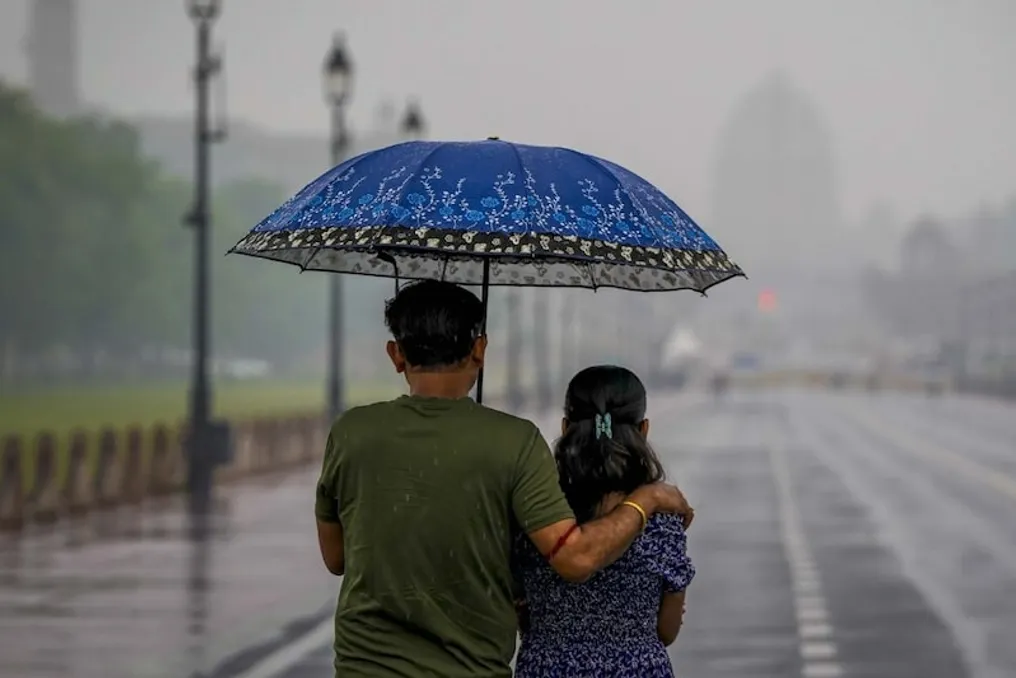
The first heavy rain in Delhi brought a double relief to the capital. On one hand, city residents felt a release from the intense heat and stuffiness, and on the other, the precipitation contributed to a noticeable decrease in air pollution levels.
Problems Associated with Rain
Nevertheless, rain in Delhi is always associated not only with relief but also with problems such as road flooding, traffic jams, and inconvenience for residents. When about 50 mm of precipitation fell in various parts of Delhi, roads often turned into bodies of water, cars got stuck in the water, vehicle breakdowns occurred, and people were stuck in traffic for long hours. This is why every monsoon season becomes a real test of Delhi's preparedness.
Government Preparedness and Control
However, this time the situation looked somewhat different. The Delhi government identified 40 flood-prone zones that traditionally caused problems during the rains. According to government statements, the flooding problem was largely resolved in 39 of these hotspots. Areas such as ITO, Mint Bridge, Jahira Underpass, and Delhi Sachivalaya, which attract media attention every year, did not appear in as critical a state this time as before.
To assess the effectiveness of the measures, PWD Minister Pravesh Verma personally visited the control room and monitored various parts of the capital around the clock through 179 CCTV cameras. Constant complaints about flooding were received at the control center. For every complaint received, a rapid response team was immediately dispatched to pump water off the roads and restore traffic. The PWD Minister admitted that flooding is still observed in some places, but these cases are being addressed on a priority basis to minimize inconvenience for the population in the coming days.
Other Challenges During the Season
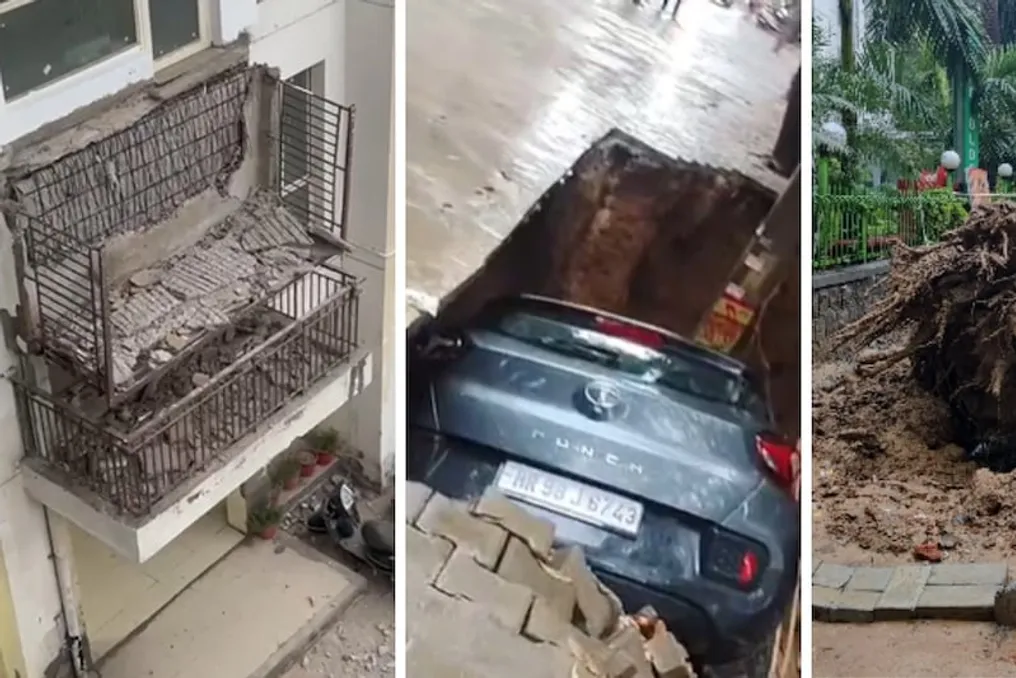
In addition to water problems, the rain brought other difficulties. In several areas of the capital, there were instances of trees falling. For example, in Ranjit Nagar, a tree fell onto a moving car, causing panic among local residents. Similarly, near the ISKCON temple in East of Kailash, a tree fell on the main road early in the morning, approximately between 3:00 and 3:30. Local residents stated that officials arrived at the scene late, after which work began to remove the tree.
Furthermore, flooding was observed on Mahouli-Badarpur Road and Shani Bazar Road in Sangam Vihar, creating difficulties for people's movement.
Conclusions on the Monsoon Season
This first rain of the season has been a serious test of the Delhi government's preparation. Although initial footage shows that the situation in many old flood zones has improved, some problems remain relevant. In the coming days, prolonged rains will determine how much Delhi can be relieved by the rainy season and what difficulties it will have to overcome.