The Emirate of Fujairah has always held a special place in the history of the United Arab Emirates' growth due to its coast, mountains, port, industrial base, and location on the east coast. While Dubai and Abu Dhabi continue to serve as global centers for business, investment, and lifestyle, Fujairah is increasingly being positioned as a complement to this growth through tourism, logistics, energy, residential expansion, and coastal living.
Strengthening Position Through Rail Connectivity
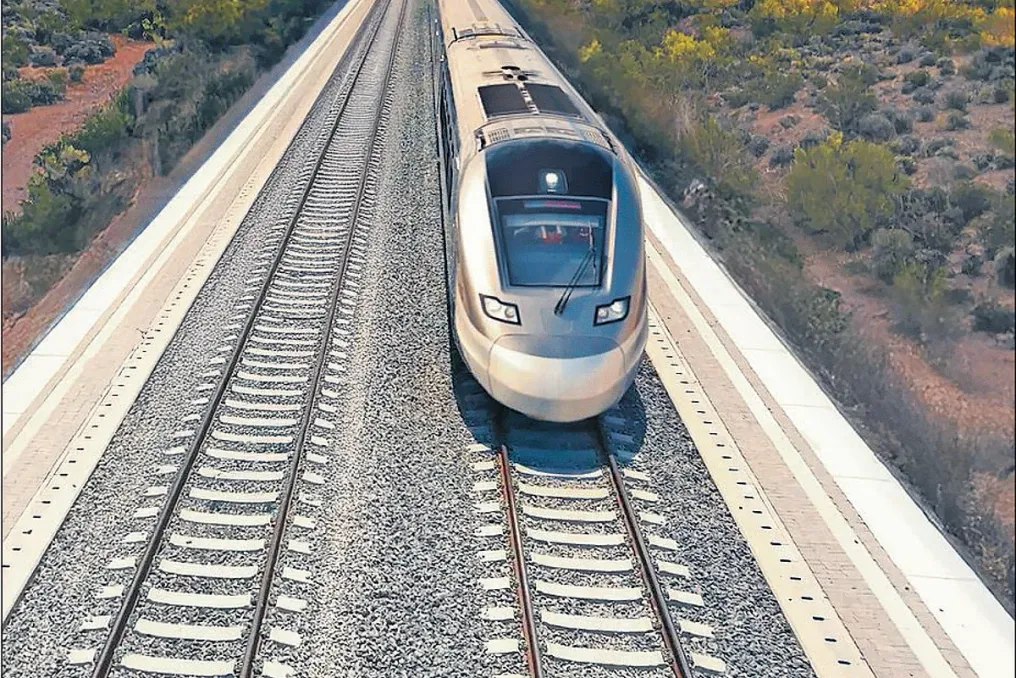
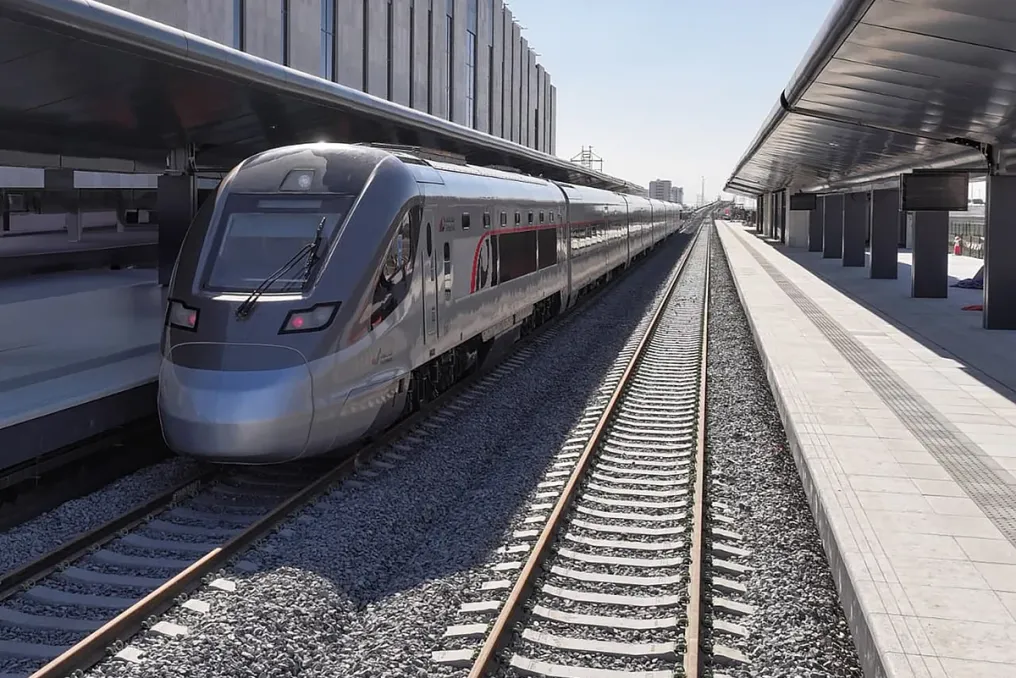
The Etihad Railway is capable of further strengthening this position. In the first phase of passenger service, it is planned to connect Abu Dhabi and Fujairah. The railway is expected to provide not just a new mode of transport but also to bring the east coast closer to the main corridors of population, business, and investment in the UAE, thereby enhancing Fujairah's role in the next stage of the country's integrated development.
Until recently, access to Fujairah largely depended on road transport. For residents, tourists, and investors, trips were based on highways, private cars, and weekend travel models. The Etihad Railway adds a new level of connectivity, making travel to the emirate more structured, predictable, and convenient.
Launch Schedule and Travel Time
The first phase of Etihad Rail passenger services is scheduled for June 30, 2026, connecting Abu Dhabi and Fujairah. The passenger rail network is expected to officially launch on September 30, 2026, with stations opening in Dubai and Al Dhaid on the same day. Stations in the Al Dafra region are set to open on December 30, 2026, and the station in Sharjah will complete the route on March 30, 2027.
This schedule is highly significant for Fujairah, as it places the emirate among the first beneficiaries of the UAE's passenger rail era, solidifying its standing in the next phase of transport-based development. The initial route from Abu Dhabi to Fujairah is projected to take about one hour and forty-five minutes, and from Dubai to Fujairah—about 69 minutes after full operation.
Shifting Perception and Practical Benefits
Such connectivity can change people's perception of Fujairah. A place traditionally reliant on road access may become part of a structured national transport network. For tourists, the emirate will be easier to visit, and for residents, it will be a more practical lifestyle option. For investors, it will transform into a market connected to the national movement, rather than just a location dependent on personal car journeys.
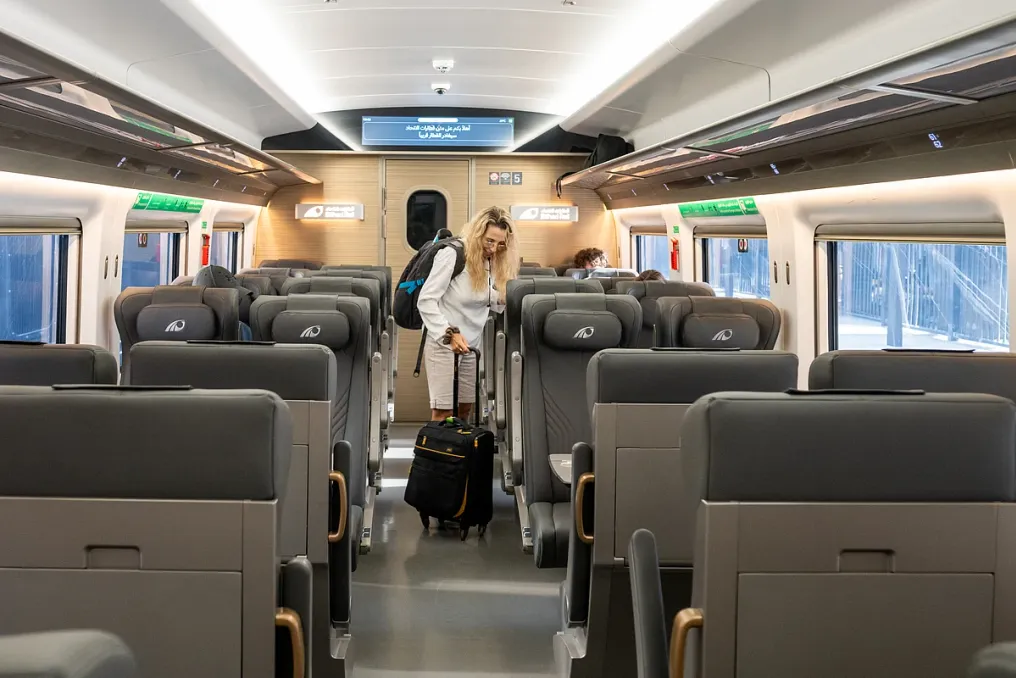
The most immediate change will be psychological, not just practical. The railway reduces the sense of distance, turning an intercity trip into a predictable journey with fixed time, guaranteed seating, and the ability to use travel time differently. Adhraa Al Mansoori, Executive Director of Commerce at Etihad Rail, noted that the most important value of using the train is to 'get your time back and have the opportunity to use it productively.' She added that business travelers, employees, and families can 'arrive at their destination rested and ready for the start of the day.'
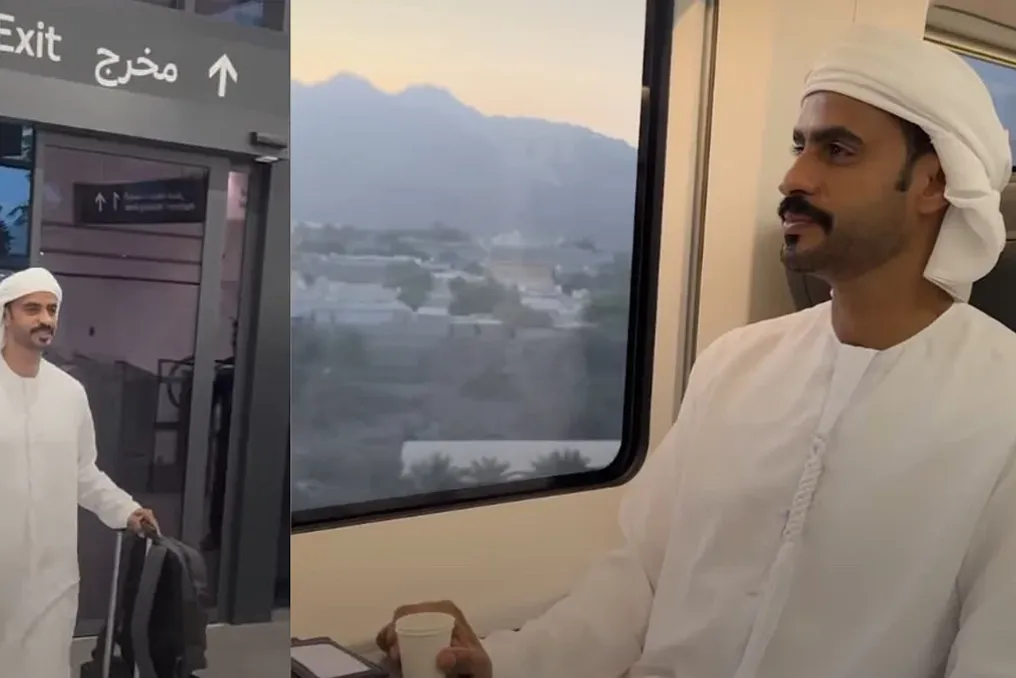
Residents easily understand this benefit. Arjan Kumar, an Abu Dhabi resident, stated: 'Etihad Rail feels like a huge relief for people traveling between Abu Dhabi and Fujairah. I no longer have to rely solely on driving. It will save time, reduce fatigue, and make the journey much easier.'
Impact on the Real Estate Market
This matters for the real estate market. People make property purchase decisions not only based on distance but also on how they perceive that distance. If a journey is tiring, unpredictable, and entirely dependent on road transport, the location seems distant. If it becomes comfortable, reliable, and productive, the same location can begin to feel accessible. For Fujairah, this could be one of the biggest advantages of Etihad Rail. It does not change the geography of the emirate; it changes how its connectivity is felt.
The Advantage of the Fujairah Station
The Al Hilal station is central to the history of Fujairah related to the railway. Etihad Rail has designated Al Hilal as one of the key locations for passenger stations in the national network, alongside Mohammed Bin Zayed City in Abu Dhabi, Jumeirah Golf Estates in Dubai, and University City in Sharjah. The broader passenger network is expected to connect 11 cities and districts across the UAE.
The location gives Fujairah a practical advantage: the station is near landmarks such as Umbrella Beach, Sakamkam Fort, and Fujairah International Airport, giving it the potential to serve residents, tourists, business travelers, and weekend visitors. The overall Etihad Rail network will span approximately 900 kilometers, from Guwaifat in the west to Fujairah on the east coast, linking cities, ports, and industrial hubs across the UAE.
Al Mansoori described the station as 'a gateway to everything Fujairah has to offer.' She emphasized that upon full operation, the station will be among the first to connect 11 cities and regions of the country, stimulating tourism, supporting business, and having an economic impact on Fujairah. This creates a clear opportunity for station-oriented development. Demand for real estate around strong transport hubs often begins with practical services: parking, taxis, buses, cafes, retail, and short-term accommodation. Over time, this can expand to residential complexes, serviced apartments, hotels, offices, retail, and mixed-use projects. The station itself will not automatically create a real estate boom; that would be too simplistic, but it gives developers and investors a stronger reason to study the surrounding area.
Projects Follow the Routes
Real estate rarely develops in isolation; it follows accessibility. Roads have driven growth around highway corridors. Metro stations have changed neighborhood values in Dubai. Airports have helped stimulate development around aviation, logistics, and hospitality areas. Now, the railway can have a similar impact on a national scale.
Marco Guarda, Head of Middle East Real Estate Sector at PwC Consulting, stated: 'We expect Etihad Rail to create and strengthen real estate corridors across the country. As people begin to use trains for travel or freight, demand for land around railway stations will increase—thereby raising land values and attracting investment.'
Guarda added that areas around stations are expected to become hubs for residential, retail, office, and hotel projects, as well as warehouses and distribution centers, catalyzing regional development. He noted that the Etihad station in Dubai could accelerate the development of the Dubai South corridor, while stations in the Northern Emirates are expected to attract passengers, tourists, and logistics companies. Over time, he said, tourists may begin discovering the UAE around the railway, increasing demand for hotels, serviced apartments, and leisure spots near the stations.
For Fujairah, this is particularly relevant. The possibility is not limited to one station or one type of development. A wider corridor around the railway line, access to the station, road links, tourist attractions, port activities, and nearby communities can become part of a broader investment narrative.
More Than Just a Weekend Trip
Fujairah is often valued for its beaches, mountains, and relaxed pace, which remains an important part of its appeal, especially against the backdrop of growing domestic tourism and the desire of UAE residents for short holidays. However, Fujairah's investment potential is broader than just leisure. The emirate is strategically important due to its port, energy, and logistics role. The Port of Fujairah, located on the UAE's east coast, is a major shipping hub and an economic link between east and west, supporting trade with the Indian subcontinent and North East Africa. It has also become a major oil storage and bunkering center.
This position has become even more significant as regional trade and energy routes remain under close scrutiny. Fujairah's location outside the Strait of Hormuz gives it a strategic role in oil storage, bunkering, and export activities, providing direct access to international markets without passing through a narrow waterway. The Etihad Railway reinforces this broader narrative. Improved connectivity can support not only tourists but also employees, businessmen, logistics operators, and investors viewing the east coast as a long-term growth corridor.
Growth in Residential Demand
One of the most significant long-term effects could be the impact on residential demand. Many UAE residents already live in one emirate and work in another. For many years, this model heavily relied on driving. The railway can make inter-emirate living more structured, especially for those who want more space, less density, or a calmer lifestyle while remaining connected to major employment centers.
Fujairah's appeal for housing is part of the broader diversity of living options in the UAE. It offers coastlines, mountains, open space, and a less hectic environment while maintaining a connection to the wider national economy. For some buyers and renters, this lifestyle has always been attractive. The problem was whether the location seemed too far from the rest of the country. The railway can eliminate this barrier. If the journey becomes predictable and comfortable, Fujairah can become more appealing to hybrid workers, families, second-home buyers, and residents who value a lifestyle while remaining connected to the UAE's main cities. Fujairah does not aim to compete with established UAE urban centers; its strength lies in offering something supplementary: coastal access, mountain scenery, logistical significance, open space, and a lower-density lifestyle, now backed by stronger national connectivity.
Enhancing Tourist Routes
The railway can also change how tourists and residents discover Fujairah. Currently, weekend trips to the emirate usually depend on private cars, which limits access for some visitors and concentrates tourist flows around road trips. Passenger rail can facilitate the inclusion of Fujairah in short trips, family tours, and multi-emirate itineraries. This effect can be particularly important for hotels, serviced apartments, beach resorts, mountain experiences, historical sites, and leisure businesses. A visitor who does not want to drive from Abu Dhabi or Dubai can still reach Fujairah by train comfortably. This directly relates to PwC's view that tourists may gradually change their approach to exploring the UAE around the railway.