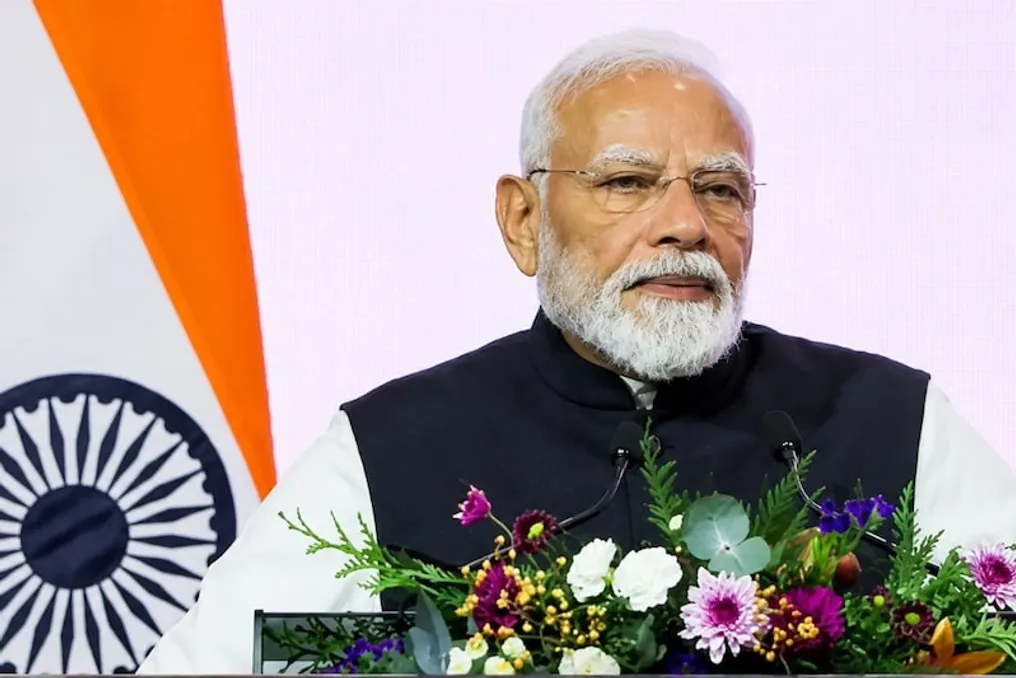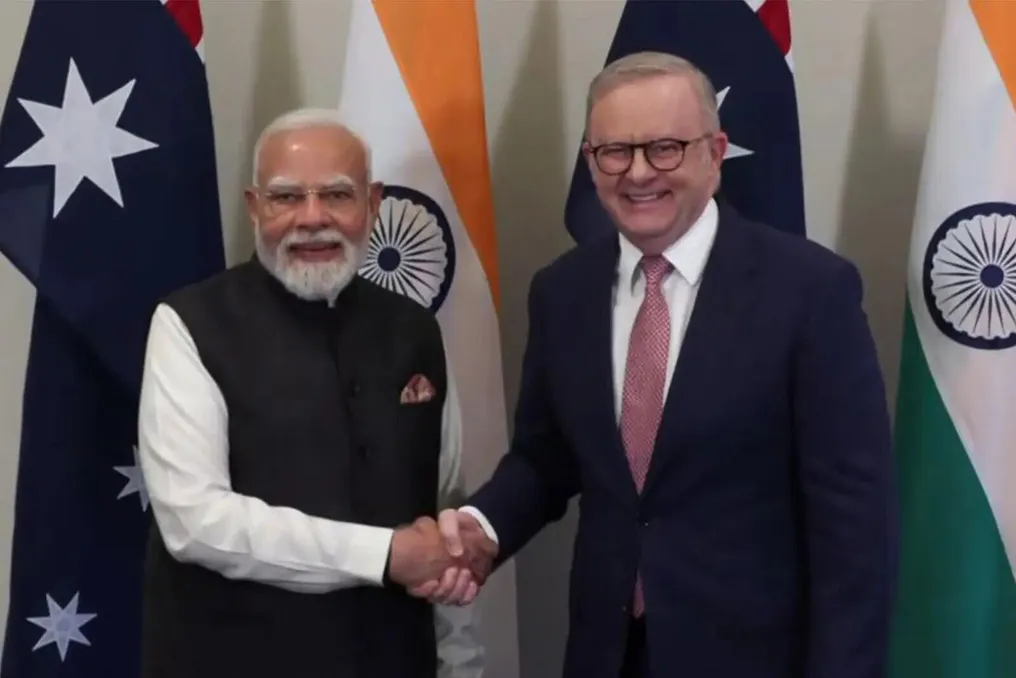
At the third annual India-Australia summit held in Melbourne, cooperation in defence and security, critical technologies, supply chain resilience, and energy security were on the agenda. Key issues included finalizing administrative arrangements for long-term uranium supplies to India.
Agreements on Cooperation and Economy
Prime Minister Narendra Modi and his counterpart Anthony Albanese reached an agreement to accelerate ongoing negotiations for a comprehensive and ambitious economic cooperation agreement, as well as a bilateral investment treaty. Modi, using a cricket analogy, compared the bilateral agenda of India and Australia to a one-day match, emphasizing the speed of decision-making similar to the T20 format and the depth of the partnership comparable to a Test match.
Among the 18 announced outcomes was a joint declaration on defence and security cooperation to ensure military interoperability and industrial defence interaction, as well as a roadmap for maritime security.
Establishment of PACTS and Nuclear Fuel
India and Australia established the Partnership for Cyber Security, Critical Technologies and Supply Chains (PACTS). The goal of this partnership is to support national and regional security, promote the strengthening of critical supply chain resilience, and enhance interaction in the areas of critical technologies, cybersecurity, and digital resilience. In his statement, Modi noted that PACTS will facilitate cooperation in critical minerals vital for strategic security and the transition to clean energy, and that both sides will work towards creating a critical minerals corridor.
One of the most important developments was the activation of the long-awaited Civil Nuclear Agreement between India and Australia from 2014, concerning uranium supplies to India. The Prime Minister stated that signing this significant nuclear energy agreement would pave the way for uranium supplies from Australia to India and give new impetus to India's clean energy goals. He also described India and Australia as natural and reliable partners amid global uncertainty.
Assurances and Political Statements
The joint statement confirmed support for India's application for membership in the Nuclear Suppliers Group (NSG). The agreement allows for the long-term export of Australian uranium to India exclusively for peaceful purposes and under IAEA control. Although fuel supply agreements were reached back in 2015, they were not implemented due to a lack of consensus on safeguards. Deputy Foreign Minister Vikram Misri called this agreement a powerful stimulus for India's clean energy goals, stressing the importance of reporting protocols satisfactory to both parties regarding the supply, handling, and accounting of material. Misri reported that after nearly two years of intensive discussions, both sides managed to reach mutual satisfaction on these issues.
Modi welcomed the opening of Australian university campuses in India, noting that this added a new chapter to the knowledge partnership, and that the sides would work to improve the exchange of students, experts, and tourists. Addressing concerns about delays in student visa processing, Albanese assured that Indian students in Australia are valuable members of Australian audiences, campuses, and communities. Modi emphasized that India and Australia are vibrant democracies and multicultural societies, as well as two significant ocean powers whose shared views inspire them to move forward with deep mutual trust. Misri later stated that Australia guaranteed no reduction in opportunities for genuine Indian students.
International Issues and Terrorism
The leaders also called for urgent reform of the UN Security Council, with Australia reaffirming its support for India's candidacy for a permanent seat on the Council. They unequivocally condemned terrorism in all its forms and manifestations. In the joint statement, the leaders denounced the 'horrific attacks' in Pahalgam and Bondi Beach, stressing the need for all countries to combat the threat of terrorism comprehensively and sustainably, and calling for action against globally banned terrorists and terrorist organizations, including those listed by the UN Security Council Sanctions Committee 1267. After the meeting, Albanese stated that Australia highly values India as a leading security partner, and the defence declaration reflects a shared commitment to a peaceful, stable, and prosperous Indo-Pacific region. The Australian Prime Minister added that they would strengthen strategic engagement, increase the complexity of their military exercises, and further develop interoperability between their armed forces, while committing to consult on Indo-Pacific defence matters affecting their common interests.