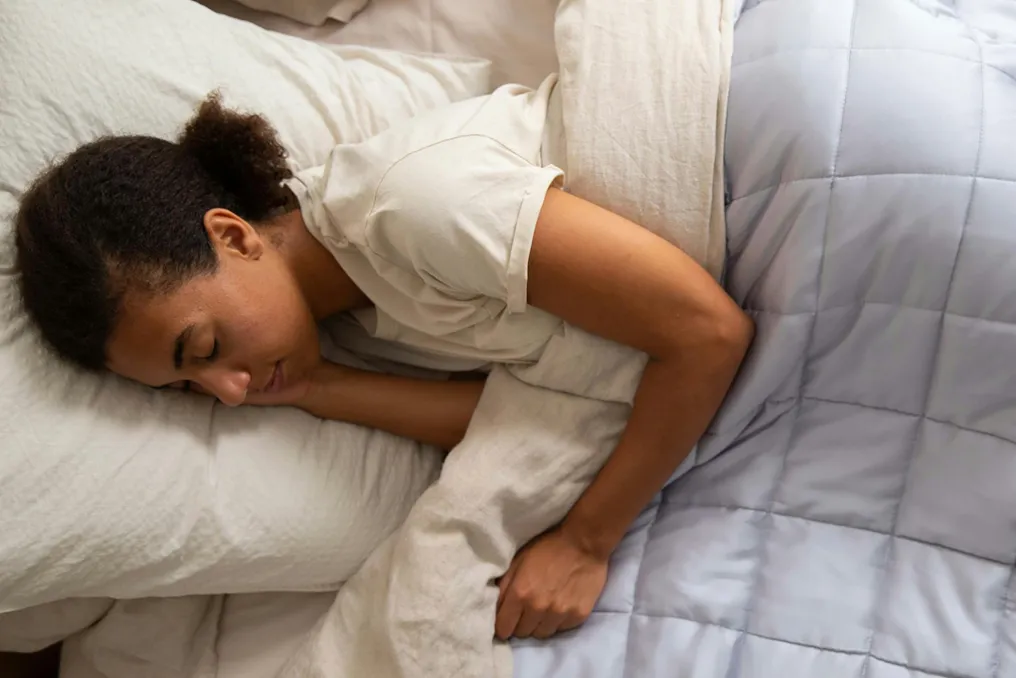
Although there is no ideal sleeping position, some postures can be more harmful, especially for people suffering from obstructive sleep apnea, reflux, or neck or lower back pain. Adjustments, such as sleeping on the left side and elevating the pillow, can help in certain cases. However, excessive focus on posture can become an additional source of anxiety.
Popular
Myths about lymphatic circulation
The discussion on social media went beyond, including claims linking certain positions to improved 'lymphatic' circulation. The problem is that many such posts confuse the lymphatic system, which is responsible for fluid drainage and immune response, with the glymphatic system, a mechanism described in the brain related to waste removal.
One of the most frequently cited studies, published in 2015 in the Journal of Neuroscience, was conducted on anesthetized rodents. The work compared glymphatic transport in the brain in different body positions and found greater efficiency in the side position. This finding suggests a possible link between posture and glymphatic system function, but the study did not evaluate sleeping humans or human peripheral lymphatic circulation.
Expert Opinion on Sleep
Therefore, recommendations for the general public remain unchanged. Neurologist Maira Onorato, a sleep medicine specialist at Einstein Hospital Israelita, states: 'There is no universally correct position. It depends on each patient's condition, comfort, and how they feel while sleeping.'
Effect of Posture on Breathing and Reflux
One of the main examples of posture's influence is obstructive sleep apnea, characterized by repeated pauses or reductions in breathing at night. For some people, episodes worsen when sleeping on their back. 'This position promotes collapse, airway closure, and breathing pauses during sleep,' explains Onorato. In this position, the tongue tends to fall backward, which can narrow the airway passage and exacerbate snoring and apnea episodes. Therefore, a medical evaluation can reveal so-called positional apnea, where breathing events occur more frequently or intensely when sleeping on the back.
A study published in 2016 in Sleep and Biological Rhythms revealed a similar association. The study analyzed adults without a clear diagnosis of obstructive sleep apnea and compared sleep parameters in different positions. Sleeping on the back was associated with worse indicators, such as a higher respiratory disturbance index and lower minimum oxygen saturation.
Sleeping in certain positions can also affect symptoms of gastroesophageal reflux. This condition occurs when stomach contents flow back into the esophagus, causing heartburn, burning, regurgitation, and discomfort. When a person lies down, symptoms can become more unpleasant because the body stops using the effect of the upright position to impede this upward movement. One piece of advice in such cases is to elevate the bed legs on the side where the head is, or to raise the pillow. The incline helps keep the upper body higher, which hinders the return of stomach contents to the esophagus at night. Sleeping on the left side can also help: due to the anatomy of the stomach and esophagus, this position generally makes it difficult for stomach contents to flow back. A systematic review with meta-analysis, published in 2023, studying research on sleeping posture and gastroesophageal reflux disease, indicated the left side as the position associated with the least acid exposure to the esophagus.
The recommendation to sleep on the side, especially the left, is also relevant for pregnant women, particularly in the later months. At this stage, the growing uterus can compress important vessels and affect maternal and fetal blood flow. 'In this position, there is less compression of the inferior vena cava by the uterus, which promotes adequate blood circulation,' explains the neurologist. 'But the most important thing is to avoid being too rigid. The pregnant woman should sleep in whatever position is comfortable for her.'
Pain Upon Waking and Posture
Posture during sleep is also considered when there is neck, lower back, shoulder, or other joint pain. In such cases, the posture can alleviate or worsen discomfort, depending on the individual's condition. 'One of the ten [technical term for lying position] to avoid is the ventral, on the stomach, because it really strains the cervical spine and increases the likelihood of neck problems,' warns pulmonologist Luciana Palmobini, a researcher at the Sleep Institute in São Paulo.
Sleeping posture can contribute to neck, lower back, and shoulder pain by altering the distribution of load on joints, the spine, and muscles over many hours. However, this link is not always direct: waking up in pain does not necessarily mean that the nighttime posture was the sole cause of discomfort. 'Stress, physical activity, sedentary lifestyle, emotional problems—all of this has a much greater impact on how a person feels discomfort while sleeping than the posture itself,' notes physiotherapist Italo Lemes, a researcher and professor at the Ensino Einstein physiotherapy faculty.
Some adjustments can help depending on the complaint. For example, people with back pain may benefit from support under the knees when sleeping on their back. Those who sleep on their side can use a pillow between their legs to improve alignment. For neck complaints, the main goal of the pillow is to support the neck in a neutral position, without excessive tilting up, down, or to the side. Those who sleep on their side usually need a slightly higher pillow capable of filling the space between the shoulder and head. Those who sleep on their back adapt better to medium-height pillows. Regarding the mattress, the specific technology is less important than comfort, individual adaptation, and the feeling of recovery upon waking. Medium-firm mattresses are usually well tolerated, especially by people with lower back problems, but there is no perfect model for everyone. Signs such as morning stiffness that resolves with movement, a feeling of pressure on one side of the body, tingling, numbness, or frequent awakenings to change position may indicate that the nighttime posture contributes to discomfort.