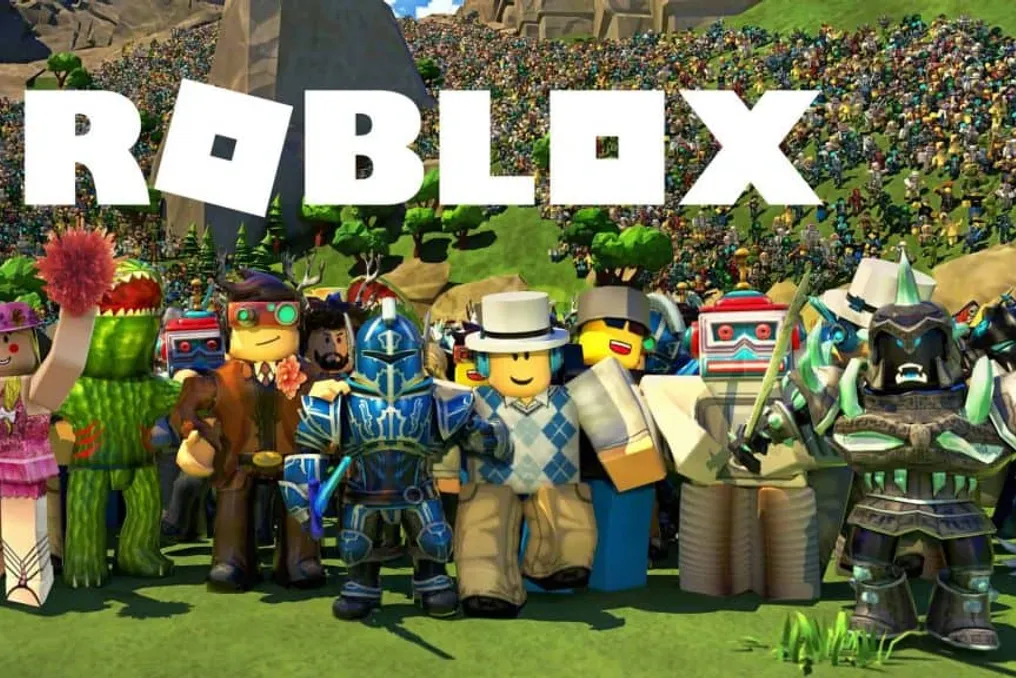
Minecraft and Roblox have evolved beyond mere games, establishing themselves as vast online entertainment platforms. Over more than a decade, these platforms have solidified into rich community and gameplay experiences, fundamentally driven by their innovative business models.
User-Generated Content (UGC)
The backbone of both Roblox's and Minecraft's business models lies in User-Generated Content (UGC). Instead of focusing exclusively on internal production, both platforms provide tools that empower players themselves to create and monetize their content. The possibility of earning financial rewards based on the success of their games is a major attraction, allowing for the formation of complex ecosystems inside and outside the game environment.
Roblox Business Strategies
In addition to UGC, Roblox employs several complementary tactics to transform the game into a massive digital platform, attracting a wide user base while generating revenue simultaneously.
Freemium Approach
Access to Roblox is free and already offers a wide range of experiences and games, including unlimited playtime, avatar customization options, and creation tools. Furthermore, all social features, such as messaging, groups, and contacting friends, are available at no cost. This methodology goes beyond merely attracting users; it cultivates a strong sense of belonging and community, making everyone feel like an active participant in the Roblox ecosystem.
In-Game Purchases and Virtual Economy
For those seeking more functionality, the game utilizes Robux, its virtual currency. With this resource, users can acquire exclusive items, special abilities, and premium content, as well as rare items and games created by other players. Robux can be purchased in various amounts, starting from R$17.90, catering to different budgets and ensuring a highly personalized experience. There are also premium subscriptions, which provide a monthly allowance of Robux and exclusive items. In addition to direct purchases and subscriptions, Robux can be obtained through trading items within the game and by selling games developed on the platform, further strengthening the sense of community and collaboration among players.
Advertising and Partnerships
Roblox's business model also generates revenue through advertising and partnerships. This allows developers to incorporate ads into their games, which can range from banners to sponsored events. Moreover, the platform establishes frequent collaborations with brands and other entities to promote their products or services, thus constituting another source of income.
Minecraft Business Model
Minecraft operates with a business model distinct from Roblox, combining direct sales with recurring revenue streams. However, this does not diminish the importance of UGC, which is the main factor in Minecraft's popularity and longevity.
Direct Sales
Representing the largest share of Minecraft's revenue, direct sales have achieved remarkable numbers for a game title. According to the game director, Agnes Larsson, over 300 million copies have been sold, a volume surpassed only by the game Tetris in the entire history of video games.
Marketplace and Microtransactions
Despite the relevance of direct sales, Minecraft also relies on other revenue streams, such as its marketplace. This space allows content creators and independent studios to sell maps, textures, custom skins, and even mini-games and complete worlds. The acquisition of these items occurs using Minecoins, virtual currencies purchasable with real money. This system not only stimulates UGC and the community but also delegates work to the community, keeping the marketplace constantly updated without the developer's intervention. Microtransactions are intentionally focused on cosmetic elements; that is, no purchased item grants a competitive advantage, only alters the game's aesthetics. This decision was crucial in winning the community's favor, differentiating it from competitors with Games as a Service models.
Subscriptions
Minecraft Realms implements a subscription system. For a monthly fee, it allows players to host private servers in the cloud, accessible to other players and across multiple platforms. Realms Plus expands this offering with a rotating catalog of marketplace items, including worlds, skins, and character creator items for up to ten simultaneous players. This feature has proven extremely useful for friends, family, and school groups, facilitating the maintenance of a shared world without the complexity of managing a private server.
Licensing and Merchandising
Minecraft extends beyond the realm of gaming through licensing. Partnerships with companies like LEGO have resulted in the launch of themed product lines, covering apparel, backpacks, action figures, board games, and cards, always preserving the game's recognizable visual identity and its adaptability to various media formats. In addition to physical products, there are spin-off titles, such as Minecraft Dungeons, a dungeon crawler aimed at all audiences, and Minecraft Legends, a simple real-time strategy game that attracts a significant portion of the audience.
Lessons from the Business Models
The business models of Roblox and Minecraft offer valuable lessons. Both prioritize UGC, primarily focusing on providing a fun and immersive experience, distancing themselves from many Games as a Service that rely on loot boxes or endless battle passes. They demonstrate how it is possible to harmonize commercial objectives with public interests. User-generated content acts as a catalyst for collaboration and a sense of community, ensuring a constant renewal of the experience without falling into monotony. This approach serves as a relevant case study for developers and publishers.