The International Union for Conservation of Nature (IUCN) released its first update to its lists for 2026. Special attention was paid to deep-sea mollusks living near hydrothermal vents. Experts estimate that 62% of these invertebrates are threatened with extinction due to seabed mineral exploration and extraction activities.
Changes in the status of pouched anteaters
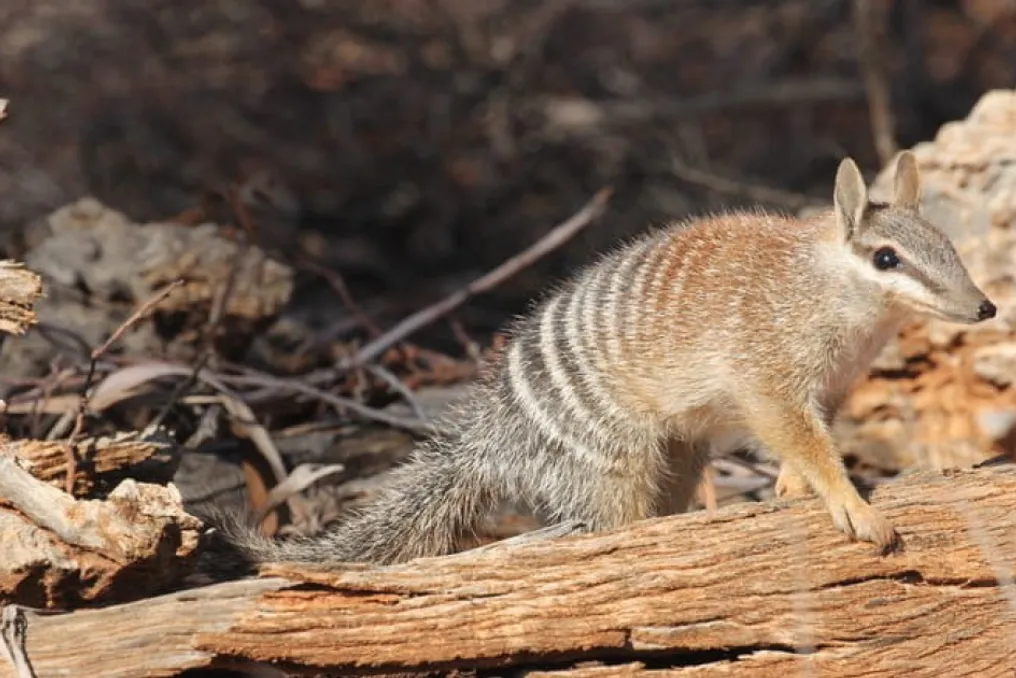
Conversely, the population and range of Australian pouched anteaters, previously threatened by invasive cats and foxes, have significantly increased thanks to conservation efforts. As a result, the status of this species has been downgraded from endangered to near threatened.
Overview of conservation categories
For over sixty years, the IUCN has been monitoring the status of tens of thousands of species—animals, plants, and fungi. The organization's specialists assign a specific conservation status to each species. The least concerning taxa belong to the Least Concern (LC) category. Less favorable species receive the Near Threatened (NT) status. The risk of extinction is assessed as high for taxa classified as Vulnerable (VU), Endangered (EN), or Critically Endangered (CR). There are also statuses such as Extinct in the Wild (EW), Extinct (EX), and Data Deficient (DD).
Annual data updates
IUCN staff annually update their lists, including new species and reviewing the statuses of already recorded taxa if there are changes in their populations or if previous assessments were incorrect. In 2025, updates were conducted twice: in March, attention was given to fungi, nearly 500 species of which received status, and in October, to green sea turtles (Chelonia mydas) and Arctic seals (improvement in the status of the former, deterioration of the latter).
Content of the 2026 update
The first update of 2026 was published on July ninth. It reviewed the statuses of numerous species, including mammals, turtles, frogs, fish (primarily freshwater species from the Middle East and members of the family Syngnathidae, such as seahorses), holothurians, mollusks, and flowering plants. In total, the organization's lists now include 175,909 species, of which 49,505 are considered threatened.
Successes in Numbat protection
One of the most significant changes concerned the numbat (Myrmecobius fasciatus), also known as the pouched anteater. These mammals feed exclusively on ants and termites. Previously widespread in Western and Southern Australia, their population sharply declined due to introduced cats (Felis catus) and common foxes (Vulpes vulpes), reaching about 300 individuals by the late 1970s. Thanks to protection measures initiated in the mid-1990s—including captive breeding, predator control, and reintroduction—the species has been saved. Currently, there are at least five self-sustaining populations, and the total population is estimated at 2,000–3,000 individuals. Consequently, the IUCN downgraded the numbat's status from endangered to near threatened, although specialists note that their current range constitutes only 0.04% of their historical range, and the threat from predators persists.
Extinction of Australian Pouched Species
The IUCN also assigned an extinct status to five species of Australian pouched animals (Bettongia haoucharae, Dasycercus cristicauda, D. archeri, D. woolleyae, and D. marlowi), which were identified during a recent taxonomic review. These animals have not been seen by zoologists for the last 60 years, presumably becoming victims of cats and foxes. Thus, the total number of Australian mammals lost due to human action and introduced predators exceeds 40 species, which is the highest figure on any continent.
Threats to Hydrothermal Mollusks
Concern is raised by endemic mollusks (gastropods, bivalves, and chitons) inhabiting hydrothermal vents. A new IUCN assessment shows that out of 201 known species of these invertebrates, 125 (62%) are under threat. The main reason is the exploration and planned mining of hard minerals on the seabed, which leads to the formation of a sediment plume that hinders the respiration and nutrient absorption of these organisms. Protection is complicated by the fact that many of them fall outside the jurisdiction of individual countries.
Climate and Economic Threats
In addition to oceanic threats, the need for minerals and new energy sources affects terrestrial species. For example, it is predicted that the population of the African narrow-headed toad (Breviceps macrops)—a small frog from the deserts of Namibia and South Africa—will decrease by 20% within ten years due to expanding diamond mining and infrastructure construction for hydrogen production. This is compounded by heat stress and droughts associated with climate change. Consequently, the status of B. macrops was upgraded from near threatened to vulnerable. The next IUCN list update is scheduled for November 19, 2026.
Additional Scientific Discoveries
Other scientific findings were also presented. Ichthyologists first provided a detailed description of the reproduction of the red needlefish, a little-studied fish inhabiting the southern coast of Australia. Observations showed that males carry the eggs, and they attach to the ventral side of the body before the anus, which is considered a primitive trait. Researchers hope that this data will help establish the phylogenetic relationship of this species, and the results were published in the Journal of Fish Biology.