The administration of the Fergana region is studying the possibility of implementing a new investment project aimed at converting agricultural waste into energy, in collaboration with the Belarusian state forestry export enterprise 'BELLESEXPORT'. The goal of the project is to process cotton stalks into biochar and produce clean thermal and electrical energy.
Negotiations and Cooperation
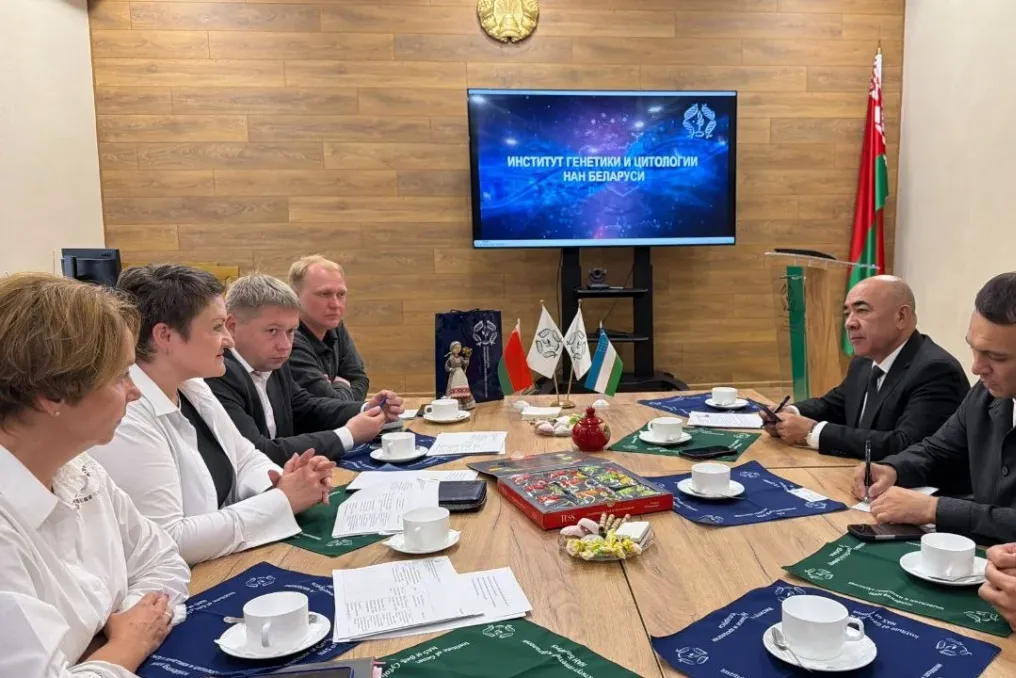
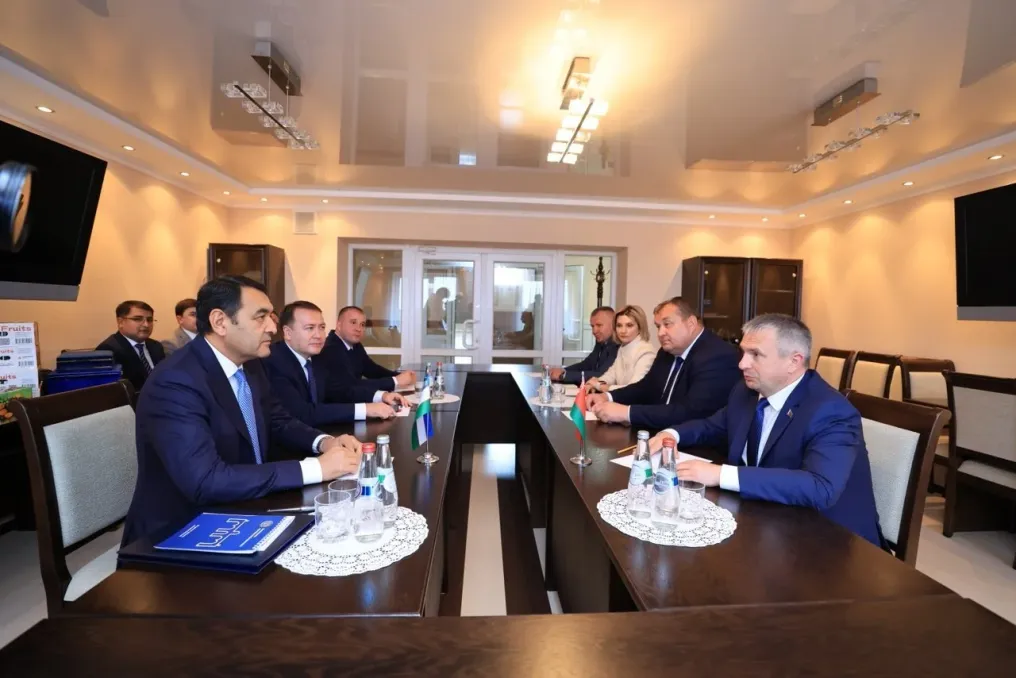
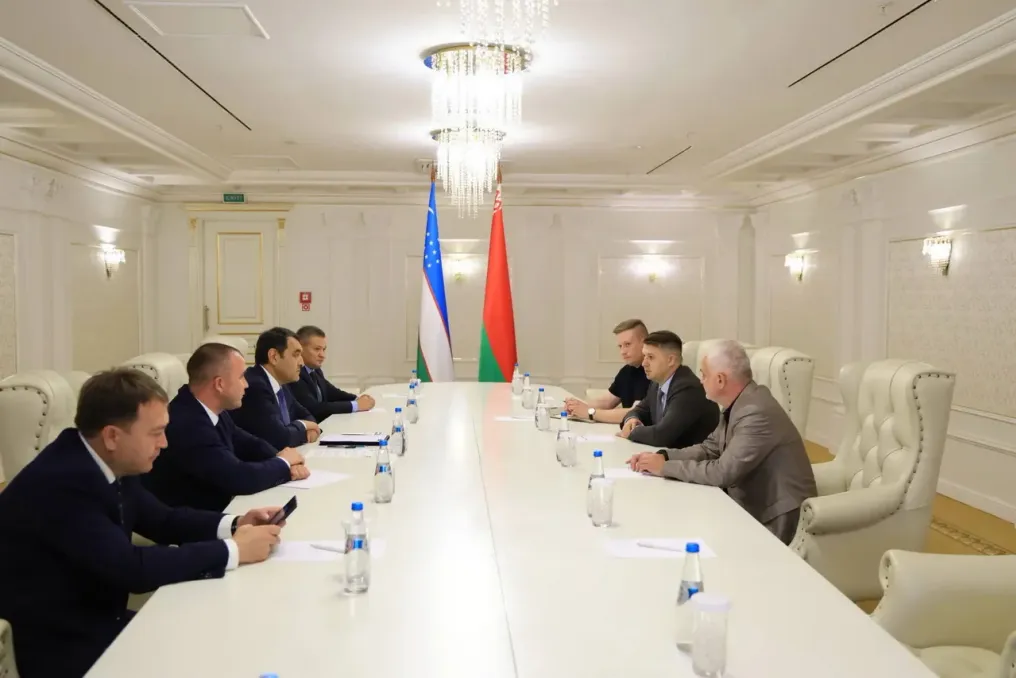
The framework for this green technology was discussed at the Third Forum of Regions of Uzbekistan and Belarus in Minsk. A working session took place between the Governor of the Fergana region, Khayrullo Bozorov, and the Belarusian delegation led by Sergey Matulin, Deputy Head of 'BELLESEXPORT'.
Utilization of Cotton Waste
The main focus of the discussions was on commercial methods for using cotton stalks, known locally as guza-paya, as primary raw material for high-value production. Thanks to the extensive cotton cultivation infrastructure in Uzbekistan, millions of tons of fibrous plant residues are generated annually, which are traditionally burned or used inefficiently, representing an abundant and inexpensive source of biomass for renewable energy needs.
Technological Process and Advantages
According to the proposed technical scheme, the raw agricultural waste will undergo controlled pyrolysis. This process will yield biochar—a highly stable carbon product widely used in eco-friendly agriculture to improve soil moisture, retain nutrients, and sequester carbon emissions. Simultaneously, the thermal gases and energy generated during the conversion will be captured for supply to regional heat networks and local electricity generation.
Readiness to Implement the Model
Governor Bozorov emphasized the significant reserves of raw materials in Fergana and the region's readiness to launch a pilot model of the circular economy. He confirmed that the administration is prepared to allocate land plots, provide regulatory incentives, and create optimal conditions for attracting foreign investment and launching industrial production.
Next Steps
At the conclusion of the meeting, both parties defined immediate parameters for conducting comprehensive feasibility studies.