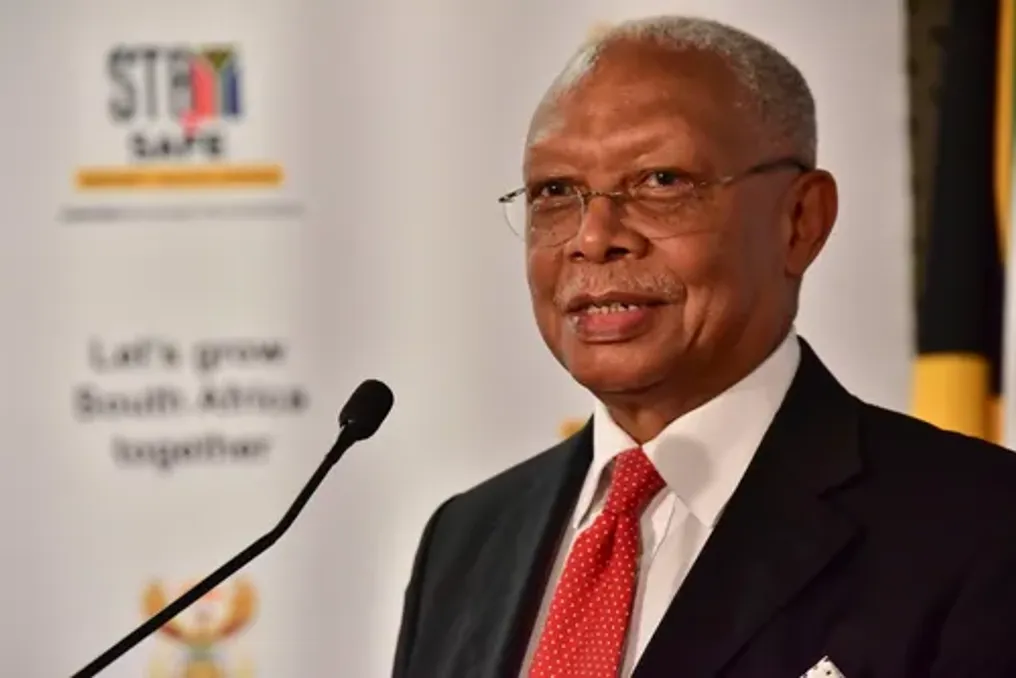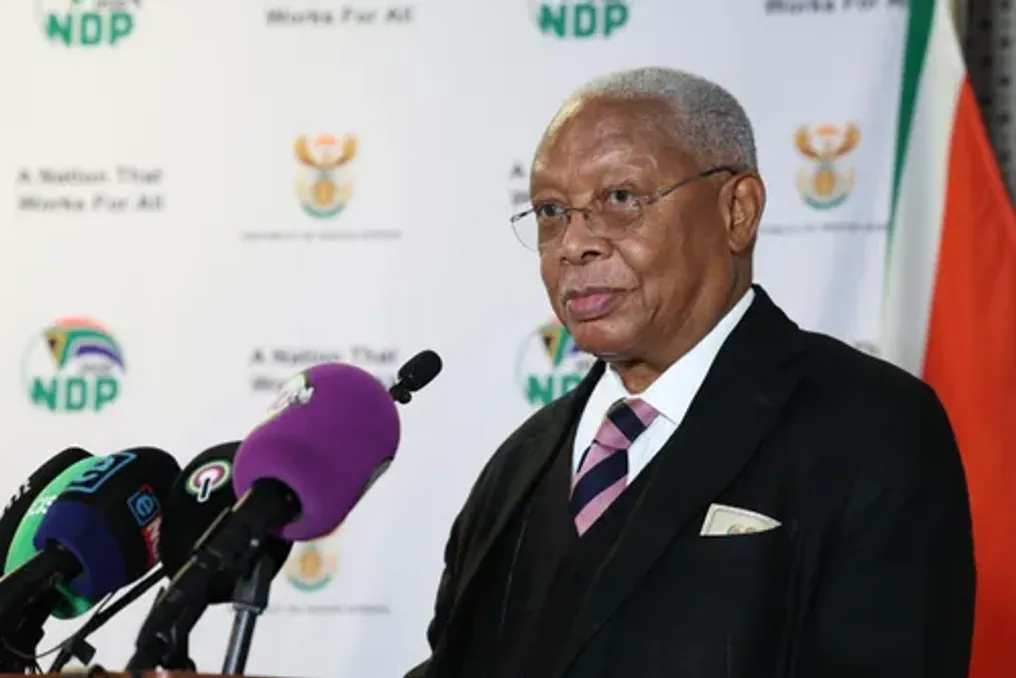
Health Ombud, Professor Taole Mokoena, presented the results of a joint investigation concerning several deaths of healthcare workers in KwaZulu-Natal public health facilities. These findings point to serious systemic problems within the region's healthcare system that require immediate resolution.
Investigation Findings on Deaths
The investigation was initiated following the death of young trainee doctor Aluluto Mazvi at Prince Mshiyeni Memorial Hospital. Initially, it was alleged that Mazvi was forced to work while ill and subsequently passed away, but the inquiry found this claim to be false. Professor Taole Mokoena reported that Mazvi fell ill in the hospital doctors' accommodation and was taken to the emergency department, where he was pronounced dead upon arrival. The probable cause of Mazvi's death was pulmonary embolism caused by deep vein thrombosis.
Clarification of the Situation
Dr. Imran Kika, a DA KZN representative for health matters, noted that the results clarified the situation that had caused widespread public concern. He also emphasized that the report exonerated healthcare workers and managers who were accused without sufficient evidence, including a senior clinical consultant who was suspended after Mazvi's death.
Other Cases and Conclusions
The investigation also examined other cases: the death of Dr. Tumelo Kgaladi, a 31-year-old doctor, at his residence outside duty at Addington Hospital, where it was found he had mental health issues and a request for the cause of death is pending. Cases of the death of radiologist Mvelo Sele at Port Shepstone Hospital from cardiac arrest during work, Dr. Siyabongi Zulu from Ngwelezane Hospital due to a road traffic accident, Dr. Francis Idiki from Vryheid Hospital from natural causes following an aortic rupture, and Dr. S.I. Ngidi, a community health worker at Benedictine Hospital, who committed suicide off-duty, were also studied.
Systemic Deficiencies in the System
According to Professor Mokoena, the investigation did not find evidence of a direct link between the deaths and workplace harassment, persecution, or adverse working conditions in any of the cases reviewed. Nevertheless, he warned that this does not mean the KZN health system is fine. The investigation revealed persistent staff shortages, frozen vacant positions, excessive workload, a deficit of medical equipment and consumables, infrastructure problems, insufficient employee well-being support, and safety issues affecting healthcare workers.
Calls to Action
Kika stated that the DA party has consistently raised such issues through parliamentary oversight, questions, and discussions with frontline workers. He added that reports continue to come in regarding excessively long working hours, acute staff shortages, overwhelming patient numbers, inadequate clinical provision, and a work culture in some facilities where junior staff are afraid to voice concerns. He insisted that the KZN Health Department must urgently implement the Ombudsman's recommendations and address the systemic weaknesses undermining staff well-being and patient care quality.