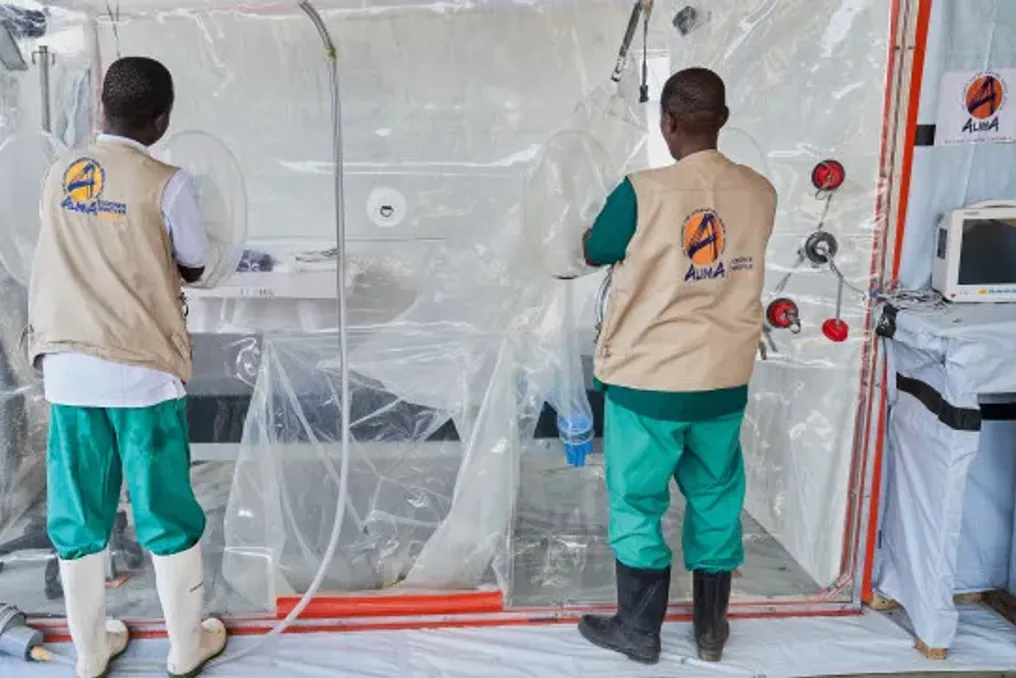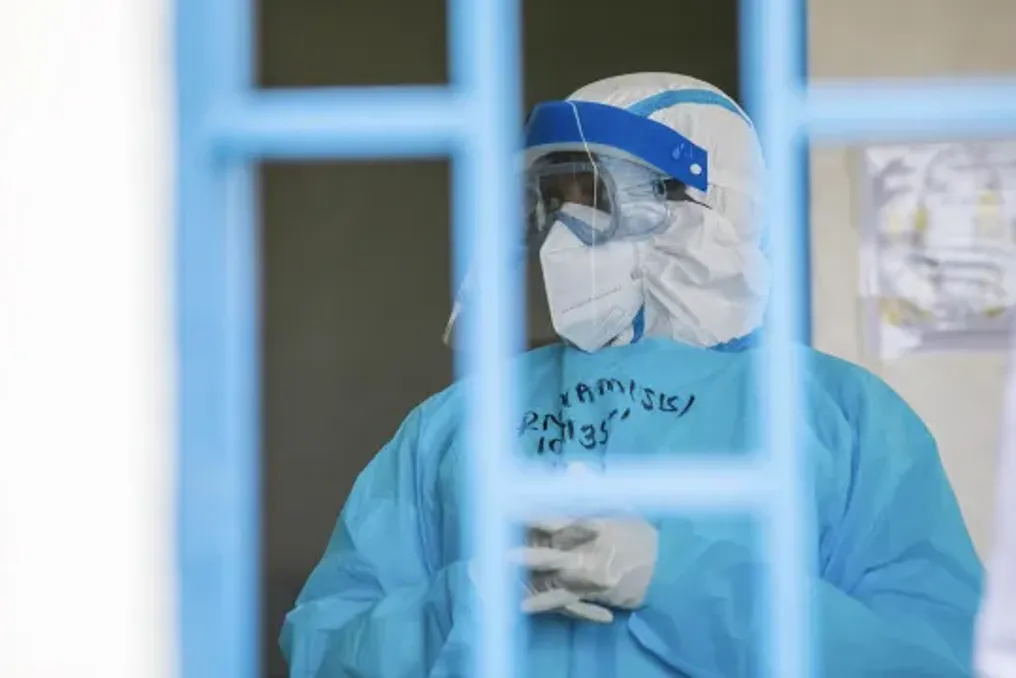
The latest official figures indicate 600 deaths due to Ebola, adding to a total of 1,759 confirmed cases since the start of the epidemic in the Democratic Republic of Congo (DRC). Additionally, two deaths were recorded in 20 confirmed cases in the neighboring country, Uganda.
Accelerated Spread of the Disease
The emergency chief of the African Centre for Disease Control and Prevention (Africa CDC), the health agency of the African Union, stated that the Ebola epidemic is spreading faster than any previous outbreak. Wessam Mankoula, the official, stated in a virtual press conference that they continue to face the Ebola epidemic with the fastest spread ever recorded, not only among Bundibugyo virus outbreaks but among all Ebola-causing viruses.
Mankoula emphasized that the virus is spreading faster than the response capacity and more rapidly than the resources mobilized to contain the situation.
New Hotspots Outside the Epicenter
There are suspicions of new cases outside the focal point declared in Ituri, dated May 15. The DRC government reported on Wednesday night suspected Ebola cases in provinces that were previously unaffected. According to the Congolese Ministry of Health, these cases were identified in the provinces of Tshopo and Haut-Uele, indicating the continuation of dissemination beyond Ituri.
The report mentioned two new suspected cases in Kisangani, in the province of Tshopo. One of these cases was related to the Nia-Nia health area in the province of Ituri, where the first cases were reported, while the second case showed no apparent geographical link to known outbreaks.
Context of the Health Crisis
The DRC has already experienced 17 Ebola epidemics and outbreaks, but currently, there is no vaccine or specific treatment for the Bundibugyo virus. The World Health Organization (WHO) issued an alert on May 19 regarding the 'scale and speed' of the spread in eastern DRC. Meanwhile, the non-governmental organization Médecins Sans Frontières (MSF) expressed concern in mid-June about the 'dangerous gaps' in the response, which was 'progressing faster than the response.'
This episode constitutes the third worst Ebola epidemic in history, surpassed only by the one in West Africa between 2014 and 2016, which resulted in about 11,000 deaths and 28,000 infections, and another that affected eastern DRC between 2018 and 2020, causing 2,299 deaths and 3,481 cases.
The Ebola virus is transmitted through direct contact with the body fluids of infected people or animals and causes severe hemorrhagic fever, vomiting, diarrhea, and internal bleeding.