Visa has announced the launch of its specialized platform, the Visa Threat Intelligence Platform (VTIP). This system is designed to enable financial institutions to promptly identify cyber threats, prevent fraud, and reduce financial losses.
Visa has announced the launch of its specialized platform, the Visa Threat Intelligence Platform (VTIP). This system is designed to enable financial institutions to promptly identify cyber threats, prevent fraud, and reduce financial losses.
VTIP utilizes advanced cybersecurity technologies that Visa itself employs to ensure the security of its global payment infrastructure. According to Visa, the vast majority of fraud cases are a result of earlier cyberattacks, such as data breaches, theft of payment credentials, or exploitation of system vulnerabilities.
These initial attacks can affect merchants, issuing banks, acquiring banks, processors, and service providers, providing attackers with stolen data to conduct unauthorized transactions.
Walter Lironi, Senior Vice President and Head of Additional Services at Visa in the CEMEA region, noted that combining threat intelligence and payment analytics into a single stream allows financial organizations to notice potential risks earlier and take precise measures before they turn into actual fraud.
The platform is built on Visa's proprietary cybersecurity tools, which monthly block approximately 90 million cyberattacks and 11 million phishing emails across more than 200 countries. Before entering the commercial market, VTIP underwent rigorous testing within Visa's own infrastructure against real threats.
The solution, created specifically for the financial sector, is intended for information security, risk management, and fraud prevention departments. It consolidates various data streams, allowing security teams to easily find connections between cybersecurity incidents and potential fraud outcomes.
VTIP includes several specialized modules: Threat Intelligence, which provides malware-based indicators of compromise tailored for financial systems; Vulnerability Intelligence, which helps detect active exploits and weaknesses in each organization's digital environment; Brand Intelligence, which signals unauthorized brand usage and impersonation attempts; Digital Identity Intelligence, which monitors executives and employees, protecting them from targeted spear-phishing or social engineering attacks; and Financial Intelligence, which scans the dark web for compromised payment credentials and enriches this data with VisaNet analytics to provide actionable leads to fraud prevention departments.
The company emphasizes that this proactive combination of cyber intelligence and transaction data gives financial institutions the ability to effectively forecast emerging threats, prioritize mitigation efforts, and reduce financial risks. Furthermore, Visa reported that over the past five years, it has invested more than $13 billion in developing secure digital payment technologies and reducing fraud levels. Moreover, the consulting firm Gartner rated Visa's overall cybersecurity program maturity level at 4.9 points, which is the highest score among industry competitors.
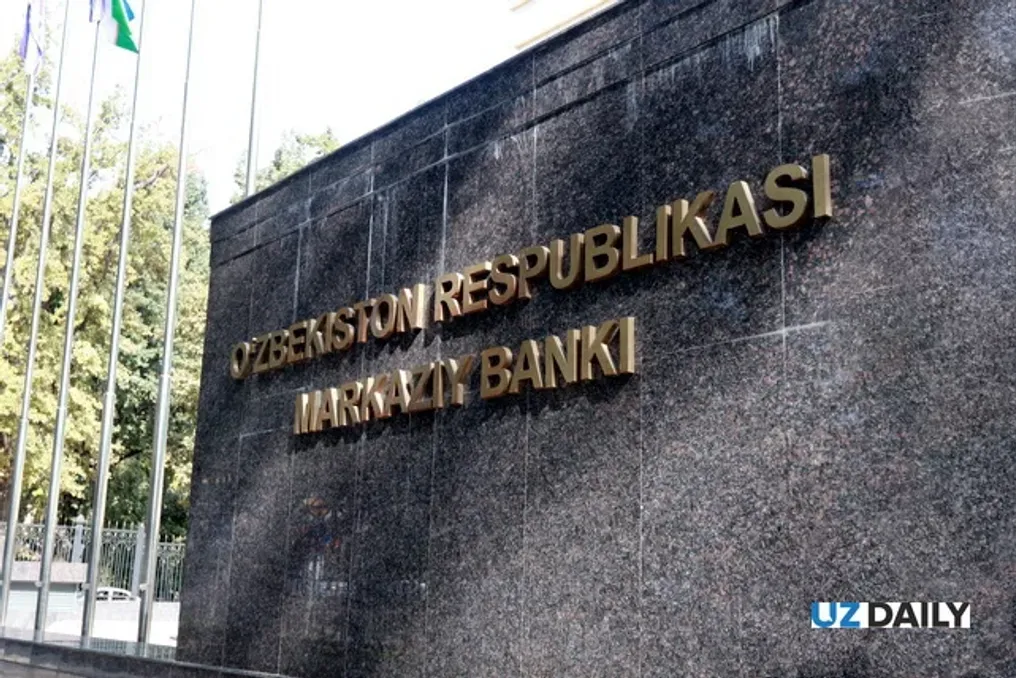
The Central Bank of Uzbekistan has included growing cyber risks in the list of major threats to the country's financial stability within its 2025 financial stability review.
According to the regulator's assessment, the accelerated digitalization of payment systems is accompanied by an increase in cyber incidents. Attacks, information security breaches, and data theft lead to increased operational losses for participants in the financial system and can undermine public trust in this system. The Central Bank views the loss of this trust as a primary channel of risk to financial stability.
Market participants share this concern. In a survey on systemic risks conducted among banks, cyberattacks were cited as one of the threats that could negatively affect the financial system of Uzbekistan. Other threats mentioned alongside cyberattacks include defaults by large borrowers, economic downturn, and climate risks.
Nevertheless, geopolitical factors (56% of responses), growing household debt burden (32%), and exchange rate volatility (31%) remain at the top of the threat ranking.
As a countermeasure, the Central Bank announced the implementation of an artificial intelligence-based monitoring system to track suspicious transactions and introduce restrictions on operations flagged as suspicious. The regulator expects participants in the financial system to continuously improve and maintain resilient information security systems.
A third aspect of the response measures focuses on increasing financial literacy. The Central Bank plans to intensify efforts to inform citizens about fraudulent schemes and cyberattacks, noting that a significant portion of citizen losses is related to social engineering methods rather than technical infrastructure failures.
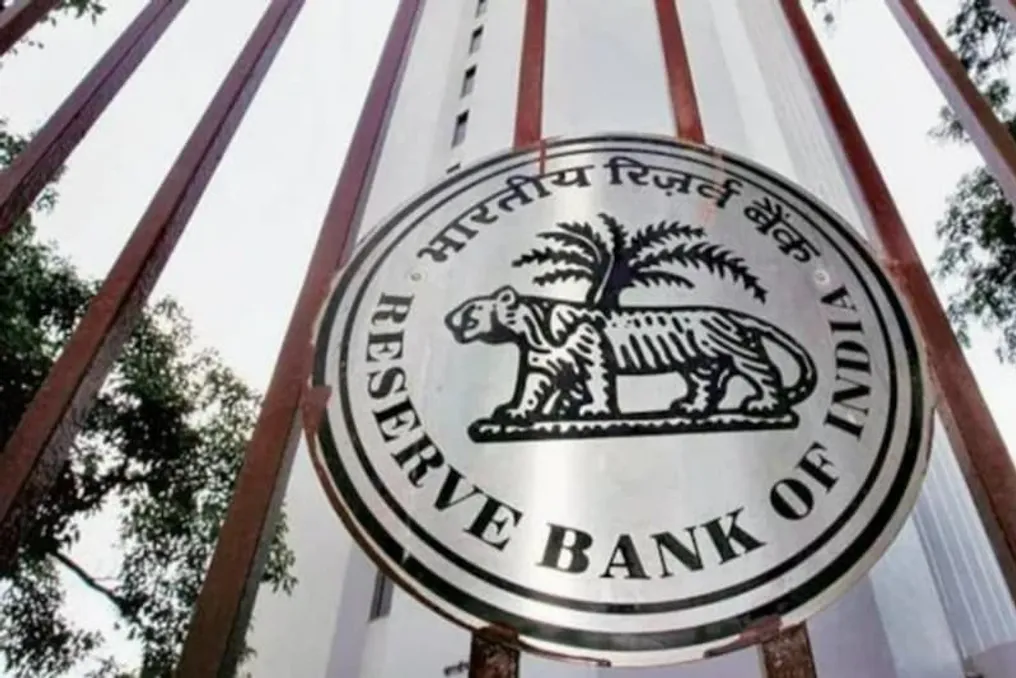
The Reserve Bank of India (RBI) stated before the Parliament's Standing Committee on Finance that Virtual Digital Assets (VDAs), such as cryptocurrencies, pose a threat to a developing economy like India and should not currently be granted legal recognition.
The central bank emphasized that these digital assets can be used to finance terrorism, drug smuggling, and other illicit activities. The RBI informed the committee that VDAs could create serious risks in a developing country like India.
The bank noted that there is a constant risk of financing terrorism, drug smuggling, and other illegal financial operations through cryptocurrencies. Furthermore, monitoring foreign (offshore) entities involved in crypto trading is extremely difficult. This creates significant problems for regulatory bodies, as effective control over such transactions becomes complex.
The discussion on 'Virtual Digital Assets (VDAs) and the Way Forward' took place during the meeting of the Standing Committee on Finance, chaired by MP Bhartrihari Mahtab of the Bharatiya Janata Party (BJP). Representatives from the RBI, as well as delegates from the Institute of Chartered Accountants of India (ICAI), were present at the meeting.
After the meeting, Chairman Bhartrihari Mahtab told journalists that the RBI does not support granting legal status to virtual digital assets in India. He also clarified that the committee is considering provisions related to VDAs within the tax legislation. In turn, the Institute of Chartered Accountants of India (ICAI) supported the creation of comprehensive VDA legislation. The Institute expressed its willingness to assist the government in developing a principle-based structure and necessary guidelines to make the rules clearer for investors and other stakeholders.