Apple launched the MacBook Neo, aiming to compete directly with Windows-running notebooks. Despite increasing its price by $100 to $699, the device remains 40% cheaper than other models in the MacBook line.
Apple launched the MacBook Neo, aiming to compete directly with Windows-running notebooks. Despite increasing its price by $100 to $699, the device remains 40% cheaper than other models in the MacBook line.
This launch represents the first significant challenge to Windows' dominance in four decades. The co-CEO of Asus classified this move as a 'shock to the entire industry.'
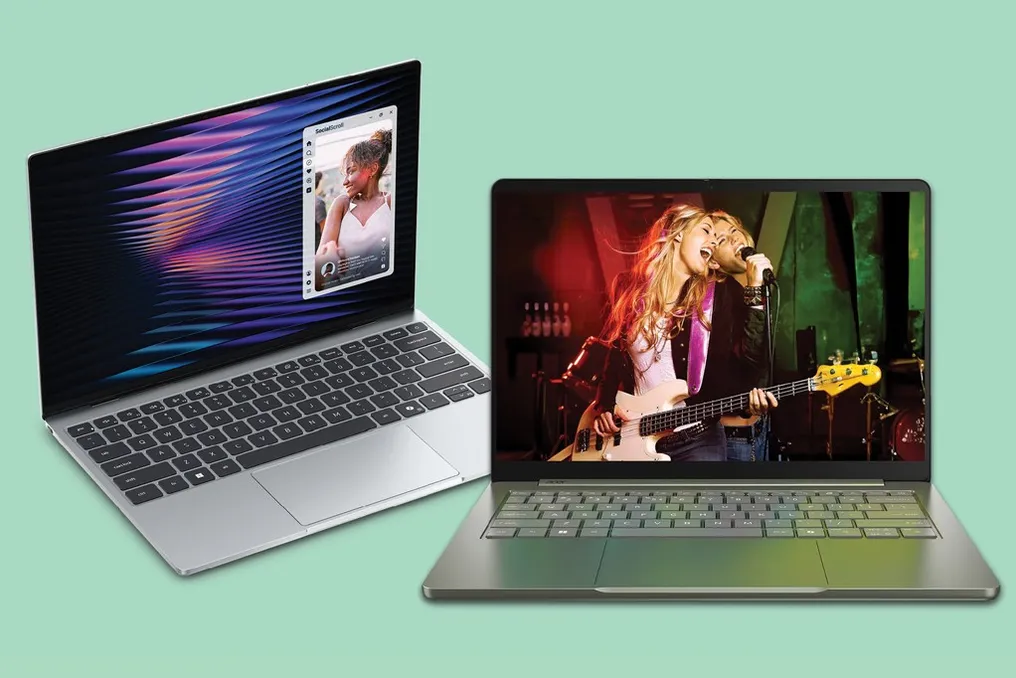
The PC market has already presented two alternatives to the MacBook Neo. The first is the Dell XPS 13, an affordable model launched in the United States for $699, despite using the XPS name, which is usually associated with more advanced notebooks from the American brand.
The XPS 13 shares the aluminum build with the MacBook Neo and offers several advantages, such as being lighter, having a backlit keyboard, featuring a slightly larger screen, and doubling the storage capacity compared to the basic Neo version (also priced at $699). Information is still awaited regarding the performance of the XPS 13 with 8GB of RAM, matching the Neo, and its battery life. Although the XPS 13 will be marketed in Brazil, its price has not yet been disclosed.
The second response comes from the Swift Air 14, produced by the Chinese manufacturer Acer. This model will be sold in the US for $699 and features a considerably larger screen than the Apple laptop, while maintaining a weight close to that of the Neo. Like the Neo, it is built from aluminum and will be available in various colors.
Apple may change its chip launch strategy for Macs, opting to introduce only the basic version of the M6 chip in 2026. This change would break the established launch cycle since the arrival of Apple Silicon in the brand's computers.
With this change, the 2026 chip schedule would be leaner, with professional versions returning only from 2027. The basic M6 chip is expected to be manufactured using a 2-nanometer process by TSMC, representing a significant advance over the 3-nanometer lithography of previous generations. Furthermore, the M6 will have an estimated memory bandwidth of around 200 GB/s, higher than the M5, and may feature 12-core GPU versions. In the short term, the M5 Ultra would be the main high-performance update, expected to equip a new version of the Mac Studio.