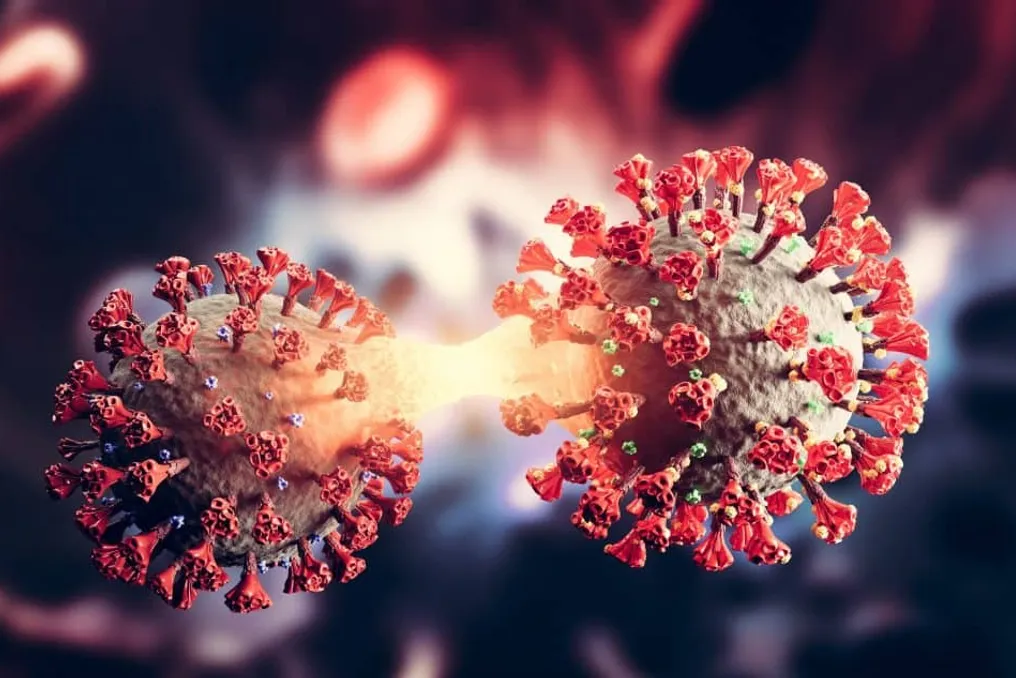
The National Health Surveillance Agency (Anvisa) issued a new regulatory instruction that requires manufacturers to modernize the composition of Covid-19 vaccines used in Brazilian territory. From this moment on, the immunizers must be monoclonal and adjusted to face the most recent variants of the coronavirus circulating.
This determination, formalized in regulatory instruction number 454 and published on page 113 of the Thursday (09) edition of the Official Gazette of the Union, aims to synchronize the population's immune protection with the genetic changes of SARS-CoV-2. The standard specifies that new batches must focus on the LP.8.1 strain or antigens from the JN.1 lineage, including variants such as XFG and NB.1.8.1.
The regulatory document also clarified that older vaccine stocks do not need to be discarded immediately, granting them a maximum usage period of up to nine months after the approval of the update carried out by each manufacturer.
The need for this continuous update mirrors the annual procedure applied to the flu vaccine. Due to the constant mutations of the Covid-19 virus, its structure changes, allowing it to partially evade defenses created by previous infections or outdated immunizers. Although reformulation does not mean that previous doses have lost their effectiveness, it ensures that the new doses provoke a more robust immune response.
To comply with this new directive, pharmaceutical companies responsible for the vaccines must submit a formal request for formula change to Anvisa. This process requires the presentation of detailed information about the production process, quality control of the modified immunizer, results of specific laboratory tests, and, if applicable, new clinical data on safety and efficacy.
The regulatory agency communicated that it will expedite the evaluation of these requests, using international parameters and taking into account the accumulated safety history of each vaccine platform. Since this is an adjustment to an already widely tested and validated technology, the release process for the renewed versions occurs more swiftly, dispensing with the complete repetition of testing stages.
With this decision, Brazil reinforces its model of genomic surveillance and continuous immunization, even after the most critical phase of the Covid pandemic. Instead of developing a completely new product with each outbreak, industry and diagnostic medicine adapt existing tools in real time. The ultimate goal is to ensure that both the Unified Health System (SUS) and the private network provide current and efficient compounds against current threats.