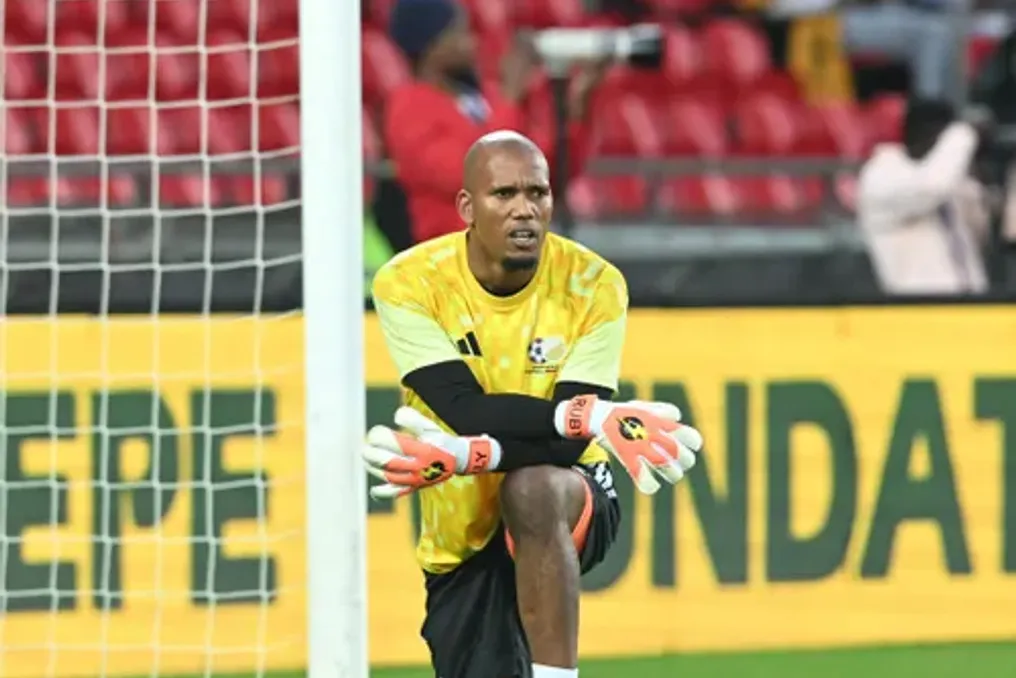
When Siwelele FC entered the Betway Premiership, it inherited not only top-division status but also the legacy, expectations, and the player roster of SuperSport United after the club's acquisition.
The first season and goals
For most of its debut season, Siwelele functioned as an extension of the Matsatsantsa team. The squad consisted mainly of former SuperSport United players who had experience competing at the highest level of South African football; however, this formation survived the club's relegation in the final days of its existence.
This experience proved useful. Head coach Lekhlokhonolo Seema openly stated his priorities last season: the primary task was avoiding relegation. For a newly formed club entering the Premiership under a new identity, preventing relegation became the foundation for everything else.
Siwelele achieved this goal. Now the club appears ready for the next stage of its development.
Scale of changes in the squad
The departure of 23 players represents one of the most significant squad overhauls in recent South African football, but context is important. It is not necessarily a sign of panic, but rather a calculated attempt to move away from the SuperSport United model and create a team that reflects Siwelele's own aspirations.
Nevertheless, there is the task of ensuring that this restructuring does not lead to a collapse. A delicate balance must be struck between respecting the players who helped secure a place in the top division and acknowledging that the next level demands different qualities. Survival football and the fight for high positions in the Betway Premiership require different profiles, and Seema likely has a clearer idea now of what his team needs.
Challenges and future strategy
The question is whether the club can successfully replace the lost experience. Former SuperSport players brought an understanding of Premiership football: they knew the intensity, travel requirements, and pressure of playing at this level. New players will need time to adapt, and this period could prove costly if expectations rise too quickly.
This is where Siwelele's recruitment strategy becomes critically important. Successful restructuring cannot be judged solely by the number of incoming players; it should be assessed by whether these players fit a clear football philosophy and can help the club move beyond mere survival.
There are examples in football where clubs have benefited from starting with a new identity. However, such overhauls require patience, strong leadership, and a clear vision from the technical staff. Seema has earned the opportunity to build this squad after completing the first task.
Keeping Siwelele in the Premiership was a difficult entry; now the club faces a more complex task—building a competitive team. The club's fans naturally expect progress after the excitement of professional football returning under the name Siwelele. But the reality is that sustainable success cannot be rushed. The twenty-three departures should not automatically be perceived as a warning sign; they may be necessary steps toward building a stronger identity. Nevertheless, the pressure now shifts to the replacement players. Siwelele has moved beyond being a follower of SuperSport United; the next season will determine if they have become a truly independent club.