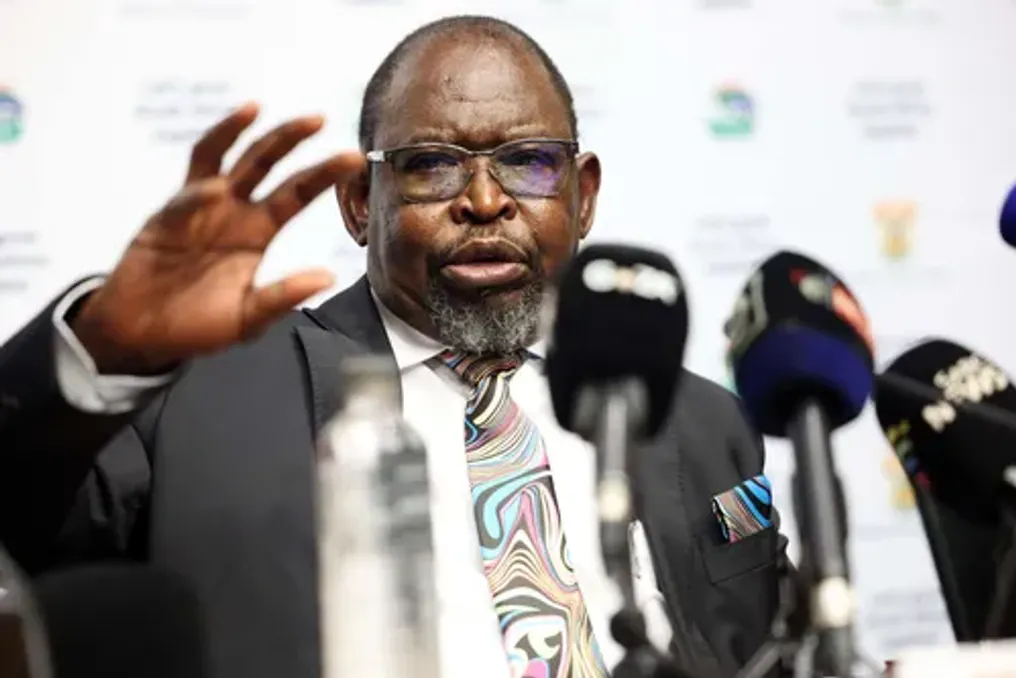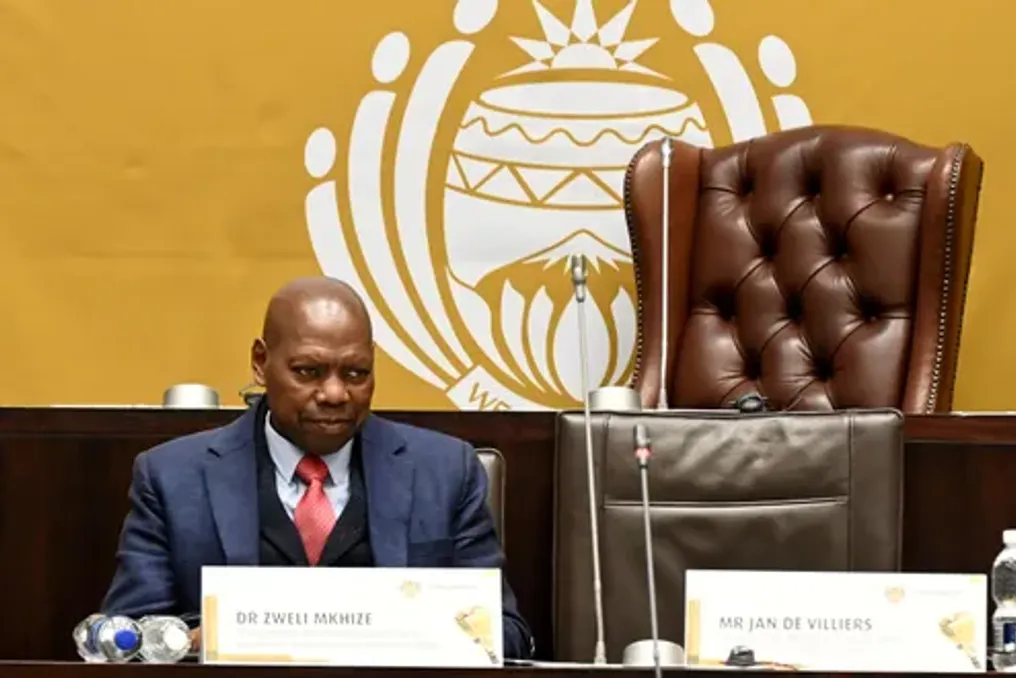
The Chairperson of the Committee on Cooperative Governance and Traditional Affairs, Dr Zveli Mkhize, emphasized that the National Treasury's decision to freeze R13.5 billion in equal share transfers to 69 municipalities that committed irregularities cannot be viewed in isolation from other issues identified during oversight activities.
Context of the Treasury's Decision
Dr Mkhize addressed the press during a briefing by the Parliamentary Cluster Oversight Committees on Thursday. He covered the results of the national audit for 2024/25 and joint monitoring of financial and management difficulties in municipalities. The Committee welcomes the Treasury's intention to suspend equal share transfers to municipalities that failed to comply with financial norms and other financial management directives.
He urged the affected municipalities to 'expeditiously meet the Treasury's conditions' so that funds can be released and communities do not face additional difficulties due to management and financial breakdowns. These conditions relate to compliance with legislation, having credible action plans to eliminate unauthorized, irregular, fruitless, and wasteful expenditure, and applying consequences for financial and management violations.
Broader Picture of Accountability
Mkhize noted that this decision cannot be viewed in isolation as it is part of a broader picture of accountability long raised by Parliament, the Auditor-General, the Treasury, CoGTA, provincial governments, and other institutions. Many municipalities affected by the Treasury's decisions have already undergone oversight by CoGTA committees, the Standing Committee on Public Accounts, and the Standing Committee on the Auditor-General for joint monitoring.
According to Mkhize, the problems reflected in the Treasury's interventions align with those repeatedly identified in audit results and oversight activities. These include unfunded budgets, weak controls, procurement irregularities, low revenue collection, high water and electricity losses, irregular spending, and lack of sanctions for proven misconduct.
Municipal Audit Results
He also commented on the consolidated general report on local government audit outcomes for 2024/25, presented by the Auditor-General (AG). The report confirms some progress but also demonstrates the extent of remaining challenges for government transformation. The Committee is pleased with the reduction in qualified audit opinions. The number of such opinions decreased to eight in 2024/25 compared to 29 in 2020/21, indicating progress, as a qualified opinion is the worst audit outcome, meaning the AG could not obtain sufficient reliable evidence of the use of public funds.
Mkhize also positively assessed the 98% rate of timely submission of annual financial reports, stressing that timely submission is not just an administrative obligation but a critical step towards accountability that cannot be ignored.
Persistent Serious Challenges
Despite improvement in 72 municipalities since the 2020/21 financial year, Mkhize insists on an honest acknowledgment of persistent serious problems. For instance, 145 municipalities, representing 57% of the country's municipalities, maintain the same audit result as in 2020/21. Only 39 municipalities received an unqualified audit, indicating that effective and good governance remains the exception, not the rule.
The Committee is particularly concerned about the regression of 38 municipalities since 2020/21, including those that provide a significant portion of the local government budget. None of the eight metros received an unqualified audit in 2024/25, and the number of metros with a qualified opinion increased from two to five. This seriousness cannot be understated, as metros manage large budgets in billions of rand and serve millions of people.
Overall Responsibility for Failures
In Dr Zveli Mkhize's view, municipal failures are rarely isolated incidents; rather, they are failures across the entire chain of accountability. When metros face management and financial problems, local communities suffer from deteriorating road conditions, potholes, poor waste collection, disruptions in infrastructure projects, and unreliable water and electricity supply.
While individual municipalities may fail to implement proper financial control, provincial governments have a constitutional duty to intervene and provide support. Responsibility is distributed among numerous structures, including national and provincial treasuries responsible for financial oversight, municipal councils, mayors, managers, public accounts and audit committees, and disciplinary councils.
Mkhize specifically stressed that political leaders at all levels must recognize that poor audit results directly reflect their own leadership and cannot be explained solely by administrative matters or incompetence of financial departments and chief financial officers. Therefore, the recent actions of the National Treasury are closely linked to Parliament's broader oversight mandate. He added that they will continue to monitor compliance with the conditions set for the affected municipalities to protect communities.