
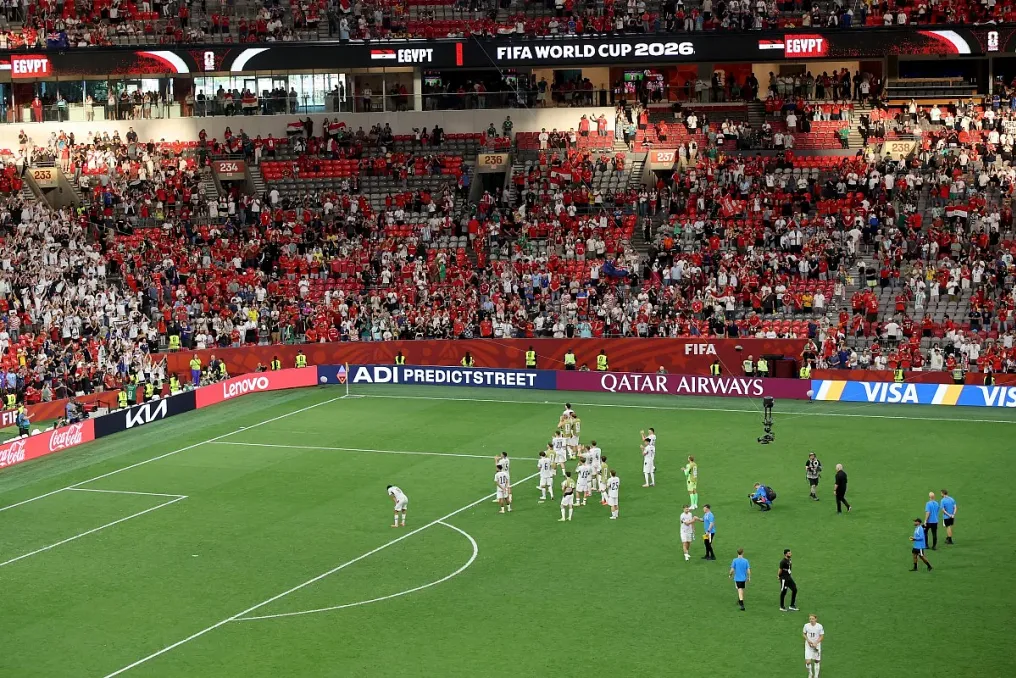
According to a new study by the recruitment firm Robert Walters, one in nine expatriates in the United Arab Emirates (UAE) intends to take sick leave after watching their national team's matches during the 2026 FIFA World Cup. This is because the late-night match starts call into question the usual work schedule across the country.
Work Schedule Planning
The study revealed that 11 percent of professional expats expect to take sick leave after national team games, while 34 percent prefer to work remotely. Since the World Cup is taking place in the United States, Canada, and Mexico, many matches are held in early morning hours according to Gulf Standard Time.
For example, the recent match between England and Mexico started at 4 am GST, leaving many fans sleep-deprived before the start of the workday.
Impact of Sporting Events on Business
This research indicates that employers are increasingly recognizing the impact of major global sporting events on employee well-being and productivity. According to the survey, 37 percent of specialists stated that flexible working conditions during the tournament would improve their attitude towards their employer.
A positive point is that two out of five employers reported having already approved flexible schedules or remote work options around key World Cup matches.
Expert Opinion on Flexibility
Jason Grandi, Managing Director of Robert Walters Middle East, noted that temporary workplace flexibility can help organizations maintain productivity while caring for staff well-being. Grandi emphasized that implementing temporary flexible formats, such as hybrid work or later start times during major matches, allows employees to better balance work and personal commitments.
He added that this also contributes to creating a more consistent approach to flexible scheduling, reduces informal requests, and helps companies maintain business continuity and productivity. Grandi also believes that even employees who are not highly interested in football can benefit from greater flexibility, which will positively affect team morale and long-term employee loyalty.
Robert Walters concluded that the findings demonstrate the growing influence of global sporting events on corporate policy, and expects employers to face similar challenges next year when Australia hosts the Rugby World Cup.