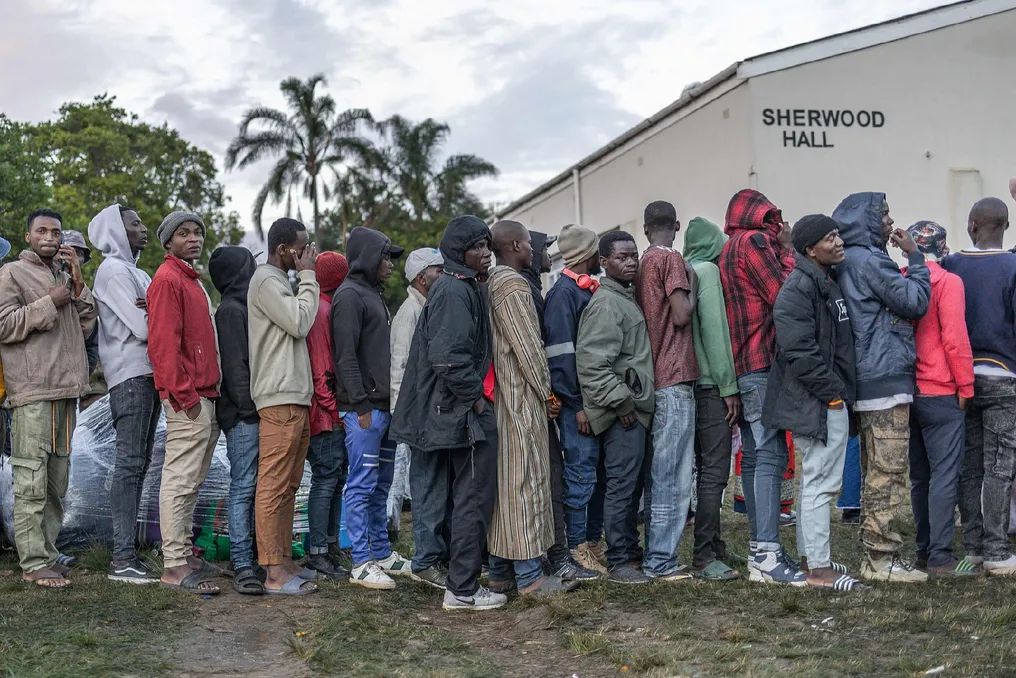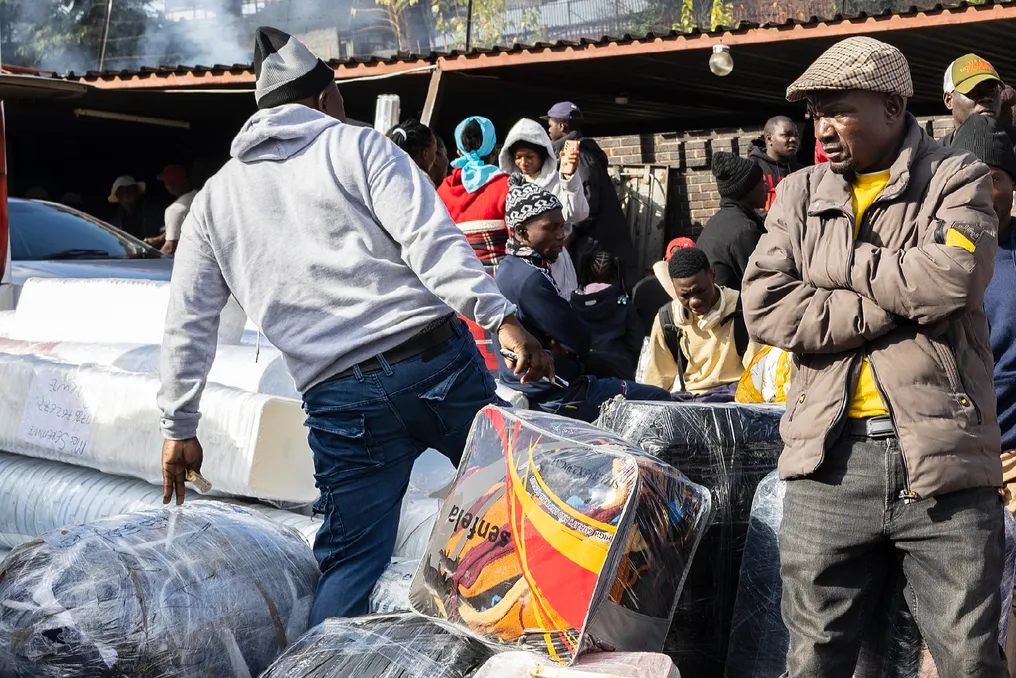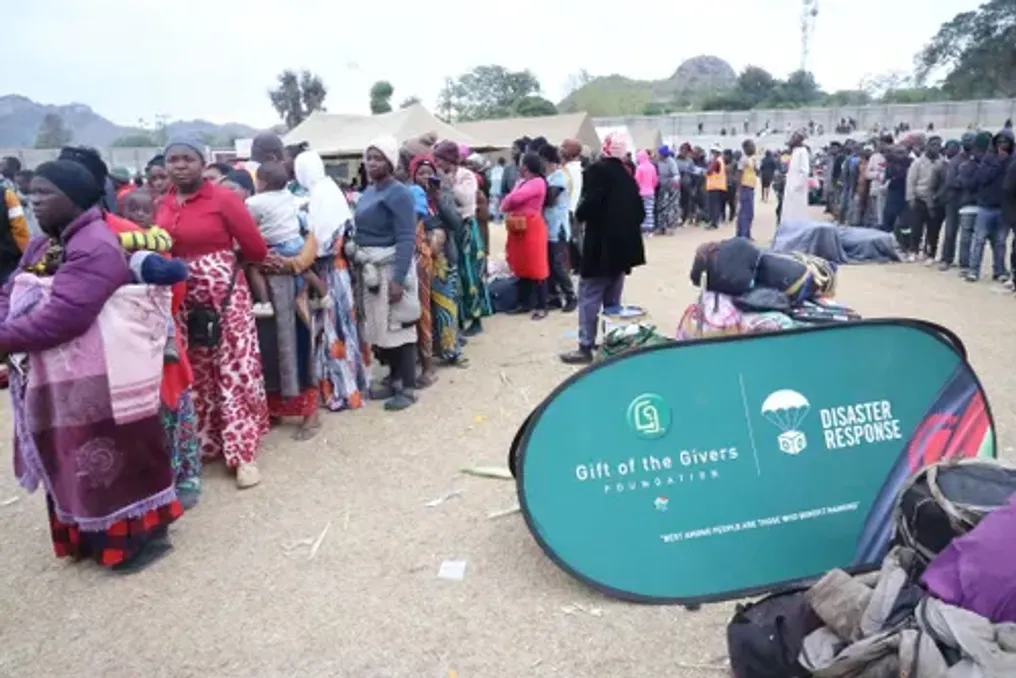
Humanitarian efforts are facilitating the return of Malawian citizens who fled South Africa due to threats of violence. Thousands of these people are welcomed back home with food, clean drinking water, and clothing thanks to the ongoing humanitarian work of the organization Gift of the Givers.
Scale of Return and Aid
The humanitarian organization reported that 36,240 Malawian citizens have safely returned home. Aid teams are providing necessary supplies to ease the transition for these individuals, many of whom described their experience as traumatic.
Representatives of the organization stated that from the beginning, their teams provided critical support, ensuring that arrivals received food, clean water, and clothing. This continuous humanitarian mission has touched thousands of lives.
Continuation of the Mission
Gift of the Givers Malawi confirmed that its operations continue as new people arrive in the country. Humanitarian groups remain on site to provide immediate assistance and comfort. The mission is not slowing down: volunteers distributed vital supplies to hundreds of other returnees the day before, while families began rebuilding their lives.
The organization reaffirmed its commitment to humanitarian response, stating: 'We remain committed—we stand strong with every returning Malawian until the last person is safely home.'
Support En Route and Upon Arrival
The group provided each returnee with food and other necessities to ensure a comfortable and dignified journey. What could have been a difficult and distressing migration was transformed into a safe and humane journey home by Gift of the Givers.
Upon arrival, the organization's team in Malawi met the returnees and offered them hot meals as they prepared to begin rebuilding their lives.
Beneficiaries' Gratitude
Speaking on behalf of the aid recipients, Veronica Kafantengo thanked the humanitarian organization for its support, noting that without this help, something terrible could have happened.
Another returnee, Peter Jimmy, echoed these words, saying that the help came in time, and the care and support gave him strength and hope, and he would never forget the deeds of Gift of the Givers.