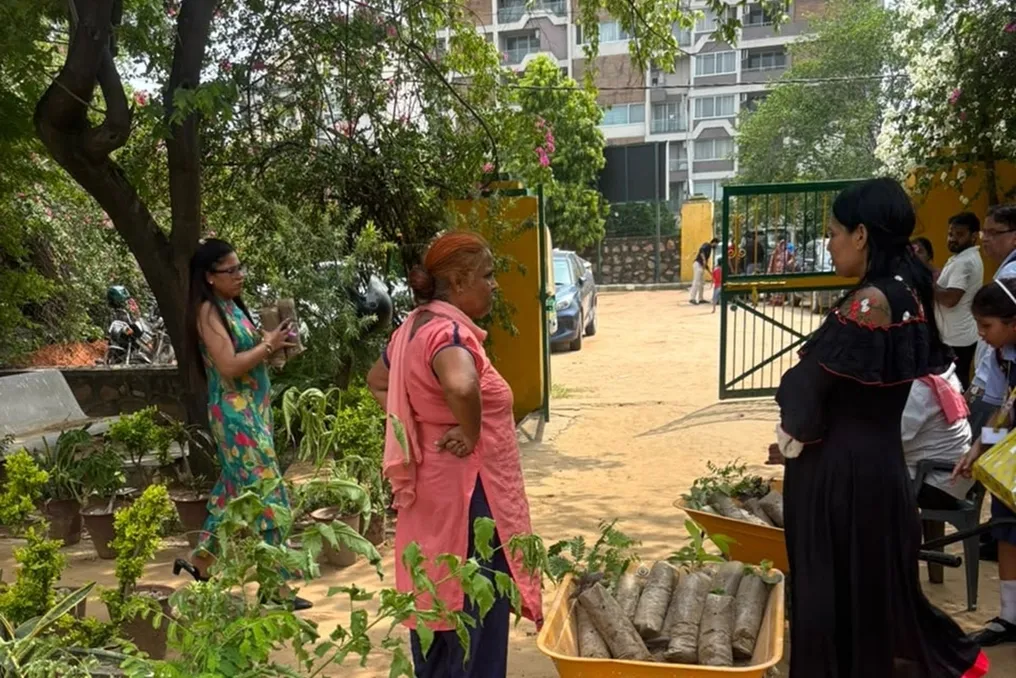
To green the region during the monsoon season and support the 'Hariyalo Rajasthan' initiative, the Government of Rajasthan is providing saplings at very affordable prices in government nurseries. The initial cost of plants is only 5-6 rupees, and most varieties are sold for up to 10 rupees.
Assortment and Program Goal
Prices are determined based on the type of plant. The nurseries have about 50-60 different varieties available, including shade trees, ornamental and flowering plants, as well as medicinal and Nilgiri species. The goal of this state promotion is to encourage as many people as possible to plant trees and increase greenery in the region.
Buyer Feedback and Advantages
There is currently a significant influx of buyers at the government nurseries. People are purchasing not just one, but dozens of plants at once. Some buy saplings to decorate their homes and gardens, while others use them for planting in offices, institutions, or public areas. Buyers come to the nurseries with a pre-compiled list of the plants they need.
Users note that the same plants cost between 100 and 150 rupees in private nurseries, whereas in government nurseries, they are available at a significantly lower price while maintaining good quality. Since the monsoon period is considered the most suitable time for planting, further increases in visitor numbers are expected as the rains intensify.
Online Booking Option
To simplify the entire process, the government has launched an online plant booking service. Interested buyers can select the desired plants and quantities via the internet and make the payment. After placing an order, buyers are given 15 days to receive the saplings by presenting the receipt at the relevant government nursery. This feature allows people to avoid frequent visits to the nursery and receive plants at their convenience. This government initiative not only contributes to environmental protection but also strengthens the 'Hariyalo Rajasthan' campaign by making quality saplings accessible to all segments of the population at minimal cost.